

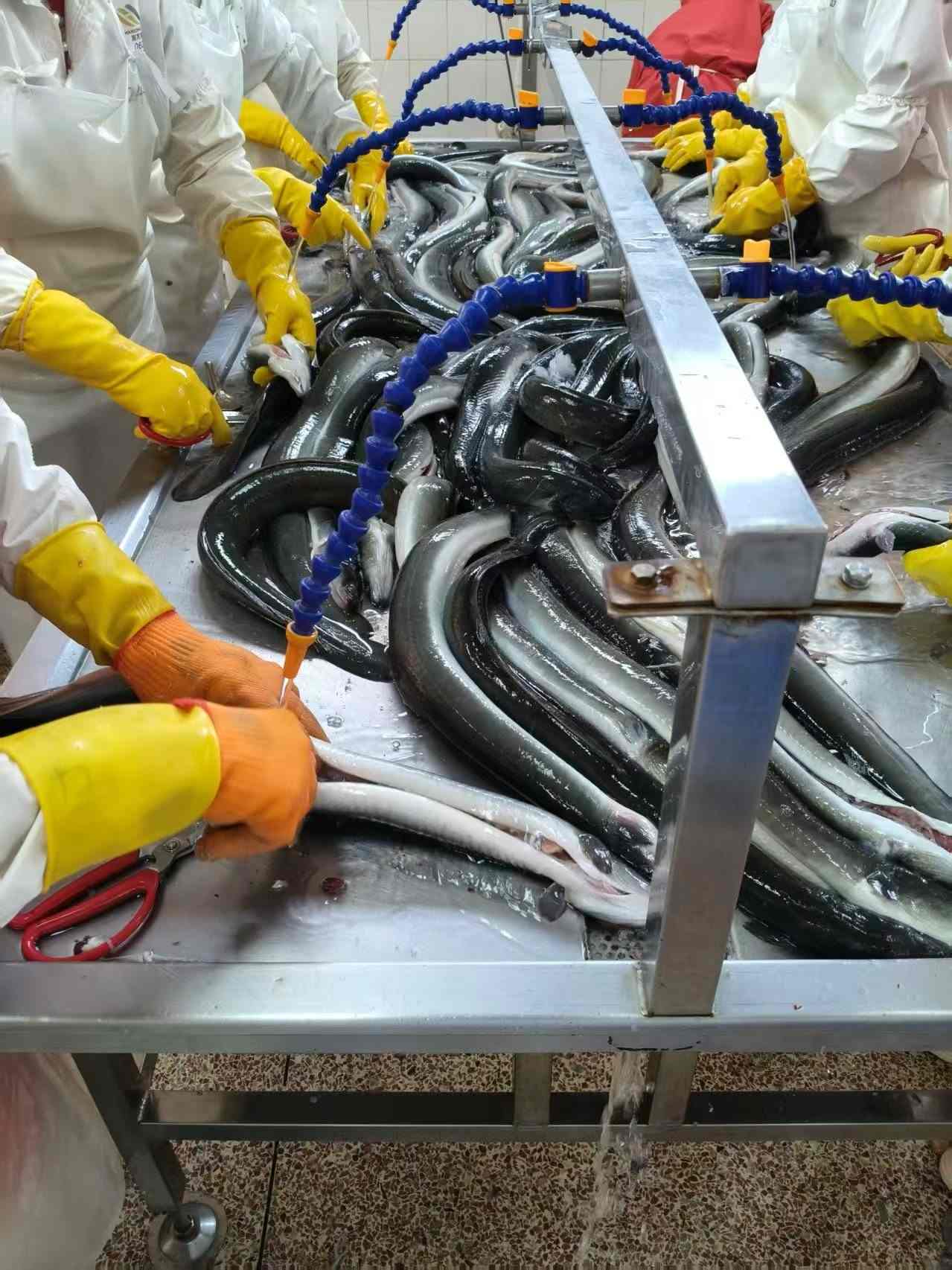
Balancing Eels Soup Broth for Korean Heat or Italian Comfort
What actually happens if you drop tomato into a gochujang-based eels soup, or swap chili oil for olive oil halfway through simmering? The eel breaks down faster than most cooks expect. Get the acid or the spice ratio wrong, and you end up with mushy fillets or a broth that fights the fish instead of supporting it. This matters most to menu planners deciding which regional style — Korean spicy or Italian herb-forward — fits their kitchen and their supply chain.
Why the Broth Style Decision Comes Before the Recipe
Most kitchens pick a recipe first and a sourcing plan second. That's backwards for eel. Fat content, skin thickness, and pre-cut format all change how a fillet behaves in different broths. A Korean-style broth built around gochujang and doenjang needs a fattier cut that can stand up to long simmering. An Italian eel-and-vegetable soup, built on tomato and white wine, works better with leaner, pre-deboned pieces that won't fall apart in acid. Choosing the broth style first tells you what cut, what packaging format, and what supplier spec you actually need.
Comparison: Korean Spicy Eels Soup vs Italian Eel-and-Vegetable Soup
Here's a direct side-by-side of the two styles, covering broth base, vegetables, seasoning, and how each treats the eel itself.
| Parameter | Korean Spicy Eels Soup (Maeuntang-style) | Italian Eel-and-Vegetable Soup |
|---|---|---|
| Broth base | Anchovy or bone stock + gochujang/gochugaru | Tomato + white wine + olive oil, sometimes fish stock |
| Core vegetables | Radish, scallion, crown daisy, napa cabbage | Celery, carrot, onion (soffritto), tomato, fennel |
| Seasoning | Doenjang, garlic, ginger, chili flakes, soy sauce | Bay leaf, parsley, black pepper, lemon zest |
| Spice level | Medium to high, sharp heat upfront | Low, herbal warmth instead of heat |
| Broth texture | Thin, brothy, boiled hard for 15-20 minutes | Slightly thicker, simmered low for 25-30 minutes |
| Best eel cut | Chunk-cut or bone-in sections for body | Boneless strip-cut or diced for even cooking |
What Each Broth Parameter Actually Controls
A recipe card tells you ratios. It rarely tells you what happens when you get them wrong. Here's the practical breakdown.
Acid Level (Tomato or Wine)
Acid tenderizes eel skin fast. In Italian-style soups, keeping the tomato-to-stock ratio around 1:2 by volume protects the fillet structure during a 25-30 minute simmer. Push acid higher and the collagen in eel skin dissolves too fast, leaving shredded fibers instead of clean pieces. This is why boneless, pre-cut eel — not bone-in — suits acid-forward broths.
Chili and Fermented Paste Concentration
Gochujang and gochugaru don't just add heat, they add sugar and starch that thicken the broth as it reduces. Too much, and the broth turns syrupy, masking the eel's natural richness — the same richness that comes through in a well-roasted unagi kabayaki. A working range is 2-3 tablespoons of gochujang per liter of stock for a balanced maeuntang-style broth.
Fat Content of the Eel Itself
Fattier cuts survive long, hot Korean-style boiling better than lean cuts, which can dry out and toughen. This is one reason low-fat processing matters upstream — eel roasted with a controlled fat-reduction step behaves more predictably across both spicy and mild broths, since excess oil isn't clouding the stock or separating out during reheating.
Simmer Time and Bone Presence
Bone-in chunk cuts need the full 15-20 minute boil typical of Korean maeuntang to release collagen into the broth. Boneless strip or dice cuts, common in Italian preparations, only need 8-10 minutes — any longer and they overcook and separate.
Step-by-Step: Building a Balanced Eels Soup Broth
- Pick your base first. Anchovy/bone stock for Korean; tomato/wine stock for Italian. Don't mix bases mid-recipe.
- Match the eel cut to the cook time. Bone-in or chunk-cut for 15+ minute boils, boneless strip or dice for shorter 8-10 minute simmers.
- Add aromatics before the eel, not after. Garlic, ginger, or soffritto need 3-4 minutes to release oils before the fish goes in.
- Season the eel separately if using tare. A light brush of eel sauce before adding to broth reinforces umami without overwhelming the base — this trick works in both styles.
- Simmer, don't boil, once the eel is in. A rolling boil breaks down delicate flesh faster than a steady simmer at 90-95°C.
- Taste and adjust acid or heat last. Both chili paste and tomato concentrate as they reduce, so under-season early and correct at the end.
Common Mistakes When Balancing Eel Soup Broth
- Using the wrong cut for the cook time — boneless dice in a 20-minute Korean boil turns to mush.
- Adding chili paste and tomato in the same pot — the flavors compete instead of layering, and neither the umami from soy or fish stock nor the acidity from tomato comes through clean.
- Skipping the pre-broil or pre-roast step — raw frozen eel added directly to broth releases excess moisture and dilutes seasoning.
- Over-salting before reduction — broths concentrate as they cook down, so early over-salting is hard to correct later.
- Ignoring fat content of the eel — high-fat cuts in a light Italian broth can leave an oily film on top; leaner cuts suit that style better.
Choosing the Right Eel Cut and Supply for Your Broth Style
Sourcing decisions should follow the broth, not the other way around. A quick decision checklist for menu planners:
- Building a Korean-style spicy broth? Look for bone-in or chunk-cut frozen eel that holds shape through a hard 15-20 minute boil.
- Building an Italian-style tomato broth? Boneless strip-cut or diced eel reduces prep labor and avoids bone fragments in a lighter, acid-forward stock.
- Running both menus? A supplier offering multiple cutting specs — shredding, dicing, strip-cutting, chunk-cutting — under one order saves separate sourcing runs.
- Need consistent fat content across batches? Ask whether the roasting process controls oil levels; this affects how the eel behaves in both light and heavy broths.
Eelpro's two production lines cover frozen roasted eel and deep-processed aquatic products, with a combined annual capacity of 4,000 tons, so kitchens running both Korean and Italian eel soups can source varied cuts from one supplier instead of splitting orders. Products are processed under an ISO 22000:2018 and HACCP-certified system, with a HALAL certification and an SC food production license (No. SC11135062401122) covering quick-frozen prepared foods. Traceability runs from roughly 20 customs-registered eel farming bases covering 2,150 mu through processing, sampling, and shipment, which matters for buyers supplying Japan, the US, Germany, Poland, and other EU markets where veterinary drug residue standards are strict.
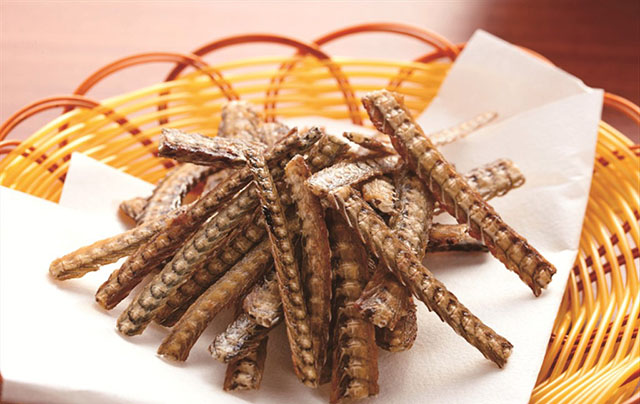
For kitchens experimenting with cutting specs before committing to a full order, our eel farm network and in-house eel lab support consistent raw material quality batch to batch, which keeps broth results repeatable across production runs — something that matters more than most recipe cards mention when scaling from a home pot to a commercial stockpot.
A Quick Cold-Knowledge Note on Storage
Frozen eel destined for soup should move from -18°C storage straight into the broth prep line, not thawed and refrozen. Repeated thaw cycles break down the same collagen structure that acid and long boiling already stress, compounding texture loss. A 1,000-ton cold storage facility with steady cold-chain handling reduces this risk before the eel even reaches the kitchen.
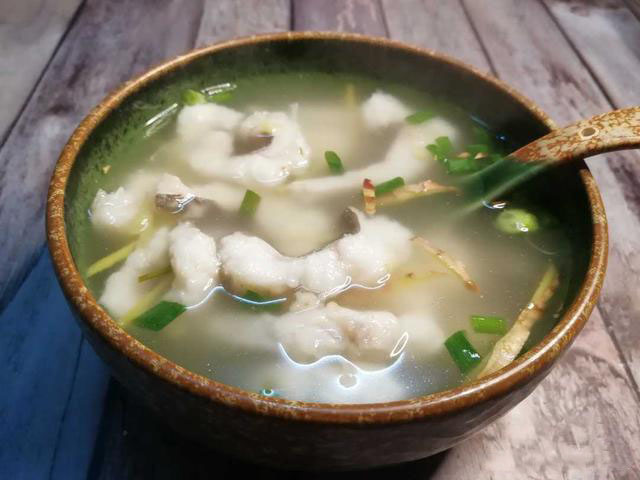
Whether you're testing a Korean-style maeuntang or an Italian eel-and-vegetable soup for a new menu, the cut, fat level, and cold-chain handling of the eel decide more of the outcome than the broth recipe itself. For deeper flavor pairing ideas across regional styles, our eel recipes by region guide breaks down more combinations worth testing before you finalize a menu.
If you're comparing cutting specs or need a sample batch to test broth behavior before placing a bulk order, reach out for a quote or a spec sheet — we're happy to walk through which cut suits your broth style.