

How to Balance Unagi Roll Ingredients for Superior Flavor
One of the most common challenges in creating a premium unagi maki roll is not the quality of the eel itself, but the balance of its supporting ingredients. Too much avocado can turn the roll into a heavy, indistinct mash. Too little cucumber fails to provide the necessary crispness to cut through the rich, savory glaze. As a food safety and quality specialist, I've seen countless foodservice clients in Japan and the US struggle to standardize their recipes, leading to inconsistent customer experiences. The key is in understanding the function of each component and using precise proportions.
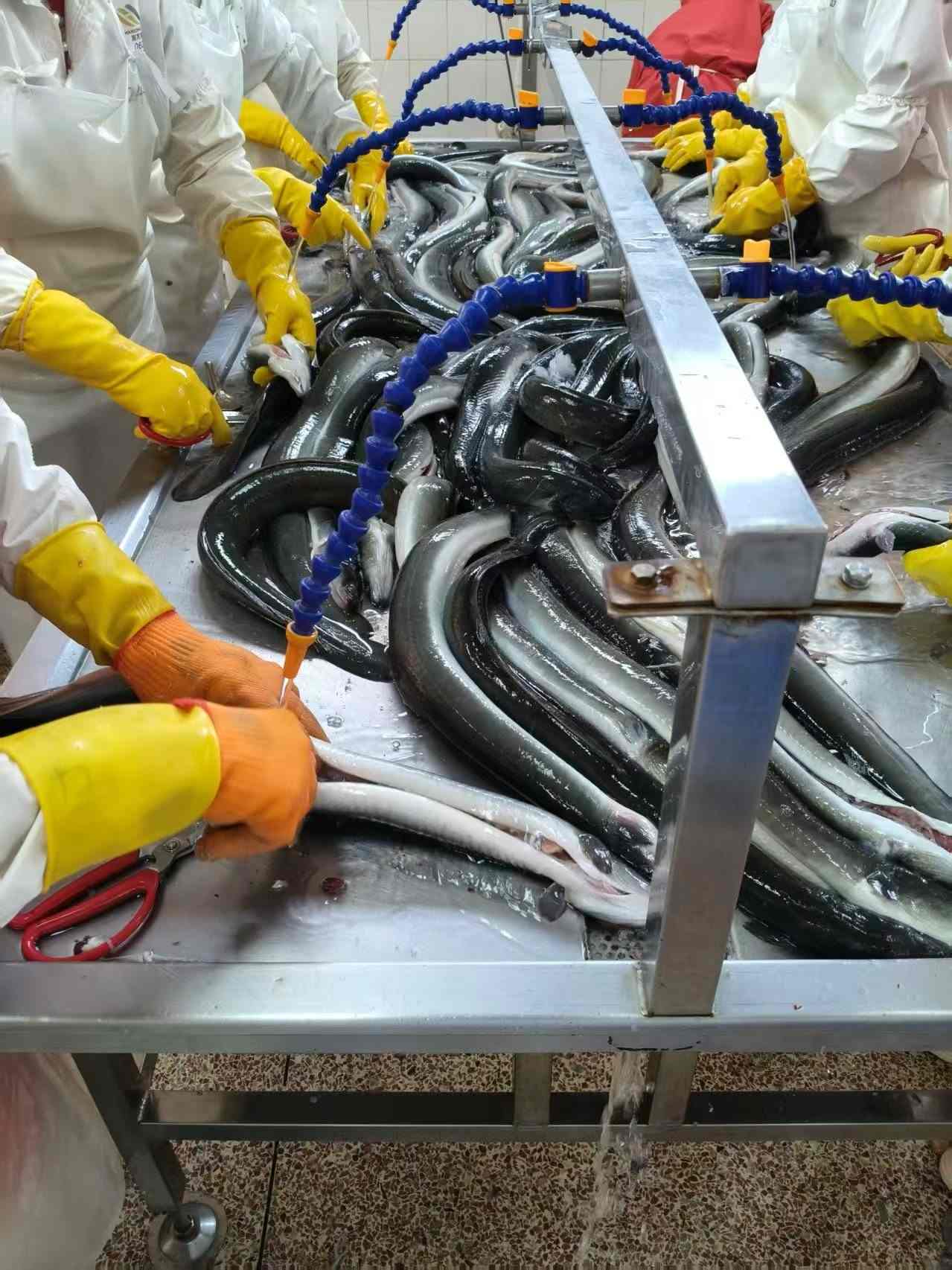
Getting the core unagi roll ingredients right starts with a consistent, high-quality foundation. A perfectly roasted eel should have a firm yet tender texture and a glaze that is sweet and savory without being cloying. This allows complementary flavors to enhance the roll, not just mask imperfections in the main protein. At Eelpro, our entire process is designed to deliver this consistency, from our ~20 customs-registered eel farms to our patented low-fat roasting technology.
The Foundation: Why High-Quality Unagi Kabayaki Matters
Before balancing other fillings, you must secure a reliable source of unagi. The texture, flavor profile, and cut of the eel dictate the entire character of the roll. Inconsistent eel leads to an unstable final product, forcing chefs to constantly adjust other ingredients to compensate for variations in sweetness, saltiness, or fat content. This is inefficient and costly for any large-scale operation.
A superior unagi kabayaki eel product for foodservice should meet several key criteria:
- Full-Chain Traceability: Knowing the origin of your raw materials is non-negotiable for meeting import standards in markets like the EU and US. Our supply chain is fully traceable, from our 2,150 mu of registered farming bases through processing, with targeted sampling managed by our in-house professional laboratory. This minimizes risks related to veterinary drug residues and microbiological contaminants.
- Consistent Processing: Our patented deodorizing equipment and a precise 4-layer soy sauce coating process ensure every piece has the same flavor profile. We've established internal color standards for both 'white-roasted' and finished kabayaki products, which our 25 quality-control specialists enforce. This means the eel you receive in March will taste the same as the eel you receive in October.
- Optimized for Kitchens: Our products are deboned and can be cut to custom specifications (shreds, slices, chunks). This ready-to-heat format significantly reduces back-of-house labor, saving time and money for busy restaurant chains.
By starting with a standardized, high-quality eel, you create a predictable canvas. This empowers you to build a balanced and repeatable recipe that delights customers every time, a strategy we've seen succeed with our long-term restaurant chain partners in Japan and foodservice importers in Australia.
Balancing Richness: A Proportional Guide to Classic Fillings
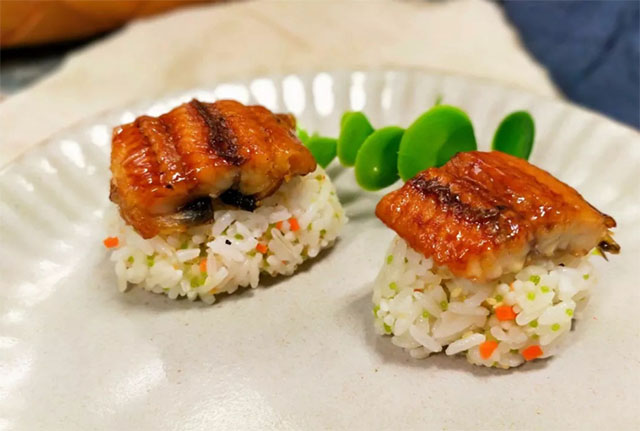
The rich, fatty, and sweet-savory profile of unagi kabayaki requires contrast. The goal is to use other ingredients to provide freshness, texture, and acidity that cut through the richness without overpowering the delicate eel flavor. Here is a breakdown of how to balance the most common unagi roll ingredients.
This guide assumes a standard maki roll using one strip of unagi (approx. 20-25 grams).
| Ingredient | Optimal Quantity & Prep | Purpose & Rationale | Common Mistake |
|---|---|---|---|
| Cucumber | 2-3 thin matchsticks (julienned), about 10-15g. Must be deseeded. | Provides: Crisp texture and clean, watery freshness. Why: The crunch offers a necessary textural contrast to the soft eel and rice. The high water content cleanses the palate from the rich eel sauce. Deseeding prevents the roll from becoming watery. |
Using thick, seeded slices. This makes the roll soggy and the cucumber flavor dominant. |
| Avocado | 2 thin slices, about 15-20g. Should be ripe but still firm. | Provides: Creaminess and buttery fat. Why: Avocado adds a luxurious mouthfeel that complements the eel's richness. However, since both are fatty, proportion is critical. Firm avocado holds its shape better. |
Using overripe, mashed avocado or too many slices. This creates a mushy texture where the eel gets lost. |
| Pickled Ginger (Gari) | Use on the side, not inside. Or, 1-2 tiny slivers inside for experts. | Provides: Sharp, acidic heat. Why: Ginger is a palate cleanser meant to be eaten between pieces of sushi. Placing it inside the roll often overpowers the unagi completely. Advanced chefs may add a sliver for a spicy kick, but it's a high-risk move. |
Putting a large piece of ginger inside the roll. Its strong flavor will be the only thing the customer tastes. |
| Toasted Sesame Seeds | A light sprinkle on the outside (approx. 1/4 teaspoon). | Provides: Nutty aroma and a subtle, sandy texture. Why: The toasted flavor pairs beautifully with the soy-based glaze. The tiny crunch adds another layer of texture without interfering with the main ingredients. |
Using raw seeds or an excessively thick coating. Raw seeds lack flavor, and too many create a gritty, unpleasant mouthfeel. |
| Eel Sauce (Unagi Tare) | A light drizzle over the top, not a pool. Let the eel's own glaze be the primary sauce. | Provides: Extra sweetness and savory depth. Why: The unagi is already coated in sauce. The extra drizzle is for presentation and a slight flavor boost. Too much makes the roll overly sweet and sticky. |
Drowning the roll in sauce. This masks all other flavors and makes the rice fall apart. |
Common Mistakes in Unagi Roll Formulation (and How to Fix Them)
Even with high-quality components, formulation errors can compromise the final product. As an ISO 22000 and HACCP certified auditor, I focus on identifying critical control points—not just for safety, but for quality. Here are common mistakes I observe in product development and their solutions.
-
Mistake #1: Incorrect Rice-to-Filling Ratio.
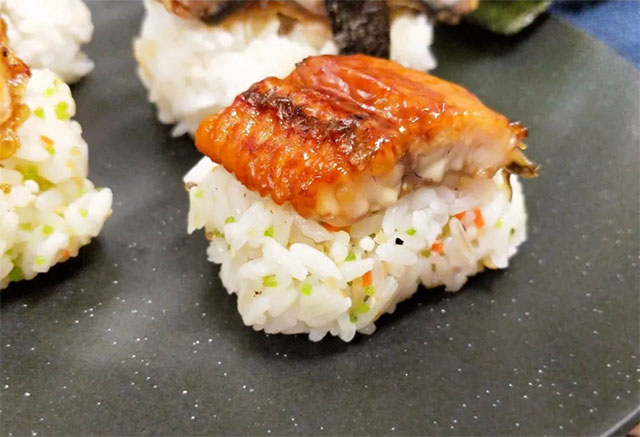
The roll is mostly rice with a tiny sliver of eel and fillings. This is often a cost-cutting measure, but it results in a bland, starchy product where the premium ingredient is lost. The experience is unsatisfying, and customers will not reorder.
Solution: Establish a clear specification. A good starting point for a standard roll (futomaki style) is a 40:60 or 50:50 ratio of rice to total fillings by weight. This ensures every bite delivers a balanced taste of all ingredients.
-
Mistake #2: Using Cold, Stiff Unagi.
Serving the unagi straight from refrigeration makes it firm and mutes its flavor. The rich fats and savory glaze are best when slightly warm, as heat releases the aromatic compounds.
Solution: Gently heat the unagi kabayaki before assembly. A quick pass under a broiler, in a microwave, or in a toaster oven is sufficient. The eel should be warm to the touch, not hot. This simple step makes the texture softer and the flavor more pronounced. Our ready-to-heat foodservice products are designed for this.
-
Mistake #3: Over-reliance on Sweetness.
Some formulations try to amplify the unagi experience by adding other sweet ingredients like tamago (sweet omelet) or sweet gourd (kanpyo) alongside a heavy drizzle of eel sauce. This creates a one-dimensional, dessert-like roll that causes palate fatigue.
Solution: Focus on contrast. If using unagi, pair it with fresh, savory, or even slightly bitter ingredients. Cucumber, shiso leaf, or daikon sprouts are excellent choices to provide a counterpoint to the sweet glaze.
Sourcing Considerations for Global Foodservice Chains
For large-scale buyers such as importers in Germany, catering chains in Southeast Asia, or distributors in Poland, recipe consistency is only half the battle. Supply chain reliability is paramount. Sourcing from a vertically integrated supplier mitigates risks and ensures stable operations.
Here’s a checklist for vetting a frozen unagi supplier:
- Verify Certifications: Does the supplier hold internationally recognized certifications? We are certified under ISO 22000:2018, HACCP, and HALAL, and hold an Export Food Producer Registration Certificate. These are not just logos; they represent a commitment to systematic food safety management that protects your brand.
- Assess Production Capacity: Can they handle your volume? With two modern production lines and an annual capacity of 4,000 tons, we can support large, recurring orders without compromising quality. Our 1,000-ton cold storage facility ensures product integrity throughout storage and logistics.
- Confirm Export Compliance: Does their product meet your market's specific regulations? Our products are processed to meet stringent Japanese, US, and EU food inspection standards for factors like veterinary drug residues. This proactive compliance helps our clients avoid costly import rejections and delays.
- Inquire About Customization: Can they meet your specific needs? We offer differentiated MOQ policies and custom cutting and packaging solutions (e.g., skin-packaging, gift boxes) to match the needs of different channels, from wholesale to retail.
By prioritizing a supplier with proven capacity, verifiable certifications, and a deep understanding of export compliance, you establish a resilient supply chain. This allows you to focus on what you do best: creating excellent food products for your customers.
To discuss your specific product requirements or request a sample of our export-grade frozen eel, please contact our team for a consultation.