

This Broiled Eel Recipe Prevents Burnt Sauce and Dry Fish
One of the most common issues in preparing unagi kabayaki is the sauce. Apply it too early or too thickly, and the sugars burn before the eel is properly heated. Apply it too late, and you get a dull, flat finish. This challenge is why so many kitchens struggle to replicate the deep, glossy lacquered finish of authentic Japanese restaurants. The secret isn't just in the sauce; it's in the application method.
As a quality specialist who has overseen the export of thousands of tons of eel, I've seen how precise temperature and timing control separates acceptable results from exceptional ones. This professional broiled eel recipe uses a two-stage glazing technique that builds layers of flavor and shine without the risk of scorching. It’s a method we've refined to ensure our unagi kabayaki product performs consistently for our foodservice clients in Japan, the US, and the EU.
Choosing Your Foundation: A Checklist for Quality Frozen Unagi
The final dish can only be as good as its core ingredient. For unagi, this means starting with a product that has been expertly raised, processed, and frozen. Not all frozen eel is created equal. Low-quality raw materials or improper processing can lead to off-flavors, poor texture, and inconsistent cooking results. Before you even think about the glaze, verify the quality of your eel supply.
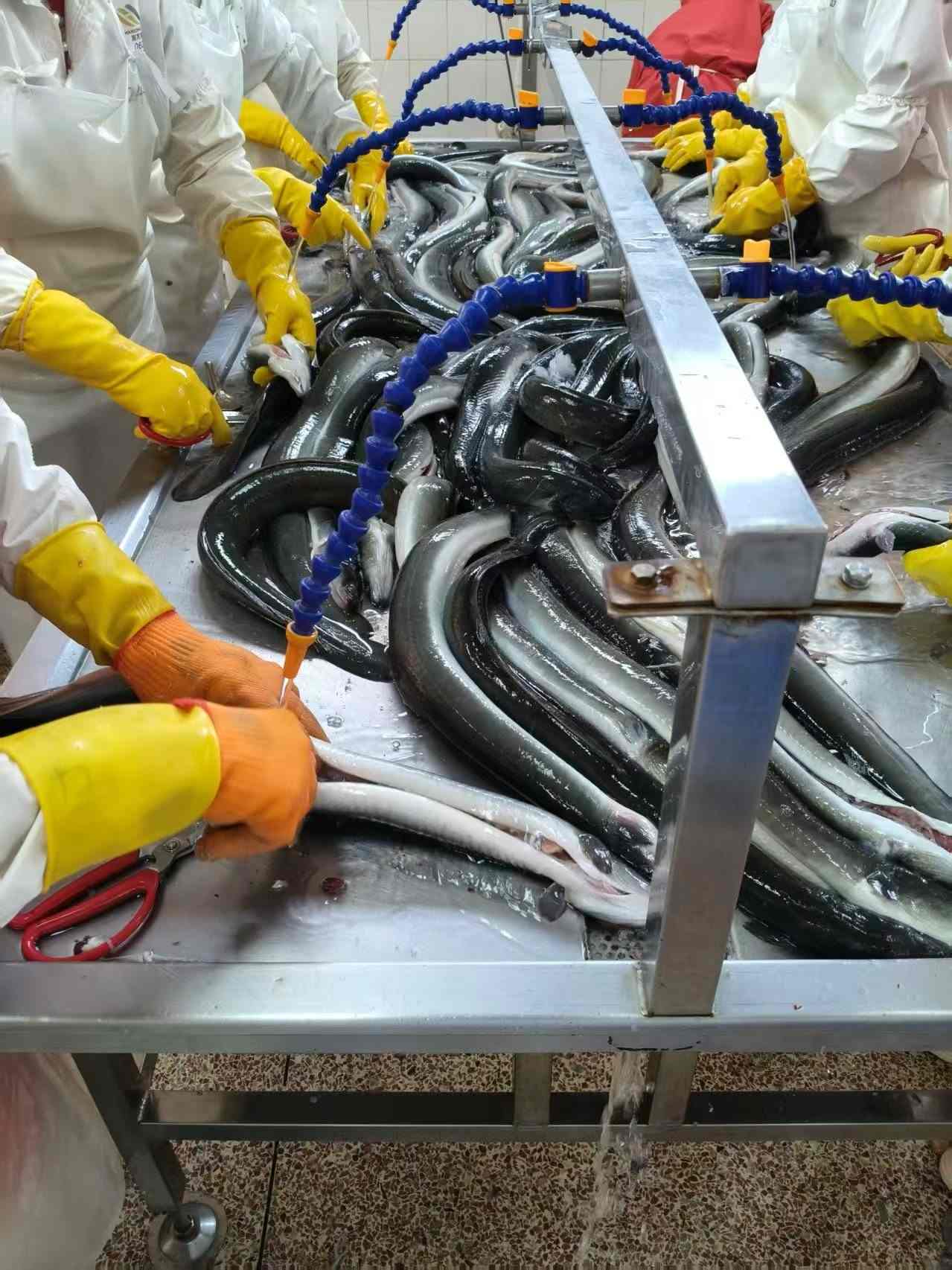
As part of our ISO 22000:2018 certified process, we control the entire chain, from our 20+ customs-registered unagi eel farms to the final packaged product. This ensures the eel has a clean taste, free from the muddy notes that can plague poorly farmed fish. Here is a checklist for sourcing high-quality frozen unagi for your business.
Buyer's Decision Checklist for Frozen Unagi Kabayaki
- Traceability and Certification: Does the supplier provide full traceability back to the farm? Look for certifications like ISO 22000, HACCP, and HALAL. This documentation is critical for import compliance and protects you from food safety risks. Our products, for example, meet stringent Japan, US, and EU standards for veterinary drug residues.
- Fillet Integrity and Cut: Are the fillets uniformly sized and cut? Standardized portions are essential for cost control and consistent plating in a commercial kitchen. Check if the supplier offers custom cuts (shreds, dice, slices) to reduce your back-of-house labor.
- Color and Appearance (Frozen): The frozen fillet should have a healthy, natural color. The existing kabayaki glaze should be even, not patchy or crystallized. Heavy ice crystals may indicate temperature fluctuations during storage, which can damage the eel's texture.
- Ingredient List: Examine the ingredients in the pre-applied sauce. It should be simple and clean, typically based on soy sauce, mirin, sugar, and sake. Avoid products with excessive artificial additives or fillers.
- Bone Presence: A quality product should be virtually boneless. Our deboning process is a critical control point, ensuring a safe and pleasant eating experience for your customers. Ask about the supplier's methods for bone removal and detection.
How Applying Glaze Before and After Broiling Builds Shine Without Scorching
The glossy, mahogany finish on perfect unagi kabayaki comes from carefully caramelized sugars in the glaze. The challenge is that sugar burns at a lower temperature than what's needed to properly heat the eel. If you apply a thick, final-coat glaze from the start, the surface will blacken and turn bitter long before the center of the fillet is warm and succulent. The solution is layering.
This two-stage glazing method separates the heating process from the finishing process. The first stage focuses on heating the eel through with a minimal amount of sauce to prevent drying. The second stage applies the "show" coat of glaze under intense, brief heat to create that signature shine without burning. This is the core principle behind the Kabayaki style of preparation.
Here is a breakdown of the technique, why each step works, and what to watch for.
The Two-Stage Glazing Procedure
-
Preparation & First Glaze (The "Base Coat"):
- Action: Thaw the frozen unagi kabayaki according to package directions. Pat the surface dry with a paper towel. Apply a very thin, almost transparent, layer of eel sauce (unagi tare).
- Reasoning: The initial thin layer serves two purposes. It adds a foundational layer of flavor and, more importantly, its moisture turns to steam during the first broil, helping to heat the eel gently from the outside in without drying it out. There isn't enough sugar in this thin coat to burn during the initial heating phase.
- Checkpoint: The eel should look moist but not dripping with sauce. You should still clearly see the texture of the fish through the glaze.
-
First Broil (The "Heating Stage"):
- Action: Place the eel skin-side down on a foil-lined baking sheet. Broil for 3-5 minutes, or until the eel is heated through.
- Reasoning: This step is purely about bringing the eel up to serving temperature. The focus is on heating the protein, not browning the sauce. Doing this under a broiler is faster and more direct than in a conventional oven.
- Failure Point: If you apply too much sauce in step 1, you will see it start to bubble aggressively and darken at the edges. This is a sign of scorching.
-
Second Glaze (The "Gloss Coat"):
- Action: Remove the eel from the broiler. Immediately brush on a second, more generous layer of eel sauce. The heat of the fish will help the sauce adhere and slightly thicken.
- Reasoning: Now that the eel is hot, this second glaze is all about the finish. It's the "money" coat that provides the deep color and lacquer-like shine. Because the eel is already cooked, this coat only needs a very short exposure to high heat to caramelize.
- Checkpoint: The sauce should coat the fillet evenly, creating an opaque, dark brown layer.
-
Final Broil (The "Finishing Flash"):
- Action: Return the eel to the broiler for just 60-90 seconds. Watch it carefully.
- Reasoning: This final, intense burst of heat is just long enough to bubble and set the glaze, creating that perfect shine. The sugars caramelize rapidly without having time to burn.
- Failure Point: Do not walk away. At this stage, the sauce can go from perfect to burnt in less than 30 seconds. Pull it out the moment you see fine bubbling across the entire surface and the edges are just beginning to darken.
This method ensures the eel is tender and hot, while the surface is perfectly glazed, never burnt. It’s a reliable technique for achieving consistent, restaurant-quality results every time.
Troubleshooting Your Broiled Eel Recipe: Common Mistakes
Even with a solid technique, issues can arise. Most problems trace back to temperature control, timing, or the quality of the starting product. As a quality auditor, my job is to identify root causes. Here are the most common failures I see in commercial kitchens and how to fix them.
| Problem | Likely Cause | Solution |
|---|---|---|
| The sauce is burnt and bitter. | The glaze was applied too thickly at the start, or the final broil was too long. The broiler might be too close to the eel. | Use the two-stage glazing method. Ensure the final broil is under 90 seconds and the oven rack is positioned at least 6 inches from the heating element. |
| The eel is dry and tough. | The eel was overcooked during the first heating stage, or the starting product was of poor quality and had low fat content. | Reduce the time of the first broil. The goal is just to heat it through. Also, source high-quality unagi with sufficient fat content, which helps it remain moist. Our patented low-fat roasting process retains moisture while rendering excess fat. |
| The glaze is thin and watery, not glossy. | The final glaze was not exposed to enough heat to caramelize, or the sauce itself is too thin. | Ensure your broiler is fully preheated. The final broil needs to be short but intense. If the sauce is the issue, it can be reduced slightly in a saucepan to thicken before application. |
| The eel cooked unevenly. | Hot spots in the oven or inconsistent fillet thickness. | Rotate the baking sheet halfway through the first broil. More importantly, work with a supplier who provides standardized cuts for even cooking across multiple portions. |
Serving and Menu Integration
Once you've mastered this broiled eel recipe, the applications are numerous. The classic presentation is Unagi Don (or Unadon), served over a bed of premium short-grain rice. But the versatility of this product extends far beyond the rice bowl.
For our foodservice clients in Australia and Southeast Asia, we see creative applications in modern Asian cuisine. The standardized, boneless fillets are easily incorporated into various dishes, reducing labor costs and ensuring menu consistency. Consider these ideas:
- Unagi Nigiri or Rolls: A classic application where the quality of the glaze is on full display. Our custom sushi-slice cuts are perfect for this. For inspiration, check out this eel sushi roll recipe.
- Eel & Foie Gras Skewers: A luxury appetizer that pairs the rich eel with creamy foie gras, grilled briefly to meld the flavors.
- Unagi Fried Rice: Diced unagi can be folded into fried rice at the last minute, adding a sweet and savory element.
- Japanese-style Pizza: Use unagi as a topping with kewpie mayonnaise, shredded nori, and bonito flakes for a unique fusion dish.
The key is to add the perfectly broiled eel at the end of the cooking process to preserve its delicate texture and glossy finish.
By focusing on a quality source and a precise cooking technique, you can consistently produce delicious, visually appealing broiled eel that will satisfy customers and enhance your menu. This method removes the guesswork and ensures a reliable, repeatable outcome every time.
If your business requires a stable supply of high-quality, fully certified frozen unagi kabayaki, contact us to request a product specification sheet or a sample for evaluation.