


Build eel unagi sauce with a glossy reduction
Why does a sauce look perfect in the pan, then slide off grilled eel or turn dull on rice? The answer is usually not the ingredient list. It is the reduction stage and the cooling stage. Eel unagi sauce needs enough body to cling, but not so much concentration that it becomes sticky, heavy, or harsh.
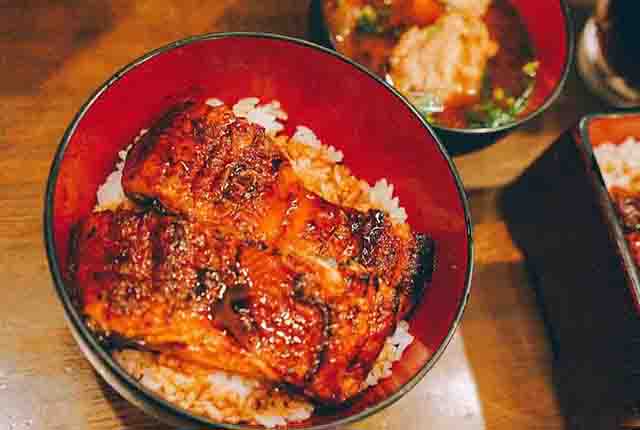
A good brushstroke should leave a thin amber film on the eel, catch the light, and stay in place through serving. That restaurant-style finish comes from understanding how eel unagi sauce behaves when hot, warm, and cooled—not from blindly reducing it until it looks dark.
For grilled eel, sushi rolls, and rice bowls, the target is usually a brushable sauce that gives a clean shine without covering the natural flavor of the fish. This guide explains the process behind a dependable eel unagi sauce finish, including what to watch for, what can go wrong, and how foodservice buyers can specify the texture they need.

Start by deciding what the sauce must do on the finished dish
Before adjusting heat or reduction, define the service use. Eel unagi sauce for a hot grilled fillet does not need the same body as a finishing glaze for cold sushi, a dipping sauce for rolls, or a topping for a rice bowl.
The practical conclusion is simple: choose texture by application first. The reason is that surface temperature, serving method, and portion size all change how the sauce spreads. A sauce that works beautifully on a warm kabayaki fillet may feel too thick on cold rice or may pool around a sushi roll.
| Serving use | Best practical texture | What it should do | When this target does not fit |
|---|---|---|---|
| Grilled eel fillet | Brushable and moderately fluid | Coat the surface in a thin layer without running off the edge | Not ideal for a heavy rice-bowl topping where more sauce is expected |
| Sushi roll finish | Slightly thicker, controlled flow | Stay in a neat line or light drizzle without soaking the rice | Not suitable if the roll is served very warm and needs a faster-spreading sauce |
| Rice bowl topping | More fluid and easy to pour | Reach the rice and eel evenly rather than sitting only on top | Not suitable for repeated brushing during grilling |
| Dip or side sauce | Pourable at serving temperature | Coat a bite without forming a thick shell | Not the best choice for a high-shine grilled finish |
When selecting eel unagi sauce for grilled products, test it on the actual food surface. A spoon test alone can mislead you. Eel flesh, browned skin, rice, nori, and chilled seafood all accept glaze differently.
For buyers using frozen roasted eel, the sauce should also match the reheating method. A fillet reheated in a dry oven, on a grill, or under direct heat can take a later glaze application. A fillet reheated in a covered environment may need lighter coating because surface moisture can dilute the finish.
For product pairing ideas, see our unagi kabayaki product information and consider the eel cut, serving style, and reheating workflow together.
How reduction stages and cooling change viscosity, cling, and shine for a brushable eel glaze
This is the working core of eel unagi sauce. As water leaves during reduction, the sauce becomes more concentrated. Its viscosity increases, which means it resists flowing. That change affects every brushstroke.
The conclusion: do not judge the final kabayaki sauce texture only while the pan is hot. The reasoning is straightforward. Heat makes sauce appear looser; cooling reveals how firmly it will cling. This matters most when the sauce will be held, packed, or brushed after cooking rather than served immediately.
| Stage | What you see | Practical effect on eel | Risk if taken too far |
|---|---|---|---|
| Early reduction | Fast flow, light coating, limited shine | Spreads easily but may run into the tray or pool on rice | The glaze looks thin and does not build visible color |
| Middle reduction | Slower flow and an even film on a spoon or brush | Best stage for repeated light brushing during grilling | Can still become too loose if applied over a wet eel surface |
| Late reduction | Noticeable cling and stronger surface shine | Works for a glossy eel glaze when applied in a thin coat | A heavy layer can taste overly concentrated and look dark rather than glossy |
| Cooling after reduction | Flow slows further as the sauce settles | Shows the true brushing behavior at service temperature | If it becomes overly thick after cooling, it can pull or tear delicate eel flesh |
Use this immediate check: dip a clean spoon or brush, lift it, and watch how the sauce returns to the container. For a brushable finish, it should leave a visible coating instead of disappearing at once. It should also release from the brush with a gentle stroke rather than forming a heavy blob.
The limit is important. A thicker eel unagi sauce is not automatically better. If it forms a dense layer, it can hide grilled aroma, overpower the eel, and make sushi rice feel wet or sticky.
Cold fact: shine and thickness are related, but they are not identical. A sauce can be thick yet dull when it has been reduced too aggressively or applied in too much volume. A thin, even layer often reflects more light than one heavy coat.
Use a repeatable brushing routine instead of one heavy coating
The best working method for eel unagi sauce is usually a sequence of light applications. This gives the glaze time to set on the surface and lets the cook stop before the sauce becomes excessive.
- Dry the cooked eel surface. Remove obvious moisture before glazing. A wet surface thins the sauce and causes pooling.
- Brush a light first layer. Cover the top evenly, including the edges, without flooding the tray.
- Allow the coating to settle under the cooking environment. Watch for an even sheen rather than waiting for a dark color alone.
- Add another light layer only if the first layer has adhered. This builds shine while keeping the fish visible.
- Assess after a short cooling period. The cooled coating tells you whether the finished eel unagi sauce will remain brushable or become too thick.
This approach fits grilled fillets and plated rice bowls. It does not always fit a quick-service operation that needs sauce dispensed directly onto a finished portion. In that case, specify a more pourable format and control the portion with a ladle, bottle, or measured dispenser.
For a closer look at flavor adjustment errors, our Kabayaki Sauce Recipe Fix Flavor Mistakes guide explains how to correct common balance problems without masking the eel.
Understand what texture problems reveal about the cooking process
A weak glaze is not always an ingredient problem. Often, it is a process mismatch. Reading the surface tells you what to change next time.
- The sauce runs off immediately: the sauce is too fluid for the application, or the eel surface is too wet. Use a drier surface and assess a further reduction stage.
- The sauce pools around the fillet: too much sauce was applied at one time. Use multiple thin coats rather than increasing thickness.
- The finish is dark but not shiny: reduction may have gone too far, or the layer is too heavy. Stop chasing color; aim for an even reflective film.
- The glaze becomes sticky after cooling: the sauce was judged only while hot. Let a small sample cool before committing to a full production batch.
- The sushi rice becomes wet: the sauce is too fluid, the portion is too large, or the roll is dressed too early. Use a controlled drizzle at final service.
These checks are especially useful when comparing suppliers. The phrase sushi glaze ingredients is often discussed first, but the buyer should also ask how the sauce performs after cooling, after reheating, and on the intended food surface. Ingredient information supports allergen and menu planning; texture testing determines whether the product works in service.
Specify sauce performance clearly when buying for foodservice or export
For restaurant groups, importers, and private-label buyers, the right request is not simply “thick sauce” or “sweet sauce.” Those descriptions are too vague. A useful eel unagi sauce brief connects texture to the menu item and the operating method.
Use the checklist below when discussing samples or specifications with a supplier.
- Menu application: grilled eel, roll topping, rice bowl, dip, or multi-use sauce.
- Application method: brush, squeeze bottle, ladle, drizzle, or individual packet.
- Service condition: hot food, room-temperature assembly, or chilled sushi presentation.
- Desired finish: light sheen, high gloss, visible glaze layers, or pourable coverage.
- Product compatibility: test with your actual eel, rice, nori, and packaging process.
- Documentation need: request ingredient, allergen, packaging, and market-entry information appropriate to your destination.
Eelpro Co., LTD supplies eel sauce alongside frozen roasted eel and freshwater eel products. Our facility is certified to ISO 22000:2018, HACCP, and HALAL requirements, and holds export food producer registration and an SC food production license. We also apply export quality standards to domestic sales, with an in-house laboratory and metal detectors at critical control points.
For buyers selling into markets with import requirements, food safety documentation and product handling details should be checked before shipment planning. Eelpro’s products meet Japan, United States, and European Union food inspection standards for veterinary drug residues and microbiological indicators as stated in our export compliance program.
Our production setup includes two modern production lines with annual finished-goods capacity of 4,000 tons and a 1,000-ton cold storage facility. For sauce-and-eel programs, this helps buyers coordinate frozen product storage and cold-chain planning. Regular order delivery is approximately 30 days from order confirmation to shipment, subject to specification and quantity.
Learn more about our eel sauce options or review how our eel lab supports quality-control procedures.
Match the glaze to the dish rather than forcing one sauce across every menu
A single eel unagi sauce can be versatile, but it should not be expected to perform identically on every dish. For a grilled fillet, a glossy layered finish may be the goal. For a donburi bowl, the sauce must reach the rice. For sushi, controlled placement matters more than volume.
If you are preparing a home-style bowl, consider the toppings and side dishes before choosing the glaze weight. Our eel rice bowl toppings guide offers serving ideas that can help balance a rich glaze with fresh or crisp components.
The final decision is practical: reduce for cling when brushing grilled eel, keep more flow for rice bowls, and use controlled drizzling for sushi. That is how eel unagi sauce delivers shine without taking over the plate.
Request a sauce and eel sample specification if you want help matching glaze texture to your menu format.