





Can Eel Sauce Japanese Replace Teriyaki in Everyday Cooking
Your chicken is sizzling, the rice is ready, and you reach for teriyaki only to find an empty bottle. Can eel sauce japanese style glaze save dinner? Often, yes. But the result will not taste exactly the same, especially on delicate fish, vegetables, or a large batch of grilled meat.
Both sauces bring a dark, glossy finish and a sweet-salty profile to the plate. Yet they were developed for different jobs. Eel sauce, also called unagi tare or kabayaki sauce, is usually designed to cling to grilled eel and complement its rich flavor. Teriyaki is a broader Japanese-style cooking sauce and glaze, often used with chicken, salmon, beef, tofu, and vegetables.
The short answer is simple: eel sauce japanese products can replace teriyaki when you want a thicker, sweeter glaze and are cooking in small batches. It is less suitable when you need a lighter marinade, a large amount of simmering sauce, or the familiar ginger-forward flavor that some teriyaki recipes use.
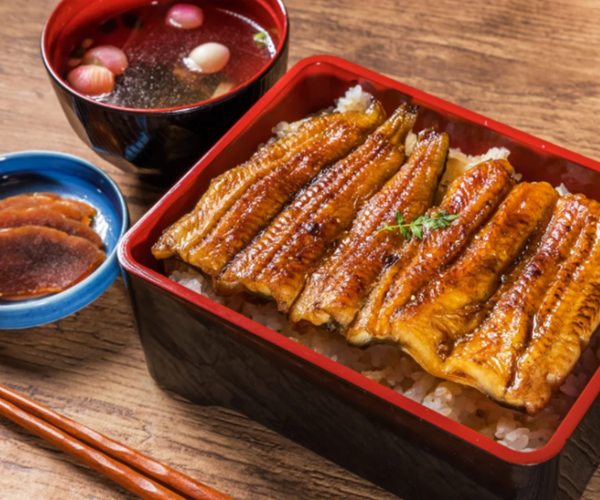
Comparison Between Japanese Eel Sauce and Teriyaki
The most practical difference is not the dark color. It is how each sauce behaves in heat. Eel sauce japanese products are generally thicker and more concentrated, so a small amount can coat food quickly. Teriyaki sauces vary widely, but many are thinner and better suited to marinating, pan cooking, or building a sauce in the skillet.
Neither category has one legally fixed home recipe. Labels and restaurant formulas differ. Still, the comparison below gives home cooks and foodservice buyers a useful starting point.
| Feature | Japanese Eel Sauce | Teriyaki Sauce |
|---|---|---|
| Typical ingredients | Usually soy sauce, sugar, and cooking alcohols such as mirin or sake; formulas may be adjusted for eel grilling | Usually soy sauce, sugar, mirin, and sake; some versions add ginger, garlic, fruit juice, starch, or sesame |
| Thickness | Usually thicker, stickier, and made to cling to a grilled surface | Often thinner, though bottled versions can be thickened |
| Sweetness | Commonly sweeter and more concentrated | Ranges from mildly sweet to sweet, depending on the recipe or brand |
| Best cooking uses | Unagi, sushi finishing, rice bowls, roasted vegetables, grilled mushrooms, and final brushing | Chicken, salmon, beef, tofu, stir-fries, marinades, and pan sauces |
| Best time to add | Near the end of cooking, in thin layers | During cooking or near the end, depending on sweetness and thickness |
Conclusion: use eel sauce japanese glaze as a teriyaki substitute when a lacquered finish matters more than a light coating. Choose teriyaki when the recipe needs sauce volume, marinating time, or extra aromatics. This distinction matters most for chicken thighs, salmon fillets, and stir-fries; it matters less for a quick rice bowl where either sauce is used sparingly.
For a closer look at sauce designed for grilled eel, see our eel sauce product page. If you are cooking unagi itself, pairing the sauce with prepared unagi kabayaki gives a more traditional result than treating eel like ordinary grilled fish.
When Eel Sauce Works Well as a Teriyaki Substitute
Use eel sauce japanese glaze when the dish benefits from a glossy, sweet-savory finish. Think of it as a finishing sauce first, not an all-purpose liquid seasoning. Its thickness makes it especially effective on foods with browned edges and a relatively dry surface.
- For grilled chicken skewers: Brush a thin layer during the final stage of cooking. The sauce will cling well and give a rich shine. Do not use it too early, because sweet sauces can darken quickly over direct heat.
- For salmon: Use it after the fish is nearly cooked. It suits rich fish, but apply lightly because salmon can be overwhelmed by an overly sweet glaze.
- For tofu: Pan-sear the tofu first, then add a small amount of sauce at the end. This avoids a watery coating and helps the glaze stay on the surface.
- For rice bowls: Add a little sauce over rice, vegetables, and protein just before serving. This is one of the easiest situations for a swap because the sauce is not expected to act as a marinade.
- For sushi-style dishes: A small brush of eel sauce japanese glaze works well over cooked unagi, avocado rolls, or roasted eggplant. It does not replace sushi rice seasoning, however.
A useful cooking rule is this: if your recipe says “marinate for several hours,” teriyaki is usually the safer choice. If your recipe says “brush and grill,” eel sauce is often the better substitute. The first needs penetration and volume; the second needs surface adhesion.
Cold fact: despite its common English name, traditional eel sauce does not need to contain eel. The name refers to its usual pairing with grilled eel. That makes it useful beyond unagi, but it does not mean every bottle will taste identical. Always check the ingredient statement for sweeteners, allergens, and cooking alcohols.
How to Replace Teriyaki Without Making the Dish Too Sweet
The biggest risk when using eel sauce japanese glaze in place of teriyaki is overdoing it. A sauce that looks perfect in the bottle can turn sticky, dark, and overly sweet after a few minutes in a hot pan. The fix is simple: start small, taste, and only add more after the first coating has heated through.
- Cook the protein or vegetables first. Brown chicken, tofu, mushrooms, or salmon before adding the sauce. A dry, browned surface holds glaze better.
- Add a small initial amount. For one serving, begin with a light brush or drizzle rather than pouring the sauce into the pan.
- Use low or medium heat. Sweet sauces can scorch. Keep the heat controlled once the glaze is added.
- Turn the food once or twice. Coat both sides without repeatedly stirring. Constant stirring can create a thick, uneven coating.
- Taste before adding salt. Soy sauce is usually part of the flavor base. Extra salt, salted butter, or salty stock may push the dish too far.
- Balance only when needed. If the final flavor is too sweet, add a small amount of unsweetened liquid or a fresh acidic element such as citrus. Do not try to correct it with more sugar or another thick sauce.
This method fits weeknight cooking, small restaurant test batches, and menu development. It does not apply as neatly to a large wok stir-fry, where a thinner sauce is needed to coat many ingredients evenly. In that case, use teriyaki or adjust your cooking method rather than flooding the pan with eel sauce.
Common Mistakes When Choosing Between the Two Sauces
Using eel sauce japanese glaze instead of teriyaki is not difficult, but a few habits lead to disappointing results. These are easy mistakes to avoid.
- Using it as a long marinade: Eel sauce is better as a late-stage glaze. Its thickness and sweetness can leave an uneven surface during extended marinating. Use teriyaki when marination is the main purpose.
- Adding it at the beginning of high-heat cooking: Sweeteners can darken fast. Add the sauce near the end, then watch the pan closely.
- Confusing color with flavor: Two dark sauces can have very different sweetness, saltiness, and aroma. Taste a small amount before building a dish around it.
- Using too much on mild ingredients: White fish, zucchini, and plain noodles can lose their own character under a heavy coating. Use a light brush instead.
- Skipping the label check: Recipes and commercial products vary. Ingredient and allergen information should guide the final choice, especially for family meals or foodservice menus.
If you are trying to repair a glaze that became too thick or too sweet, our guide to kabayaki sauce recipe: fix flavor mistakes offers practical correction ideas. The key is to adjust in small steps. A heavy-handed correction often creates a second problem.
Which Sauce Fits Popular Japanese-Style Dishes
For cooks deciding quickly, match the sauce to the dish’s texture and cooking method. Eel sauce japanese glaze is strongest where it can sit on the surface. Teriyaki is more flexible where food cooks in the sauce.
| Dish | Better Choice | Why | Limit |
|---|---|---|---|
| Grilled unagi over rice | Eel sauce | It supports the familiar sweet-savory kabayaki finish | Use a thin coating so the eel flavor remains clear |
| Chicken teriyaki | Teriyaki | It is usually better suited to pan sauce and marinade use | Eel sauce can work for a sweeter final glaze |
| Roasted eggplant | Eel sauce | Its thicker texture clings to soft, browned eggplant | Use sparingly on small portions |
| Beef and vegetable stir-fry | Teriyaki | A thinner sauce spreads more evenly through the wok | A small amount of eel sauce can finish the dish |
| Salmon rice bowl | Either | Both can work depending on whether you want a sticky or lighter coating | Keep the serving size of sauce modest |
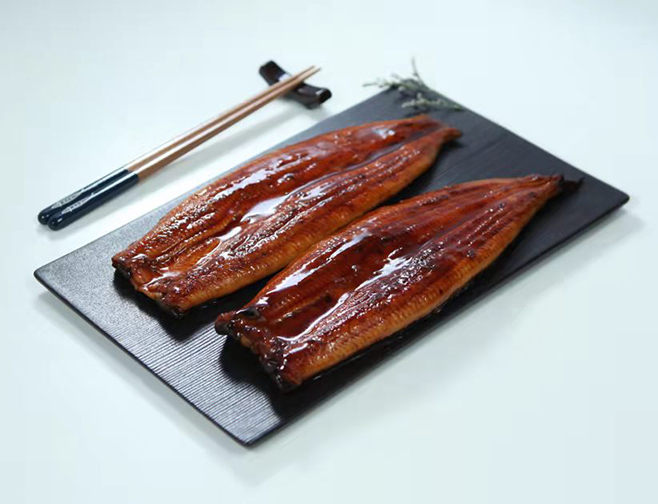
For a true eel-centered meal, sauce choice and eel quality should work together. Eelpro produces frozen roasted eel using a four-layer soy-sauce coating process, with defined color standards from white-roasted eel through the first to fourth sauce coatings. Our kabayaki sauce article explains why repeated thin coatings give a different result from one heavy pour.
What Home Cooks and Buyers Should Check Before Choosing a Bottle
For home use, choose eel sauce japanese products when you want a finishing glaze for eel, sushi-style dishes, grilled seafood, or rice bowls. For foodservice purchasing, ask how the sauce will be used before selecting a format. A sauce for brushing prepared unagi is not necessarily the right sauce for marinating chicken or producing a large batch of stir-fry.
- Check the intended use: finishing, dipping, glazing, marinating, or simmering.
- Check thickness: a brush-on sauce should cling; a wok sauce may need more flow.
- Check sweetness: match it to rich proteins, rice, or vegetables rather than assuming all dark sauces perform alike.
- Check ingredient and allergen information: this is especially relevant for menu planning and retail sale.
- Check supply controls: for commercial imports, source from a producer that can document food safety systems and traceability.
Eelpro holds ISO 22000:2018, HACCP, and HALAL certifications, together with export food producer registration. Its in-house laboratory, metal detectors, and traceability controls support exports to markets including Japan, the United States, Germany, Poland, Australia, Indonesia, and other Southeast Asian channels. Those controls matter for commercial buyers; they do not change the basic cooking decision of whether a dish needs a thick glaze or a more fluid teriyaki sauce.
Want to test the difference on your own menu? Request an eel sauce sample or compare it alongside our frozen unagi kabayaki options before choosing your preferred finish.

 WhatsApp
 sales@chinaeels.com
 +8619937922411