


Can You Grill Frozen Unagi Without Thawing for Better Grilled Unagi
Your frozen eel fillet is ready, the rice is steaming, and dinner should not wait. Can you place it straight on the grill? Usually, yes—but only when the unagi is a pre-cooked, individually separated fillet and the package is free from heavy surface ice. The real challenge is keeping the sweet glaze glossy instead of watery or burned.
For home cooks and foodservice teams, grilled unagi made from frozen kabayaki can be convenient and satisfying. Frozen unagi kabayaki has already been roasted and seasoned before freezing, so the goal is reheating, not cooking raw eel from the beginning. That distinction changes everything.
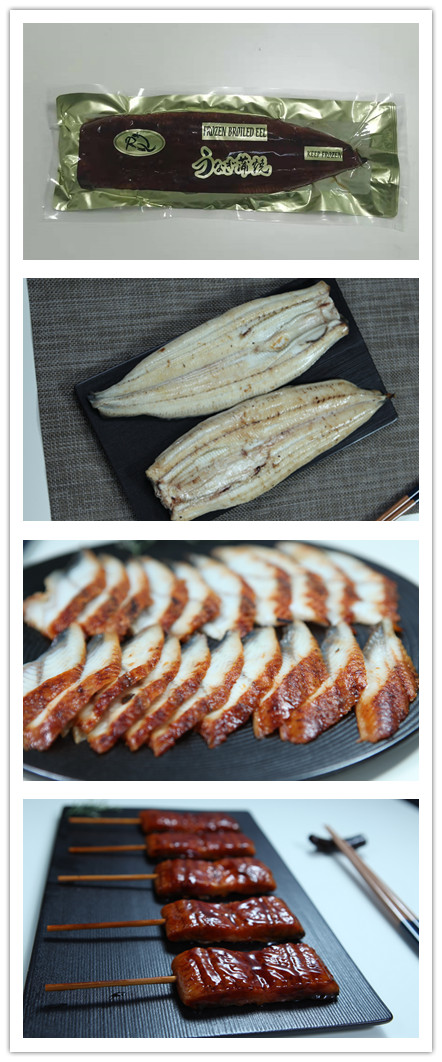
Start by confirming what kind of frozen unagi you have
The direct-from-frozen method fits pre-cooked unagi kabayaki fillets. These are roasted eel products prepared with a sweet-savory soy-based coating. It does not fit every eel product in a freezer.
Before preparing grilled unagi, read the package carefully. The label should identify whether the item is pre-cooked kabayaki, white-roasted eel, raw freshwater eel, cut pieces, or another format. A raw product requires a different cooking process and should not be treated like ready-to-heat kabayaki.
| Frozen eel format | Can it usually be heated from frozen? | Best decision | Limit |
|---|---|---|---|
| Pre-cooked frozen unagi kabayaki fillet | Yes, if separated and not covered in excess ice | Use gentle covered heating first, then finish briefly for color | Do not expose the glaze to strong direct heat while the center is still frozen |
| Frozen kabayaki cut pieces | Often yes | Heat in a single layer so smaller pieces warm evenly | Pieces can dry out faster than a full fillet |
| White-roasted eel without sauce | Sometimes | Follow the supplier’s handling instruction and add sauce near the end | Its surface has less protective glaze |
| Raw or partially prepared eel | No assumption should be made | Use the product-specific cooking instruction | Raw eel has different food-safety and texture requirements |
A reliable supplier should clearly identify the product format. Eelpro supplies unagi kabayaki as a frozen, roasted product for buyers who need a convenient serving format. The company’s roasting process uses four controlled soy-sauce coating layers, helping create the characteristic color and glaze associated with kabayaki.
Practical conclusion: Direct heating is appropriate for a properly stored pre-cooked fillet. It is not a shortcut for unidentified frozen eel. When the package is unclear, pause and ask the supplier for the product specification.
When grilled unagi can go straight from frozen and when it needs thawing
This is the boundary that matters most. Direct heating from frozen works when the fillet can warm gradually without trapping too much water under the glaze. Thawing is the safer choice when moisture, thickness variation, or packaging condition makes even heating less predictable.
| Question | Direct answer | Reasoning | When this does not apply |
|---|---|---|---|
| Can grilled unagi go directly from freezer to grill? | Yes, for pre-cooked kabayaki fillets that are individually separated and lightly frosted. | Gentle heat can warm the eel while preserving a moist interior. | Do not use this approach if the fillet is frozen into a solid block or has a thick ice coating. |
| When should I thaw the fillet first? | Thaw first when portions are stuck together, the glaze is hidden beneath ice, or the fillet is unevenly thick. | Thawing allows excess water to drain and helps heat reach the center more evenly. | Thawing is not required simply because the package was stored frozen. |
| How does package moisture affect the glaze? | Surface water can dilute the sauce and cause steaming rather than light caramelization. | Water released from ice weakens the glaze before it has a chance to set. | A light frost layer is not necessarily a problem if it melts gradually under covered heat. |
| Should sauce be added at the beginning? | Usually no. Add extra sauce near the finishing stage. | Sweet sauces can darken too quickly on direct heat. | If the supplier gives a different product-specific instruction, follow that instruction. |
The easy rule: If the frozen surface looks dry and clean, direct heating is reasonable. If it looks wet, icy, or sticky with accumulated frost, thaw enough to remove excess moisture before finishing the grilled unagi.
This is why package condition matters as much as the cooking device. A fillet can be high quality at production but still produce a thin, patchy coating if it has been repeatedly exposed to temperature changes during storage. Keep frozen products properly sealed and avoid leaving them out while other meal components are prepared.
Use a two-stage method to heat frozen unagi without burning the glaze
The best approach is not aggressive grilling from the first second. Start with protected, gentle heating. Then expose the surface briefly at the end for aroma and color. This method suits an oven grill, toaster oven, pan with a lid, or grill with indirect heat.
- Open the package and inspect the fillet. Look for excessive ice, torn packaging, pooled liquid, or a fillet that is fused to another piece. If these signs are present, thaw first rather than forcing the product apart.
- Remove loose ice and visible surface moisture. Use a clean paper towel to blot lightly. Do not scrape off the existing glaze, because it contributes flavor and protects the eel surface.
- Place the fillet skin-side down. This gives the flesh side protection while it warms. If using foil, keep it loose enough that steam is not pressed directly against the glaze.
- Heat gently until the fillet is warmed through. Follow the supplier’s package directions for the equipment and product format. A full fillet and cut pieces do not warm at the same rate.
- Finish with brief direct heat. Once the eel is hot, uncover it and allow the surface to regain its shine. Watch closely. The glaze can darken quickly.
- Brush extra unagi tare only at the end. A thin final brush gives a richer appearance without leaving the surface wet.
- Rest briefly before serving. This lets the coating settle rather than sliding off onto the plate.
For an unagi rice bowl, place the finished grilled unagi over hot rice and spoon any remaining warm sauce sparingly around the eel rather than flooding the top. The contrast between warm rice, tender eel, and a concentrated glaze is the point.
If you need a ready-made condiment, see our eel sauce product page. Extra sauce is useful for rice bowls, sushi rolls, and plated restaurant portions, but it should support the existing kabayaki flavor rather than cover it.
Choose the right heating equipment for the result you want
There is no single best appliance for every kitchen. Choose based on whether you value a soft texture, a lightly charred surface, or simple batch handling.
| Equipment | Best result | How to use it | Watch for |
|---|---|---|---|
| Oven grill or broiler | Light surface color and roasted aroma | Use a protected warming stage, then finish uncovered | Glaze can darken fast under strong top heat |
| Toaster oven | Convenient small portions | Use foil or a lined tray for the first stage | Heating space is limited; avoid crowding portions |
| Lidded pan | Soft, moist flesh | Warm gently with the lid on, then remove the lid to finish | Too much trapped steam can thin the sauce |
| Outdoor grill | More pronounced grilled aroma | Start with indirect heat and move closer only at the end | Direct flames can scorch sweet glaze |
Recommendation: Use indirect or covered heating first if the product is frozen. Use direct heat only for the final finish. This gives grilled unagi a better chance of staying tender while still developing a pleasing surface.
For cooks who enjoy comparing methods, our eel teriyaki grilled unagi with sweet savory glaze guide offers another serving direction built around a glossy finish.
Avoid the mistakes that turn frozen unagi watery or bitter
Frozen kabayaki is forgiving, but sweet sauce exposes mistakes quickly. The following problems are common in home kitchens and in busy foodservice preparation.
- Mistake: placing an icy fillet over strong heat. The outside overheats while trapped ice melts slowly. Result: uneven warming and diluted sauce. Better choice: blot loose moisture and begin with covered or indirect heat.
- Mistake: adding a heavy layer of sauce too early. The exterior becomes overly dark before the center is warm. Better choice: reserve extra sauce for the final finish.
- Mistake: turning the fillet repeatedly. Pre-cooked eel is tender. Frequent handling can break it into pieces. Better choice: keep it skin-side down during the warming stage and move it only when needed.
- Mistake: serving as soon as the surface looks glossy. A shiny glaze does not confirm that the center has warmed evenly. Better choice: heat according to the supplier’s product instruction, then check that the fillet is hot throughout before serving.
- Mistake: using damaged packaging without checking quality. Tears, heavy frost, and unusual liquid can affect texture and glaze. Better choice: inspect every pack before service and contact the supplier if storage quality is in doubt.
Here is a useful food fact: the glaze is not only for flavor. On a kabayaki fillet, it also forms a thin surface layer that helps retain the appealing look of the roasted eel. Too much water weakens that layer. That is why a dry-looking frozen package often performs better than one with visible ice crystals.
What buyers should check before choosing frozen kabayaki for regular service
For restaurants, importers, caterers, and retail buyers, a reliable grilled unagi result starts before the product reaches the kitchen. Product format, traceability, packaging, and cold storage capability all affect repeatable preparation.
- Confirm the product format. Ask whether the order is a full fillet, sushi slice, strip cut, diced format, chunk cut, or three-section cut. Eelpro can provide custom cutting specifications for different serving uses.
- Request handling instructions. A supplier should state whether the item is designed for heating from frozen and how to protect the glaze during preparation.
- Check food-safety credentials. Eelpro holds ISO 22000:2018, HACCP, HALAL certification, export food producer registration, and an SC Food Production License covering quick-frozen prepared foods.
- Ask about traceability. Eelpro works with about 20 customs-registered eel farming bases covering more than 2,150 mu, with traceability controls from farming registration through shipment.
- Review cold-chain capacity. The company has a 1,000-ton cold storage facility, supporting product storage and cold-chain logistics.
- Match order quantity to packaging. MOQ is negotiated according to product specification and packaging format, including skin packaging and gift box options.
These checks matter when grilled unagi is part of a repeat menu rather than a one-time meal. Eelpro operates two modern production lines with an annual finished-product capacity of 4,000 tons. Its in-house laboratory, metal detectors, and quality-control team support export-oriented production for markets including Japan, the United States, Germany, Poland, Australia, Indonesia, and other Southeast Asian destinations.
For a closer look at source control, visit the unagi eel farm for Eelpro Co., LTD page. Buyers who need quality-system details can also review the eel lab of Eelpro Co., LTD.
Serve grilled unagi while the glaze is still bright
Once heated, grilled unagi is best served promptly. Place it over rice, tuck it into a sushi roll, or cut it into portions for a shared plate. Keep garnishes simple: rice, cucumber, shredded egg, spring onion, or a lightly dressed vegetable side all let the eel remain the focus.
If you are planning several menu variations, use the same frozen fillet in different formats rather than changing the heating process every time. A full portion suits an unadon-style rice bowl. Narrow slices suit rolls. Smaller cuts work well as a topping for noodles or rice. The product should be warmed gently first in every case; only the final presentation changes.
For more serving ideas, explore our eel recipes 10 flavor pairings for menus guide.
Request a product specification or sample guidance from Eelpro to select the frozen kabayaki format that fits your menu and heating method.