


Can You Make an Unagi Don Recipe With Frozen Eel
Can frozen eel still give you that glossy, tender bowl of rice-shop unagi? Yes—but only if the eel is already cooked, handled gently, and reheated without drying out the flesh. A good unagi don recipe does not begin with a hot pan. It begins with choosing the right eel format.
Picture a bowl of warm rice, a lacquered strip of eel, and sweet-savory sauce soaking lightly into the grains below. That is the appeal of unagi don. Frozen eel can make this meal practical for home cooks, caterers, and foodservice buyers, but frozen does not mean every product is ready for the same use. Product type matters. Packaging matters. So does the way the eel is thawed and heated.
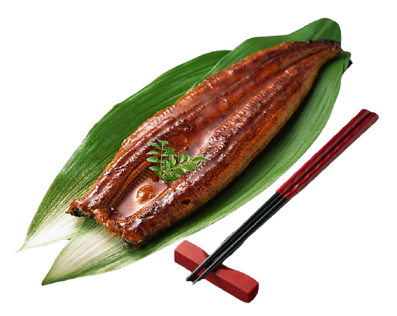
Choose the frozen eel format before planning the bowl
The best unagi don recipe for frozen products uses unagi kabayaki that has already been roasted and seasoned. Kabayaki is designed for quick finishing because it has been cooked through the roasting process and coated with sauce. It is a practical choice when you want the classic sweet, grilled eel profile without cleaning, deboning, or roasting raw eel at home.
Frozen eel is not one single product category. Buyers and home cooks should distinguish between cooked kabayaki, white-roasted eel, raw freshwater eel, and products labeled ready to eat. Each format has a different purpose in an unagi don recipe.
| Frozen eel option | Best use | Why it works | When it does not fit |
|---|---|---|---|
| Frozen unagi kabayaki | Classic rice bowls, Japanese restaurant menus, meal kits | Already roasted and sauce-coated, so the final preparation focuses on warming and surface finish | Not ideal if you need an unsauced eel flavor or want to apply a house marinade from scratch |
| White-roasted eel | Custom sauce programs and lighter flavor profiles | Lets the kitchen control sauce application and finishing flavor | Not the quickest option for a standard glazed bowl |
| Raw frozen freshwater eel | Operations with trained fish preparation staff | Allows full control over cleaning, cutting, seasoning, and cooking | Not suitable for a fast home-style bowl unless the cook understands raw eel preparation |
| Vacuum-packed cooked eel | Portion-controlled retail and foodservice use | Helps protect the product during frozen storage and makes inventory handling easier | Packaging alone does not mean the eel can be eaten cold; check the product instructions |
For most households and menu operators, frozen kabayaki is the sensible answer. It reduces prep steps and gives a repeatable starting point. Eelpro produces frozen roasted eel through a controlled four-layer soy-sauce coating process, with standards for white-roasted color and each sauce-coating stage. That matters because the visual finish of the eel should look glazed, not blackened or patchy.
If sauce is your deciding factor, compare the eel and sauce as a pair. A separate eel sauce can be useful when your bowl needs extra gloss or when rice needs a light finishing drizzle. Use it with restraint. Too much sauce can hide the eel’s roasted aroma and leave the rice overly wet.
Follow this practical unagi don recipe workflow with frozen kabayaki
A reliable unagi don recipe follows a simple order: confirm the product state, thaw it correctly if required, warm it gently, then assemble immediately over hot rice. The goal is tender flesh, a lightly caramelized surface, and sauce that clings rather than pools.
- Read the package first. Confirm whether the eel is fully cooked kabayaki, white-roasted eel, or another format. Follow the producer’s storage and heating directions over generic online instructions.
- Keep the package sealed during controlled thawing. This helps prevent the surface from becoming waterlogged and protects the sauce layer from being rubbed away during handling.
- Prepare the rice before warming the eel. Rice should be hot when the eel is ready. Holding cooked eel while waiting for rice is a common reason the surface loses its appealing glaze.
- Warm gently rather than aggressively. Use the heating method stated on the product package. The aim is an evenly warmed center and a moist surface, not a scorched sauce coating.
- Place eel over rice immediately. Cut only after warming if the portion is a full fillet. A clean, sharp cut protects the soft layers of flesh.
- Add sauce in small amounts. Brush or spoon a light layer onto the eel and, if desired, add a small amount to the rice. Stop before the bowl becomes soupy.
- Serve without a long holding period. This unagi don recipe is at its best when the eel is warm and the rice still releases steam.
For an easy menu variation, use sliced eel instead of a full fillet. Eelpro can supply standardized cuts including sushi slices, strips, chunks, diced eel, and three-section cuts. These options can help foodservice operators control portions and reduce back-of-house knife work. They are less suitable, however, when the visual goal is a traditional full-fillet rice bowl.
When frozen or pre-cooked eel works for unagi don and where the limits are
Frozen and pre-cooked eel works well in an unagi don recipe when the product is cooked kabayaki, stored under its stated frozen conditions, and reheated according to the supplier’s instructions. It is especially useful for buyers who need predictable inventory, home cooks who want a manageable meal, and restaurants that need faster bowl assembly.
The limit is texture. Freezing does not ruin eel by itself, but rough thawing, repeated temperature changes, or excessive heating can turn tender flesh dry and make the sauce sticky or bitter. Treat the product as a finished roasted item that needs careful warming—not as raw fish that benefits from long cooking.
Can frozen kabayaki eel go directly onto rice?
Not while frozen. In an unagi don recipe, the eel should be properly warmed according to its pack instructions before it reaches the bowl. Frozen eel placed directly over rice cools the rice quickly and creates an uneven eating temperature. The center may remain cold while the outside softens too fast.
Does vacuum packaging mean the eel is ready to eat without heating?
No. Vacuum packaging protects the product but does not automatically define serving instructions. Some cooked products are intended to be reheated; others may have separate directions. Check the label, product specification, and importer requirements. For commercial buyers, this distinction should be included in staff handling guidance.
What thawing approach protects the eel texture?
The best approach is the supplier-approved approach for that exact product. Keep the eel protected in its packaging, avoid repeated thawing and refreezing, and avoid leaving it at uncontrolled room conditions. These boundaries preserve the soft flesh and help the sauce remain attached to the surface. If the packaging is damaged, leaking, or unusually swollen, do not use it.
Can you crisp the outside?
Yes, but moderation matters. A brief finishing step may improve aroma and surface appeal for an unagi don recipe, especially when serving a restaurant-style bowl. The limitation is the sauce. Kabayaki glaze contains sugars and can darken quickly. If the outside becomes heavily charred, the bitterness will overpower the eel.
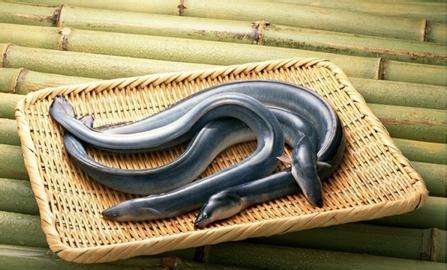
Avoid the mistakes that make frozen eel disappointing
A good unagi don recipe can fail even when the eel itself is high quality. The most frequent errors are simple, and each has a practical fix.
- Mistake: treating cooked kabayaki like raw eel. Long, harsh cooking dries the flesh. Fix: follow product-specific warming instructions and finish only as needed.
- Mistake: adding sauce before the eel is warmed. Extra sauce can run off a cold surface and soak the rice. Fix: warm the eel first, then brush on sauce lightly.
- Mistake: using cold or dry rice. The dish loses contrast when both components are lukewarm. Fix: cook and hold rice so it is ready just before the eel is served.
- Mistake: cutting the eel while it is still firm from freezing. This can tear the flesh and damage the coated surface. Fix: warm according to the product guidance before portioning.
- Mistake: expecting every frozen eel product to taste identical. Sauce level, cut style, roasting method, and eel size can differ. Fix: request specifications and test a sample before setting a menu standard.
Useful food fact: the rice is not just a side. In a classic bowl, it catches a small amount of sauce and balances the rich eel. That is why a heavy pour of tare is usually less successful than a controlled brush on the eel itself. For more sauce troubleshooting, see this guide on why kabayaki sauce is the secret weapon.
Use a buyer checklist for retail, restaurants, and meal planning
For a home cook, an unagi don recipe starts with a package that clearly states its product type and preparation directions. For an importer or restaurant buyer, selection goes further. The right specification affects portion control, labor, menu consistency, and cold-chain planning.
- Confirm the eel format: Select cooked kabayaki for the fastest bowl preparation; choose white-roasted eel only when your kitchen will apply its own sauce system.
- Choose the cut format: Full fillets support a premium bowl presentation. Strips and portions can fit meal kits, casual service, and topping applications.
- Review package design: Vacuum-packed portions can support cleaner inventory control. Confirm pack size, labeling, and handling directions with the supplier.
- Ask for traceability information: Eelpro works with approximately 20 customs-registered eel farming bases covering more than 2,150 mu, with traceability from farm registration through process verification and shipment tracking.
- Check quality-control capability: Eelpro has an in-house laboratory, metal detectors at critical control points, and more than 25 technical and quality-control personnel among its workforce of over 160 employees.
- Match the supply plan to demand: Eelpro operates two production lines with annual finished-goods capacity of 4,000 tons and a 1,000-ton cold-storage facility. Regular order delivery is approximately 30 days from order confirmation to shipment, subject to specification and quantity.
This checklist is especially useful when you are comparing frozen kabayaki with a ready-to-eat retail item. A ready-to-eat product may suit a convenience-focused channel, while a frozen, reheatable product may better suit catering or restaurant operations that want a freshly warmed finish at service.
Match the bowl style to your service scenario
A full-fillet unagi don recipe fits a Japanese restaurant menu, a special family meal, or a premium retail promotion. It gives the diner the familiar visual of long glazed eel over rice. Its limit is cost control: large fillets may not suit every price point or portion plan.
Cut eel is often a better fit for volume service. A lunch counter, meal-prep supplier, or catering operation can use consistent pieces across bowls and reduce waste from uneven cutting. The trade-off is presentation. It will not look exactly like a traditional full-fillet serving, although it can still taste excellent.
For buyers supplying international markets, compliance should remain part of recipe planning. Eelpro’s products are produced under ISO 22000:2018, HACCP, and HALAL-certified systems, with export food producer registration and an SC Food Production License for quick-frozen prepared foods. The company supplies kabayaki eel to Japanese restaurant chains, exports unagi kabayaki and eel sauce to United States importers, and supplies eel products to German, Polish, Australian, Indonesian, and Southeast Asian foodservice and retail channels. These examples show existing market supply experience; they are not a substitute for each buyer’s own import review and product approval process.
For buyers seeking a wider product range, Eelpro also supplies frozen seafood options that may complement Japanese-inspired menu planning. If you want a different eel meal format, this eel rice bowl toppings guide can help you build variations without losing the bowl’s balance.
Frozen kabayaki can make an excellent unagi don recipe when the product is properly selected, carefully thawed, and gently reheated. Keep the rice hot, use sauce lightly, and let the eel remain the center of the bowl.
Request a sample or product specification sheet to choose the right frozen eel format for your menu or retail plan.