


Build an Unagi Don Recipe With Crisp Rice and Glossy Eel
Your eel bowl can fail in the final minutes. Rice turns wet, sauce burns at the pan edge, and beautiful kabayaki loses its shine. This unagi don recipe solves that problem by treating rice, eel, and sauce as separate jobs until the moment they meet in the bowl.
The goal is simple: tender packaged kabayaki eel with a lacquered surface, warm rice with defined grains, and enough sauce to season without flooding the bowl. “Crisp rice” here does not mean fried or hard rice. It means rice that feels light, holds its shape, and offers a gentle contrast to soft eel.
Choose Ingredients That Keep Their Texture Until Serving
Conclusion: Start with plain steamed rice, fully cooked packaged kabayaki, and sauce used in controlled layers. This combination suits home cooks who want restaurant-style contrast without preparing raw freshwater eel. It does not apply if you are starting with raw eel, which needs separate cleaning, deboning, and cooking steps.
A good unagi don recipe begins before heat reaches the pan. The rice should be pleasant on its own. The eel should be reheated gently enough to stay moist. The sauce should be treated as a glaze, not as a cooking liquid.
| Component | Best Choice for a Rice Bowl | Why It Works | When It Does Not Apply |
|---|---|---|---|
| Rice | Freshly steamed short- or medium-grain rice | Its slightly clingy texture supports eel without becoming pasty. | Use firmer long-grain rice only if that is your preferred household style. |
| Eel | Frozen, fully cooked unagi kabayaki | It reduces prep work and lets you focus on reheating and glazing. | It is not a substitute for raw eel in recipes designed around grilling from scratch. |
| Sauce | Unagi tare applied in light coats | Thin coats build shine while limiting excess moisture on rice. | A heavy pour works better for a saucy braise, not for a clean donburi bowl. |
| Garnish | Scallion, sesame, nori, or sansho-style seasoning if available | Dry, aromatic toppings brighten the sweet-rich eel. | Skip wet toppings if the rice is already soft. |
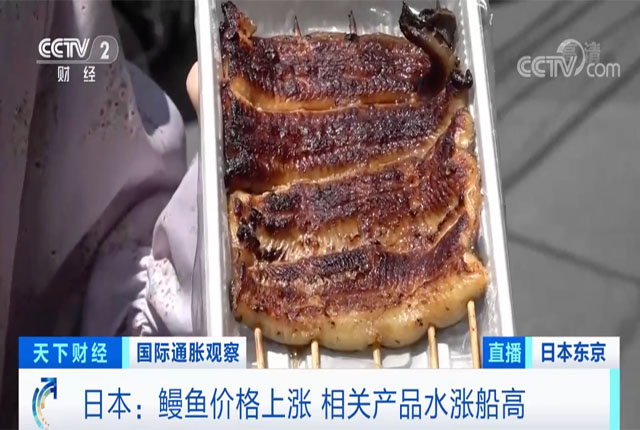
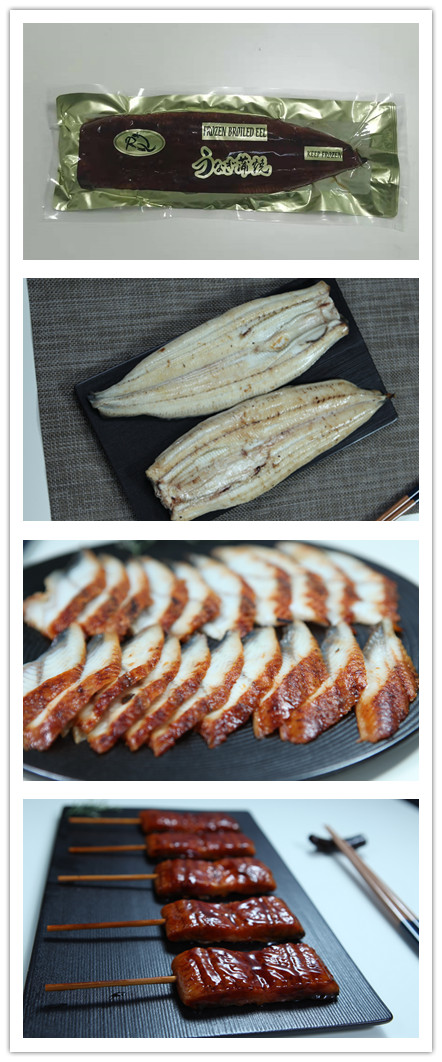
For the eel, use a product that has already been roasted and sauced. unagi kabayaki is especially practical because the core flavor is already built in; your task is to restore warmth and surface gloss, not to create a sauce from nothing. Eelpro produces frozen roasted eel using a four-layer soy-sauce coating process, giving home cooks a prepared starting point for bowl service.
Keep the sauce nearby, but do not open with a large spoonful over the rice. A finished unagi don recipe depends on moisture control. If the bowl tastes under-seasoned at the table, more sauce can be added. If the rice is soaked, there is no easy repair.
Buy and thaw with the final bowl in mind
- Choose portioned eel when possible. A portion that fits the bowl is easier to reheat evenly and easier to glaze without tearing.
- Follow the package thawing and heating instructions. This is the right choice for packaged cooked eel because each format may differ in thickness, sauce level, and packing method.
- Keep the sauce packet separate until needed. Early sauce contact can make a cold eel surface sticky and uneven.
- Use clean utensils for safe handling. Follow the guidance from the U.S. Food and Drug Administration when storing and handling chilled or frozen foods.
A cold bowl makes the rice lose heat too quickly. Warm the serving bowl before plating if your kitchen is cool. This is useful for a relaxed dinner or when serving more than one bowl. It matters less when the bowl will be eaten immediately beside the stove.
Sequence Rice Steaming Eel Reheating and Sauce Glazing to Prevent Soggy Rice and a Burnt Glaze
Conclusion: Steam or cook the rice first, let it settle while covered, reheat the eel second, and glaze only at the end. This sequence protects the rice from steam and sauce runoff while keeping sugary sauce away from prolonged high heat. It is the most reliable method for a home unagi don recipe using packaged kabayaki.
The biggest mistake is trying to finish everything in one pan. Rice absorbs moisture. Sauce darkens quickly. Eel needs warmth before it needs shine. Separate the tasks, then combine them quickly.
- Start the rice first. Rinse and cook it according to the rice type and your cooker instructions. Once cooked, keep it covered so it stays warm, but do not stir it repeatedly. Excess stirring compresses the grains and creates a gummy bowl.
- Prepare the serving items while rice rests. Set out bowls, a brush or spoon for sauce, and dry toppings. This keeps the hot eel from waiting around after reheating.
- Reheat the packaged eel without adding extra sauce at the start. Use the heating method stated on the package. The aim is hot throughout with a soft interior. Reheating first prevents the glaze from scorching before the eel is warm.
- Move the warm eel to a clean finishing surface. Brush or spoon on a light coat of tare. If your cooking method allows brief finishing heat, apply it only after the eel is already hot.
- Build the bowl after glazing. Add rice, then eel, then a small final touch of sauce. Serve at once.
| Step Order | What Happens | Risk Avoided | Checkpoint |
|---|---|---|---|
| Rice cooks first | Rice has time to settle and release excess surface steam. | Wet, compressed rice. | Grains look distinct rather than glossy with trapped moisture. |
| Eel reheats second | The fish warms before sweet sauce is exposed to heat. | Cold center and over-dark exterior. | Eel bends gently and looks moist. |
| Sauce goes on last | The sauce forms a thin shiny finish. | Burnt glaze and pooled liquid. | Surface is glossy, not blackened or dripping. |
| Bowl is assembled last | Rice meets eel immediately before eating. | Soggy rice from standing under sauce. | Steam rises from the bowl, but rice is not submerged. |
This order is especially helpful when serving family members at different times. Keep rice covered, then reheat and glaze each eel portion close to serving. For a buffet-style meal, the method has limits: preassembled bowls will soften as they sit. In that case, hold rice, eel, and sauce separately until each bowl is requested.
Glaze the Eel in Light Coats for a Clean Shine
Conclusion: Use a thin sauce layer on the hot eel, then add another only if the surface still looks dry. A glossy finish comes from layering, not drowning. This suits sweet-savory kabayaki sauce; it does not apply to dry-grilled eel preparations that are meant to remain unsauced.
The sauce has two jobs in an unagi don recipe: it seasons the eel and gives it that deep, polished appearance. It should not become a soup at the bottom of the bowl.
For a ready-made option, use eel sauce as a finishing glaze. If the sauce tastes very concentrated, begin with less than you think you need. You can always offer extra sauce at the table in a small dish. That approach is useful when guests have different preferences for sweetness and saltiness.
Use this quick glaze test
- The sauce clings: The coating stays on the eel in a thin layer. This is the target.
- The sauce runs off: The eel may be too cold or too wet. Reheat it fully according to its package instructions and blot only excess surface moisture if needed.
- The sauce smells sharp or looks overly dark: Stop heating. Sweet sauces can darken quickly. Apply fresh sauce after removing the eel from direct heat instead.
- The rice looks shiny with sauce before eel is added: Use less sauce in the next bowl. The rice should be seasoned lightly, not saturated.
Here is a useful food fact: the impressive shine on kabayaki is not simply “more sauce.” It comes from a thin film of sauce on a hot, dry-enough surface. That is why a restrained hand gives a better-looking unagi don recipe than a heavy pour.
If you are adjusting flavor, work in small changes. A little more tare can correct blandness. Extra sauce cannot correct a burnt edge. For more help with balancing sweetness, saltiness, and thickness, see Why Our Kabayaki Sauce is the Secret Weapon.
Build the Bowl So Every Bite Has Rice Eel and Aroma
Conclusion: Place rice loosely, lay eel across the top, and use dry garnish after the glaze. This gives each spoonful a balanced bite and preserves the eel’s visible finish. It is ideal for a single-serving bowl; it is less suitable for tightly packed meal-prep containers that will be reheated later.
For this unagi don recipe, resist the urge to press rice into the bowl. Spoon it in gently. A packed rice layer traps moisture and becomes dense. A looser layer lets steam escape while still supporting the eel.
- Fill the warm bowl with rice. Leave room at the top so the eel does not sit against the rim.
- Add a restrained drizzle of sauce to the rice only if desired. Think of it as seasoning, not coating.
- Lay the glazed eel over the rice. Place the best-looking side upward.
- Add dry garnish at the last moment. Nori strips, sesame, or sliced scallion bring aroma without adding water.
- Serve immediately. The contrast between warm rice and glossy eel is at its best right away.
A useful variation is to add garnish only to one side of the bowl. That lets diners taste the kabayaki plainly first, then mix in aroma as they eat. If you want more topping ideas that still respect the eel’s texture, see these eel rice bowl toppings.
Fix the Common Problems Before the Bowl Reaches the Table
Conclusion: Diagnose the component that failed instead of adding more sauce or heat to everything. This keeps a small problem from becoming a ruined bowl. The method works for packaged kabayaki; it will not fix eel that has been stored improperly or cooked far beyond its recommended package method.
| Problem | Likely Cause | Immediate Fix | Next-Time Prevention |
|---|---|---|---|
| Rice is soggy | Too much sauce was added before plating. | Place more plain rice in the bowl if available and keep extra sauce off the surface. | Glaze the eel separately and sauce rice lightly. |
| Glaze is burnt | Sauce met high heat before eel was warmed. | Remove from heat and use a fresh, light finishing coat if the eel itself remains tender. | Reheat first, glaze last. |
| Eel is dry | It stayed under heat too long after becoming hot. | Add a small amount of sauce and serve without further cooking. | Prepare bowls and garnish before reheating. |
| Bowl tastes flat | Rice, eel, and garnish lack contrast. | Add a dry aromatic garnish or a small extra touch of tare. | Keep a simple topping ready before cooking. |
| Bowl tastes too sweet | Too much sauce was used at several stages. | Add plain rice and avoid adding more glaze. | Use sauce in layers and taste before adding more. |
The most dependable unagi don recipe is not the one with the most ingredients. It is the one where each part arrives in the bowl at the right moment: settled rice, warm eel, and a final glossy coat. For another approachable packaged-eel method, explore how to cook eel with simple home techniques.
If you are selecting frozen kabayaki or unagi tare for foodservice, retail, or home-focused product development, request a product specification or sample from Eelpro Co., LTD.