


Why Your Unagi Glaze Crystallizes and How to Prevent It
A perfect unagi glaze—or tare—should be a deep, glossy mahogany, coating a piece of grilled eel with a mirror-like sheen. But what happens when that smooth liquid turns into a grainy, sandy mess? As a food safety and quality specialist, I often see this issue arise from small, overlooked details in either the recipe or the handling process. The problem isn't a faulty ingredient; it's a matter of chemistry.
Understanding why an unagi glaze crystallizes is the first step to preventing it. Whether you are a chef in a restaurant chain or a product developer for an import business, achieving a stable glaze is critical for product consistency and customer satisfaction. It all comes down to controlling how sugar molecules behave in a liquid solution.
The Science Behind a Stable Glaze: Sugar, Water, and Heat
At its core, unagi glaze is a supersaturated sugar solution. You create it by dissolving more sugar (typically along with soy sauce, mirin, and sake) in water than would normally be possible at room temperature. This is achieved by heating the mixture. As it cools, the solution becomes unstable, and the sugar molecules want to return to their solid, crystalline state.
This process is called crystallization, and it needs a "seed" or nucleation point to begin. This can be a single undissolved sugar grain, an impurity, or even agitation from stirring at the wrong time. Once a single crystal forms, it triggers a chain reaction, causing sugar molecules nearby to latch on, resulting in the grainy texture that ruins the glaze's appearance and mouthfeel.
In a commercial production environment like ours at Eelpro, we prevent this through precise process control. Our proprietary 4-layer soy-sauce coating process isn't just about flavor; it's a temperature-controlled method that ensures the glaze is applied at the optimal viscosity and temperature to prevent crystallization on the surface of our unagi kabayaki. This is managed under our strict ISO 22000:2018 and HACCP certified systems, ensuring every batch meets export quality standards for markets in Japan, the US, and the European Union.
Troubleshooting Grainy and Crystallized Unagi Glaze
When a glaze fails in your kitchen or facility, it's a frustrating experience that can impact service or production schedules. The cause is almost always related to the sugar-to-liquid balance, temperature, or handling. Use this diagnostic guide to identify and fix the root cause.
As a quality auditor, I approach this with a systematic checklist. Start with the most likely culprits first.
| Symptom | Probable Cause | How to Diagnose | Solution & Prevention |
|---|---|---|---|
| Fine, sandy texture throughout the glaze after cooling. | Premature crystallization from "seed" crystals or agitation. | Check the sides of the cooking pot for dried sugar crystals. Was the glaze stirred or moved excessively while it was cooling? | Solution: Gently reheat the glaze with a tablespoon of water, stirring only until the crystals dissolve. Do not boil. Prevention: Wipe down the sides of the pot with a wet pastry brush during cooking to dissolve any stray crystals. Let the glaze cool completely undisturbed. |
| Large, hard sugar crystals form at the bottom of the container. | Incorrect sugar-to-liquid ratio. The solution was over-reduced, making it too concentrated. | Is the glaze exceptionally thick and hard to pour at room temperature? This indicates too much water has evaporated. | Solution: Add a small amount of liquid (water or mirin) and gently reheat to dissolve the crystals. Prevention: Use a recipe that measures ingredients by weight, not volume, for accuracy. Control the reduction carefully; do not let it boil aggressively for too long. |
| The glaze becomes cloudy, opaque, or solidifies when reheated. | Thermal shock. Reheating too quickly or at too high a temperature forces rapid crystallization. | Was the glaze microwaved on high power or added directly to a very hot pan from the refrigerator? | Solution: Lower the heat immediately and stir gently until smooth. If badly seized, add a touch of warm water. Prevention: Always reheat glaze gently. Use a double boiler or a saucepan on the lowest possible heat setting. Avoid microwaving if possible. |
| The glaze never thickens properly, even after cooling. | Under-reduction. Not enough water has evaporated to create a supersaturated solution. | The glaze remains thin and watery, failing to coat a spoon. | Solution: Return the glaze to the stove and continue to simmer gently until it reaches the desired consistency. Prevention: Learn the visual cues for doneness, such as the glaze forming a film on the back of a spoon or bubbles becoming larger and slower. For more details on recipe tuning, see our guide on how to fix kabayaki sauce flavor mistakes. |
A Buyer's Checklist for Sourcing Consistent Frozen Unagi Kabayaki
While fixing a homemade glaze is one thing, foodservice and retail buyers cannot afford inconsistency. When sourcing prepared products like frozen unagi kabayaki, the stability of the glaze is a critical quality parameter. It affects everything from visual appeal in the package to performance in a professional kitchen. Here is a checklist I use when evaluating suppliers to ensure they can deliver a reliable product.
- Verify Food Safety & Quality Certifications. A supplier must have internationally recognized certifications. At a minimum, look for ISO 22000:2018 and a functional HACCP system. These frameworks mandate strict process controls for temperature, time, and ingredient ratios, which are essential for creating a stable glaze. Our facility is also HALAL certified and holds an Export Food Producer Registration Certificate.
- Confirm Full-Chain Traceability. Glaze consistency starts with raw material consistency. A reliable supplier should have full control over their supply chain. We manage this through our network of ~20 customs-registered eel farms, providing complete traceability from the farm to the final shipment.
- Assess In-House Laboratory Capabilities. Does the supplier rely solely on third-party testing, or do they have their own lab for real-time quality checks? Our in-house lab and 25 quality-control specialists monitor our products at critical control points, ensuring the physical and chemical properties of our glaze meet specifications for every batch.
- Inquire About Production Technology. Ask about the equipment and processes used. Advanced technology can produce a more stable product. For example, our patented low-fat roasting and deodorizing equipment is integrated with our 4-layer glazing process to ensure perfect adhesion and a lasting glossy finish.
- Review Cold Chain Management. A stable glaze can still be damaged by temperature fluctuations during storage and transit. Ensure the supplier has robust cold-chain logistics. Our 1,000-ton on-site cold storage facility maintains product integrity from the moment it leaves our production line.
How Glaze Consistency Impacts Different Eel Product Cuts
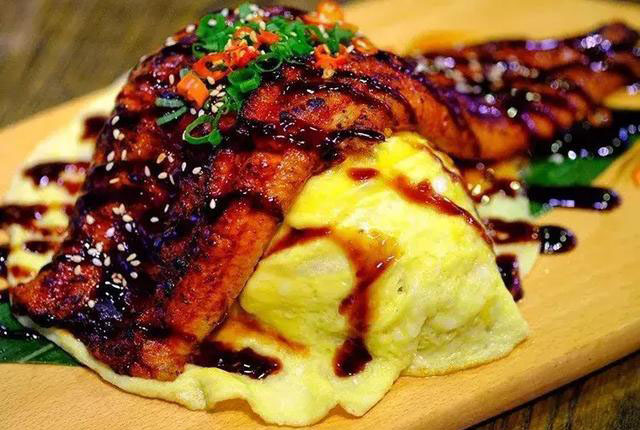
The ideal glaze is not one-size-fits-all. The required viscosity and adhesion properties change based on the final application. A thick, heavy glaze that works well for a hearty eel rice bowl (unadon) might overwhelm the delicate texture of thin unagi slices used for sushi. For importers and distributors serving diverse foodservice clients, sourcing from a manufacturer who understands this is key.
At Eelpro, we offer various custom cutting specifications, and the glaze is adapted accordingly:
- Sushi Slices: Require a thinner, highly adhesive glaze that provides a brilliant sheen without making the rice soggy.
- Center-Cut Chunks (for Skewers/Donburi): Can support a thicker glaze that caramelizes well under a salamander or broiler.
- Shredded or Diced Eel (for Fillings/Toppings): Needs a glaze that coats evenly without clumping, ensuring easy separation and distribution.
Our production lines can handle these variations, and we work with clients to define the perfect glaze consistency for their target market. This flexibility is supported by our 4,000-ton annual production capacity, allowing us to accommodate differentiated MOQ policies for catering chains, wholesale clients, and export traders across Australia, Indonesia, and Southeast Asia.
Ultimately, a stable, beautiful unagi glaze is a sign of a high-quality, professionally manufactured product. It reflects a deep understanding of food science and a commitment to rigorous process control, from the farm to the final package.
If you require frozen unagi kabayaki with a consistently stable and glossy glaze that performs reliably in commercial kitchens, contact our export team to discuss your specifications and request a product sample.