





Why Your Eel Sushi Recipe Can Fall Apart Right After You Plate It
You glazed the eel perfectly. The kabayaki color looks right. Then you press it onto the rice — and it slides off the moment you lift the plate. Sound familiar? This isn't a cooking failure. It's a rice problem. Most people troubleshooting an eel sushi recipe blame the glaze or the fish. The real issue usually sits in the rice ball underneath: its temperature, its moisture, and how it was shaped in the final seconds before serving.
The Real Culprit Isn't the Eel — It's Rice Temperature and Moisture
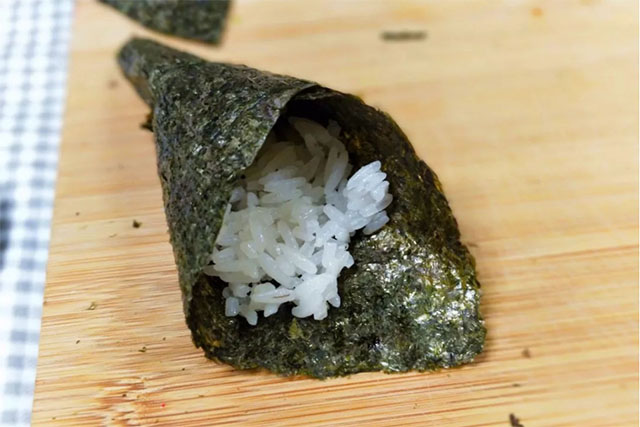
Sushi rice, called shari in Japanese kitchens, only holds shape within a narrow window. Once it drifts outside that window — too hot, too cold, too wet, too dry — the surface starch stops gripping itself. Add a heavy, glazed topping like kabayaki eel, which is naturally slick with sauce, and the nigiri has almost nothing left to hold on to.
This matters more for eel nigiri than for tuna or salmon nigiri, because kabayaki glaze is thicker and oilier than raw fish. A thin layer of eel sauce sits between the fish and the rice, acting almost like a lubricant. If the rice ball isn't firm enough to resist that slide, the whole piece falls apart in your hand or on the plate — and no amount of extra glaze will fix that at the plating stage.
Boundary Guide to Rice Temperature and Moisture Levels That Cause Glazed Eel Nigiri to Slip or Lose Shape
Work through diagnosis in this order — temperature first, moisture second, glaze thickness third, hand pressure last. Checking in this sequence matters because a temperature problem often masks a moisture problem, and fixing the wrong one wastes a whole batch of rice.
| Rice Temperature | Moisture Condition | What Happens | Fix |
|---|---|---|---|
| Below 27°C (80°F) | Normal | Surface starch stiffens too fast; grains won't re-bond, nigiri crumbles when lifted | Work in small batches; keep rice under a damp cloth; shape within 20 minutes of vinegar mixing |
| 27–37°C (80–98°F) | Balanced | Target zone — rice bonds well and holds shape under a light glaze | No action needed; shape immediately |
| Above 40°C (104°F) | Normal to wet | Rice over-compresses when shaped; surface turns mushy, glaze slides off the softened top layer | Rest rice 5–8 minutes after mixing vinegar before shaping |
| Any range | Over-hydrated (excess cooking water) | Rice turns gummy; glaze can't grip an uneven, sticky surface; nigiri slumps sideways within minutes of plating | Re-check rice-to-water ratio next batch; drain rice longer before steaming |
| Any range | Under-hydrated (dry, hard grains) | Rice won't compress into a ball; grains separate under the weight of the eel strip | Add a light mist of warm water, re-cover, and let steam absorb for 2–3 minutes |
Quick judgment checks once the table doesn't fully explain the symptom:
- Nigiri crumbles when lifted → rice too cold or too dry. Check temperature first.
- Nigiri flattens and glaze runs off the sides → rice too hot or overly wet.
- Eel slides off cleanly but the rice ball itself stays intact → glaze layer too thick, or the fish wasn't pressed at a slight angle to seat into the rice.
- Rice sticks to your hands but not to itself → hands too wet with plain water instead of tezu (vinegar water); not a rice defect.
Step-by-Step: Shaping Eel Nigiri So the Glaze Grips Instead of Slides
This sequence works for any eel sushi recipe built around kabayaki-style glaze, whether you're using a home-broiled fillet or a factory-roasted frozen kabayaki eel.
- Pull rice from the cooker and shape within about 15 minutes of mixing in sushi vinegar, while it's still warm.
- Wet your hands with tezu (vinegar water), never plain water — plain water dilutes the surface starch that holds the grains together.
- Scoop roughly 20g of rice and shape it with two light presses, not a squeeze. Overworking the rice makes it dense and slippery.
- Press a shallow center dent into the rice oval to increase contact area for the eel strip.
- Warm the eel strip slightly before placing it — cold glaze hardens and won't seat properly into the rice.
- Lay the eel on at a slight diagonal, then run one finger along the edges once to seal contact between fish and rice.
- Serve within 3–5 minutes of assembly. After that window, the glaze starts to firm and separate from the rice starch, which is why eel nigiri doesn't hold up as a make-ahead item.
Common Mistakes That Wreck an Otherwise Good Eel Sushi Recipe
- Refrigerating shaped sushi rice — cold storage stiffens the starch structure permanently. Keep rice at room temperature, covered, until use.
- Over-glazing before plating — a thick, uneven coat prevents rice contact. Use a sauce with steady viscosity; this is one reason the coating consistency in a properly made kabayaki sauce matters as much as your rice technique.
- Pressing rice too hard "to make it hold" — this compacts the grains into a dense, slick surface that the glaze skids across instead of gripping.
- Skipping the rest period after steaming — uneven hot and cold pockets in the rice produce patchy, inconsistent nigiri across a batch.
- Cutting the eel piece too thick for the rice base — creates a weight imbalance, and the nigiri tips over on the plate.

Choosing the Right Kabayaki Eel for a Sushi Night or Menu Trial
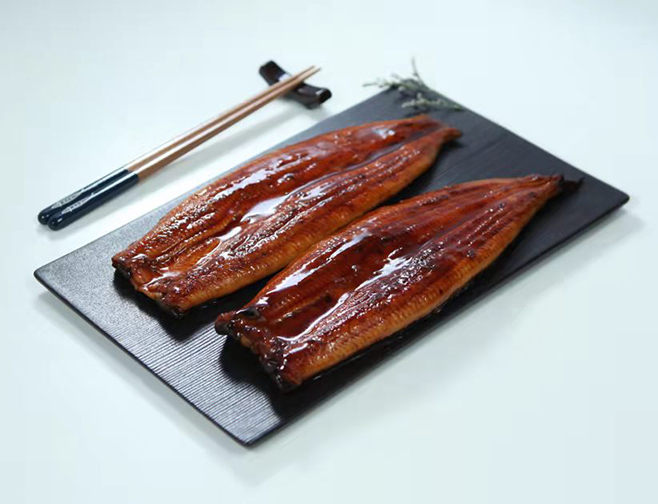
For home batches or small foodservice trials, factory-processed frozen kabayaki eel usually performs better for nigiri than same-day home-broiled eel, mainly because the glaze has already set through a controlled process instead of an inconsistent home broiler.
| Attribute | Home-broiled fresh eel | Factory-processed frozen kabayaki eel |
|---|---|---|
| Glaze consistency | Varies batch to batch | Applied through a controlled, layered soy-sauce coating process |
| Fat content control | Depends on the cut and broil time | Managed through low-fat roasting methods before freezing |
| Cold-chain stability | Must be used same day | Holds quality through proper frozen storage and thaw |
| Suitable for nigiri pressing | Inconsistent glaze grip | Steadier surface for rice contact once thawed to room temperature |
If you're sourcing beyond a single dinner — say, testing a menu item for a small restaurant — it's worth working with a certified frozen eel supplier rather than sourcing loose fillets from a general seafood counter. Cut consistency directly affects how your nigiri holds shape.
Buyer's Checklist Before You Order Kabayaki Eel for Sushi Service
- Confirm certification — ISO 22000:2018 and HACCP at minimum; HALAL if you're serving a mixed-diet guest list.
- Ask about the roasting process — a four-layer soy-sauce coating with temperature-controlled steps produces a steadier glaze than a single-dip coating, which reduces slippage on rice.
- Check cold-chain handling — a supplier running a dedicated cold storage facility manages temperature swings better than a small-batch cold room, which affects glaze texture after thawing.
- Request a traceability record — farm-to-shipment tracking matters if you're supplying a restaurant group, not just a weekend dinner. Suppliers with an in-house food safety lab and certified farming bases can usually document this on request.
- Ask for a small sample batch before committing to a bulk order, so you can test nigiri assembly with your own rice recipe before scaling up.
This is roughly the same set of criteria that Japanese restaurant chains and US food importers already run through when qualifying a kabayaki supplier for repeat orders — certification first, roasting process second, cold-chain third.
If you're testing an eel sushi recipe for a home dinner or a small menu trial and want eel that holds its glaze consistently under rice pressure, you can request a sample of frozen kabayaki eel or ask for a spec sheet covering cut style — block, strip, or nigiri-ready slices — matched to your rice technique. For more plating ideas once the rice problem is solved, our guide to unakyu maki covers a roll-based alternative that's more forgiving for beginners.
 WhatsApp
 sales@chinaeels.com
 +8619937922411