

Eel Sushi Recipe: Reheat Kabayaki Gently for Moist, Glossy Sushi Eel
You pull a bag of frozen kabayaki from the freezer, microwave it for a minute, and the eel comes out tough, dry at the edges, glaze gone sticky-black. Sound familiar? Most home cooks ruin good eel right here — not at the sushi rolling stage, but at the reheating stage. This eel sushi recipe guide fixes that one mistake, and once it's fixed, everything downstream — the maki, the nigiri, the donburi — tastes like it came from a real izakaya counter.
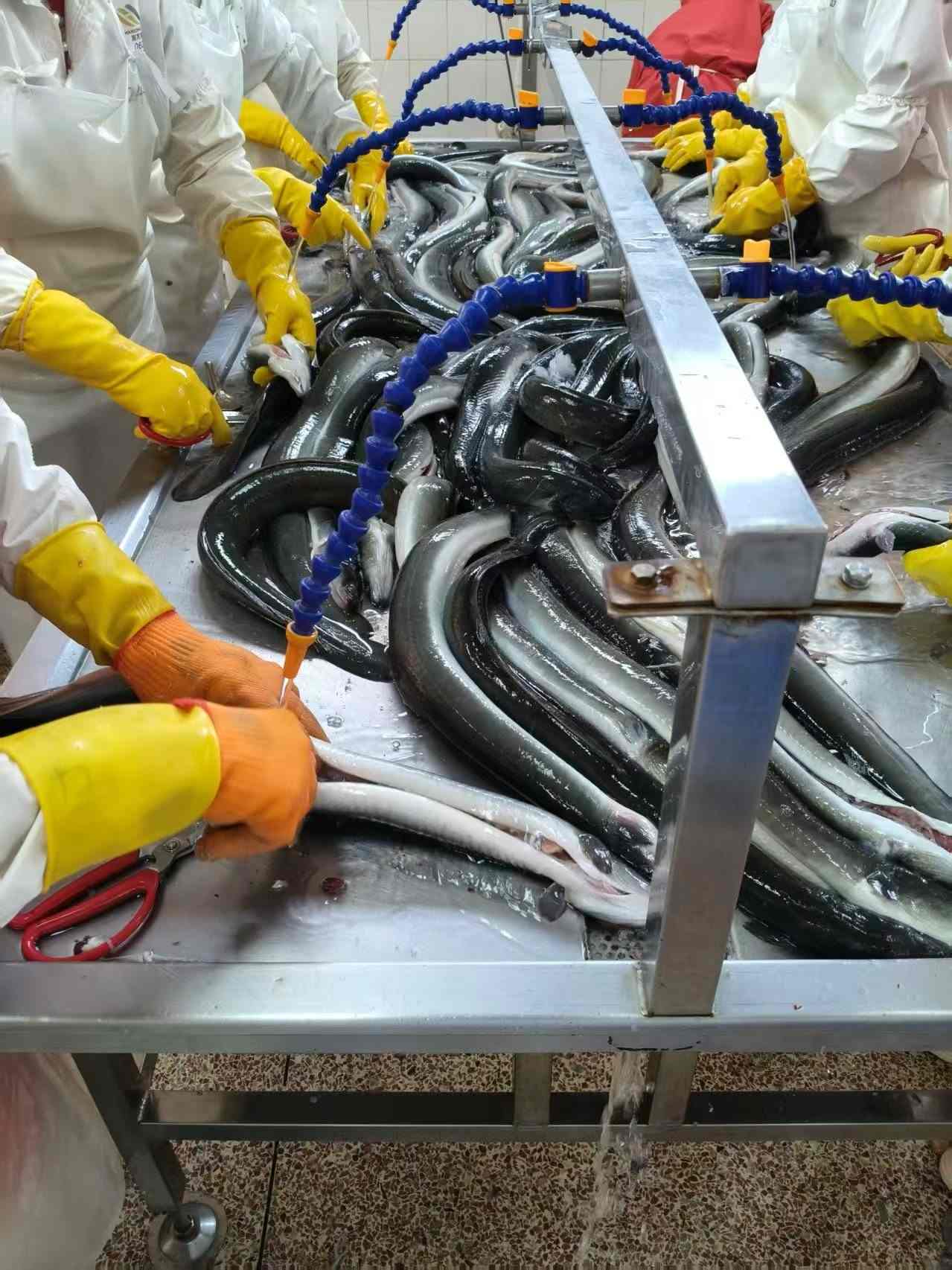
The eel itself is rarely the problem. Pre-cooked kabayaki, whether store-bought or from a supplier like Eelpro, is already fully roasted and glazed before freezing. The damage happens when home cooks blast it with dry, high heat and skip the moisture step entirely. Fix the reheat, and you fix the sushi.
Why Kabayaki Dries Out So Easily
Kabayaki eel is thin — usually under 1.5 cm at its thickest — and it's already been through one round of high-heat grilling during production. That first roast set the fat, caramelized the soy glaze, and cooked the flesh through. Reheating is not cooking. It's warming. Treat it like the first bake and you'll toughen the proteins a second time, squeezing out moisture the fish can't get back.
- Thin fillets lose moisture fast — surface area to thickness ratio is high, so dry heat pulls water out in under 2 minutes.
- The glaze burns before the center warms — sugar in unagi tare scorches around 170°C (338°F), well before the eel's internal temp rises enough.
- Freezer moisture loss compounds the problem — thawed fillets already sit a bit drier than fresh-roasted ones, so they have less margin for error.
How Covered Steaming Followed by a Brief Broil Keeps Kabayaki Moist
This is the method that actually works, and it's the one used in most professional kitchens serving unagi don or eel sushi. Two stages, two different jobs: steam rehydrates, broil re-crisps the glaze.
Step-by-Step Procedure
- Thaw properly first. Move frozen kabayaki to the refrigerator 8–12 hours before use. Never thaw at room temperature — bacterial risk aside, uneven thawing means uneven reheating later.
- Add a moisture layer. Place the fillet skin-side down in a heatproof dish. Add 1–2 tablespoons of water, sake, or eel sauce to the dish — not directly on the fillet, but underneath or around it.
- Cover tightly. Use foil or a lid. This traps steam so the eel warms from moist heat, not dry oven air.
- Steam at 150°C (300°F) for 6–8 minutes. This step brings the internal temperature up gently — checkpoint: the fillet should feel warm through, not hot, and still look glossy, not shriveled.
- Uncover and brush. Remove the foil. Brush a thin, fresh layer of eel sauce over the top.
- Broil for 60–90 seconds. Position the fillet 10–12 cm below the broiler. Watch it the entire time — this step is fast, and the difference between glossy and burnt is often 20 seconds.
- Rest for 2 minutes before slicing. This lets juices redistribute, which matters more for sushi than for donburi since you're cutting thinner pieces.
Common Failure Points
| Mistake | Why It Happens | Fix |
|---|---|---|
| Microwaving straight from frozen | Uneven heat, no moisture control | Thaw first, steam-then-broil instead |
| Skipping the cover during steaming | Steam escapes, fillet dries like an oven-bake | Always foil or lid the dish |
| Broiling too long "to be safe" | Sugar in the glaze scorches fast | Set a timer for 60 seconds, check at 45 |
| Adding sauce before steaming | Glaze thins out and drips off during steam | Brush sauce only right before broiling |
Buying the Right Kabayaki Before You Even Reheat It
Reheating technique only gets you so far if the eel was mediocre going in. A few checks before you buy save you from disappointment later.
- Check the glaze color. A properly roasted kabayaki should show a deep amber-brown, not black. Overly dark glaze usually means it was scorched during production, and no amount of careful reheating fixes that.
- Look at fat marbling. Thin white streaks running through the flesh indicate good fat content — this is what keeps the fillet from drying out even after freezing and reheating.
- Confirm the source is food-safety certified. Products from facilities holding ISO 22000 and HACCP certification, like Eelpro's production lines, go through documented control points — this matters for anyone importing for restaurant or retail use, not just flavor but compliance.
- Ask about cutting specs if buying wholesale. Suppliers offering shredding, dicing, or sushi-slice cuts save prep time — worth asking about if you're outfitting a sushi counter rather than cooking at home.
Building the Eel Sushi Roll Once the Eel Is Warm
Once your kabayaki is reheated and rested, assembly is where speed matters. Cold rice ruins warm eel's texture contrast, so keep your sushi rice at room temperature, not fridge-cold.
Quick Assembly Checklist
- Slice kabayaki into strips roughly 1 cm wide — thinner slices roll cleaner and heat more evenly if you're warming pieces individually.
- Lay eel skin-side up for maki rolls; this gives a more even glaze presentation once cut.
- Add sliced cucumber for the classic unakyu combination — the crunch offsets the eel's soft texture.
- Brush a final light coat of eel sauce after rolling, not before — pre-saucing makes the nori soggy.
- Serve within 30 minutes of assembly for the best texture; sushi rice stiffens as it cools further.
For a step-by-step on rolling technique itself, the guide on how to make unakyu maki covers knife angles and rice-to-eel ratios in more detail than we can fit here.
Cold-Storage and Sourcing Notes for Bulk Buyers
If you're sourcing kabayaki for a restaurant or catering operation rather than a single home meal, storage conditions before it ever reaches your kitchen matter as much as your reheating method. Eel held in proper cold-chain conditions — Eelpro's facility runs a 1,000-ton cold storage operation specifically for this — arrives with less freezer burn and more consistent moisture content. That translates directly into fewer dry, tough fillets on the reheating end.
| Storage Condition | Effect on Reheated Texture |
|---|---|
| Consistent -18°C cold chain | Minimal ice crystal damage, moisture retained |
| Temperature fluctuation during transit | Increased freezer burn, drier texture after reheating |
| Vacuum-sealed skin packaging | Reduces oxidation, glaze stays glossier |
For traceability-conscious buyers, it's worth asking suppliers whether their eel comes from certified farming bases with documented process verification — this is standard for exports meeting Japan, US, and EU inspection requirements, and it tends to correlate with better raw material quality overall.
Cold-Knowledge Corner: Why "White-Roasted" Eel Reheats Differently
Not all kabayaki is pre-glazed. Some producers sell "white-roasted" eel — grilled but without the soy sauce coating — meant to be sauced fresh by the buyer. If you've bought this type by mistake thinking it was standard kabayaki, don't steam-then-broil it the same way. White-roasted eel benefits from a light oil brush before steaming, since it lacks the sugar-glaze layer that helps standard kabayaki hold moisture during reheating. Check the packaging description carefully — this distinction trips up a surprising number of first-time buyers.
The role of the tare sauce itself is worth understanding too — a well-balanced unagi glaze isn't just flavor, it's part of what protects the fillet's surface moisture during that final broil.
Ready to Source or Sample Kabayaki for Your Kitchen?
If you're testing recipes at home, request a small sample pack to compare glaze consistency and fat marbling before committing to a bulk order. Restaurant buyers and importers can request a spec sheet covering cutting formats, packaging options, and cold-chain documentation directly from Eelpro. Drop your questions in the comments below, or check the related reheating and rolling guides linked above for more technique details.