

Why Your Eel Sushi Recipe Turns the Rice Mushy and How to Fix Tare Timing
You glazed the eel, plated it over rice, and thirty minutes later the whole thing looks like wet sand. If this sounds familiar, you're not alone. The culprit is almost never the rice itself — it's when and how much tare (eel sauce) touches the rice. Get the timing wrong and even a perfect eel sushi recipe collapses into a soft, sticky mess before your guests sit down.
This happens more often than people admit, especially with home-grade kabayaki eel that hasn't been pre-glazed under controlled heat. Below is a diagnosis-first breakdown: what to check, what each symptom actually means, and the specific fix for it.
The Diagnosis Order — Check These Before You Blame the Rice
Before adjusting your vinegar ratio or rice variety, rule out tare handling first. In our experience working with restaurant-grade kabayaki, texture failure follows a predictable order of causes:
- Check the eel temperature first. Was the eel hot when it touched the rice? Hot glaze spreads faster and soaks deeper.
- Check the tare application timing. Was sauce brushed on before or after the eel rested?
- Check the sauce viscosity. Thin, watery tare penetrates rice grains almost instantly; thick tare sits on the surface longer.
- Check the rice moisture level going in. Rice already at the wet end of seasoning has almost no buffer left.
Most mushy-rice complaints trace back to step 1 or step 2 — not the rice recipe. If you've confirmed vinegar ratio and rice cooking are correct, the sauce timing is your problem.
Boundary: When Tare Turns Rice Soft, and How to Correct Each Failure Point
There's a real boundary between "glazed and glossy" and "soggy and collapsing." Tare applied too early, too hot, or too heavily crosses that line every time. Here's how to identify which failure you're dealing with, and the fix for each.
| Symptom | What It Points To | Correction |
|---|---|---|
| Rice turns gray/translucent within 5 minutes | Tare applied while eel was still above 60°C — sauce liquefies and drains into rice | Let glazed eel rest 3-4 minutes at room temperature before plating on rice |
| Rice grains stick together in clumps under the eel | Sauce layer too thick — over-brushed in one pass | Apply tare in 2 thin coats with a light second flash-grill, not one heavy coat |
| Whole rice bed feels wet, not just under the eel | Tare added before rice fully cooled to seasoning temperature (~body temp) | Season and cool rice completely first; glaze eel separately, combine last |
| Edges of nigiri collapse but center holds | Sauce pooling — eel plated directly from the glazing pan without draining | Rest glazed eel on a rack for 60-90 seconds to let excess tare drip off |
| Sushi is fine at service but mushy after 20+ minutes | Tare's sugar content is drawing moisture out over time (osmosis effect) | Assemble no more than 10-15 minutes before serving; hold rice and eel separately until then |
The one-line rule to remember: tare should touch rice cold-to-cold or warm-to-cool, never hot-to-warm. Every failure point above traces back to breaking that rule.
A Concrete Worked Example: Fixing a Failed Batch
Say you glazed 500g of frozen unagi kabayaki straight from a 200°C oven, brushed tare on twice while it was still steaming, then set it immediately on freshly seasoned sushi rice. Ten minutes later, the rice underneath is paste. Here's the fix sequence for next time:
- Step 1: Pull eel from oven, brush first tare coat, return to oven 2 minutes at reduced heat.
- Step 2: Brush second tare coat, then rest on a wire rack — not a plate — for 3 minutes.
- Step 3: Season and cool rice to room temperature ahead of time, ideally 10 minutes before eel is ready.
- Step 4: Slice eel, plate on rice, serve within 15 minutes.
This sequence isn't a universal guarantee — humid kitchens or thinner rice beds may still need an extra minute of rest time. But it corrects the four most common failure points listed above.
Common Mistakes That Compound the Mushy-Rice Problem
- Reusing glazing pan drippings as extra sauce — this liquid is thinner and hotter than bottled tare, and speeds up soaking.
- Double-dipping eel in sauce for "extra shine" — visually appealing but adds moisture the rice can't absorb evenly.
- Assembling sushi ahead for a party — great for time management, bad for texture after 20 minutes.
- Using tare straight from the fridge on hot eel — the temperature clash doesn't fix moisture transfer, it just slows it slightly.
- Skipping the rack-rest step entirely — this is the single most skipped step and the most common cause of edge-collapse.
Choosing the Right Tare Consistency for Your Setup
Not all eel sauce behaves the same on rice. If you're sourcing or comparing bottled tare, viscosity matters as much as flavor. A properly reduced eel sauce made through a slow soy-based reduction holds its glaze on the eel surface longer than a thin, unreduced version — meaning less bleed-through onto rice. Buyer's checklist when comparing tare products for a sushi program:
- Does the sauce cling to a spoon for 2-3 seconds before dripping, or does it run off instantly?
- Is the color deep amber-brown (properly reduced) or pale and thin (under-reduced)?
- Does the label mention layered soy-sauce coating steps, which typically indicate a thicker, more stable glaze?
- Is the eel pre-glazed and frozen (like frozen unagi kabayaki), which lets you control the reheat-and-rest timing yourself?
This matters most for foodservice volume — a thinner sauce might be fine for a quick home meal eaten immediately, but it's a liability for any dish held more than 10 minutes before serving.
Rice Prep Details That Interact With Tare Timing
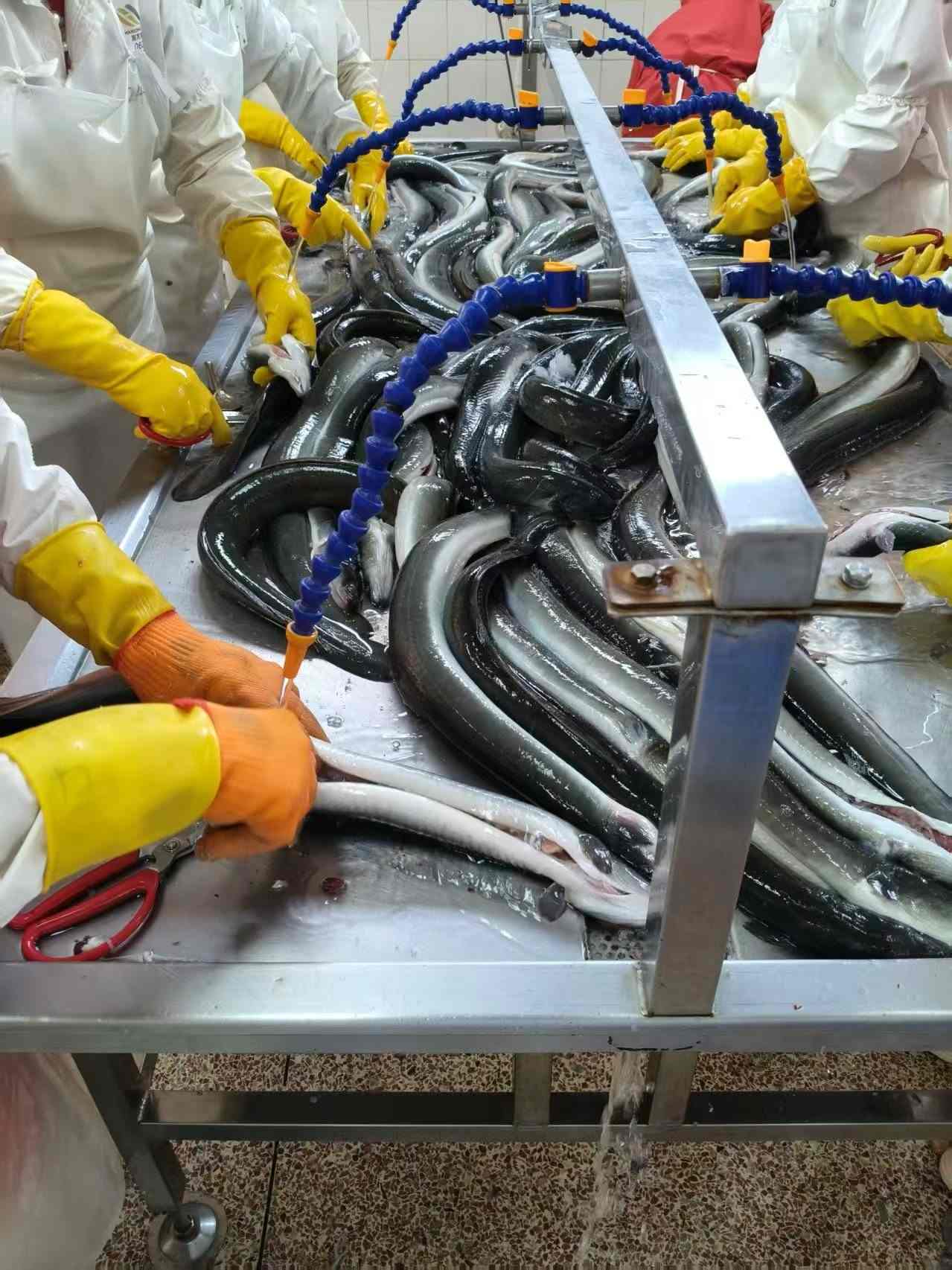
Rice texture problems aren't purely a sauce issue — how you cooked and seasoned the rice sets your margin for error. A properly made batch of eel-based dishes or sushi rice typically follows the same seasoning logic as traditional sushi-zu (vinegar seasoning), where rice is fanned and cooled to close to body temperature before anything else touches it. If your rice is still warm when eel is placed, you've already used up half your moisture buffer before the tare even factors in. For readers newer to eel prep entirely, our guide on cleaning, skinning, and deboning eel covers the upstream steps that affect how much oil and moisture the eel carries into the glazing stage — which also affects how the tare sits.
When This Fix Does Not Apply
These corrections apply specifically to nigiri and donburi-style plating where rice and glazed eel sit in direct contact. If you're making eel sushi rolls (unakyu maki), the nori layer acts as a moisture barrier, so tare timing is less critical — you have more room to season roll rice a bit earlier. Similarly, if you're serving eel over hot rice in a donburi bowl deliberately (some regional styles do this on purpose), the "mushy" texture is expected and part of the dish, not a mistake.
Understanding umami balance also helps here — tare's sweetness and saltiness are calibrated to coat, not soak, so any recipe pushing tare quantity up for more flavor should compensate with shorter contact time.
Quick Reference for Home Cooks
| Situation | Safe to Glaze-and-Plate Immediately? |
|---|---|
| Serving within 5 minutes, rice fully cooled | Yes |
| Serving within 15-20 minutes | Only if eel rested 3+ minutes first |
| Preparing for a party, plated 30+ minutes ahead | No — assemble just before serving instead |
| Using thin, unreduced sauce | No — switch to a thicker glaze or reduce contact time further |
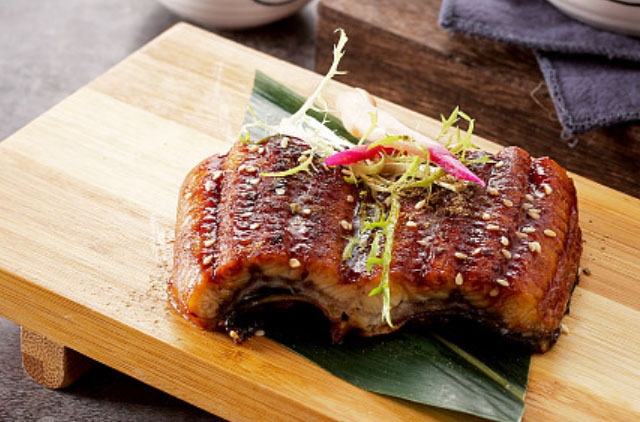
Once you isolate temperature and timing as the real variables, most eel sushi recipe failures stop being mysterious. The rice was never the problem — the sauce just arrived too hot, too early, or too heavy.
If you're testing kabayaki eel or tare for a menu and want to check glaze consistency before committing to a bulk order, we can send product specs or a sample for evaluation — just reach out with your intended serving format.