


Why Your Vegan Eel Sauce Recipe Gets Too Thick and How to Fix It Fast
You simmered it, you tasted it, it looked glossy and perfect on the spoon. Then it sat in the fridge overnight. Now it's a dark, sticky block that won't pour over rice without a fight. If this sounds familiar, your vegan eel sauce recipe probably went through one of three common failure points — and all three are fixable in under five minutes.
This guide walks through exactly what causes the over-thickening, how to tell which cause is yours, and the specific steps to bring the sauce back to a pourable, glossy state without breaking the flavor balance.
What Actually Makes Vegan Eel Sauce Thicken
Traditional unagi tare relies on reduced soy sauce, sugar, and sometimes mirin, simmered until the liquid concentrates and coats a spoon. Vegan versions follow the same logic, but swap in plant-based sweeteners and sometimes kombu or mushroom stock for depth. Three mechanisms drive thickness:
- Sugar concentration — as water evaporates during simmering, sugar molecules crowd closer together, raising viscosity even before cooling.
- Starch or gum additives — some recipes add a cornstarch slurry for extra shine; too much turns the sauce gelatinous once it cools.
- Temperature drop — sugar-heavy liquids behave like honey: fluid when warm, stiff when cold. This is physics, not a mistake, but it still needs a fix before plating.
Diagnosing the Cause: Over-Reduction, Sugar Choice, or Cooling
Before reaching for water or a reheat pan, check the sauce in this order. Guessing the wrong cause means you'll either under-fix it or wreck the flavor balance by overcorrecting.
| Check First | What You Observe | Likely Cause | Correct Fix |
|---|---|---|---|
| 1. Is it thick even while still warm? | Dark color, almost black, slightly bitter edge | Over-reduction — simmered past the target volume | Add warm water in small amounts, rebalance with a splash more soy sauce |
| 2. Did it turn syrupy only after cooling? | Cloudy edges, crystallized sugar on the rim | High-sugar substitute (maple syrup, coconut sugar) | Reheat gently and dilute; these sugars hold more water when warm |
| 3. Is it pourable when warm, solid when cold? | Returns to liquid the moment it's reheated | Normal cooling thickening — not a cooking error | Reheat to around 160°F (70°C) before serving |
Checking in this order matters because over-reduction and cooling thickness look almost identical at room temperature. The giveaway is behavior at heat: true over-reduction stays thick even above 160°F, while cooling thickness loosens immediately.
Boundary Cases — When Each Fix Does and Doesn't Work
Not every thick sauce responds the same way to dilution. Here's where the line sits for each cause:
Over-Reduction
What happened: the sauce simmered 10–15 minutes longer than the recipe called for, concentrating both sugar and sodium past the intended ratio.
Fix: whisk in warm water, one tablespoon at a time, off heat, tasting after each addition. Stop once the sauce coats the back of a spoon but still drips off in a steady stream.
Limit: if reduction went more than 30% past target, dilution restores texture but the flavor stays saltier and more bitter than the original batch. In that case, add a small amount of fresh sugar and a few drops of rice vinegar to rebalance, rather than relying on water alone. For a deeper look at balancing soy, sugar, and acid ratios, see this guide on fixing common sauce flavor mistakes.
High-Sugar Substitutes
What happened: maple syrup, coconut sugar, or date syrup were used instead of refined sugar. These hold more water structure when warm and release it as they cool, producing a stickier, almost taffy-like set.
Fix: gentle reheating to about 150–160°F loosens the structure; add 1 teaspoon of water per quarter-cup of sauce while whisking.
Limit: this fix does not work well if the sauce has crystallized sugar visible on the surface — that means the sugar has recrystallized out of solution, and no amount of water reheating will fully re-dissolve it. At that point, strain the sauce and make a fresh small batch to blend in.
Cooling-Related Thickening
What happened: nothing went wrong. Sugar-based sauces naturally thicken 2–4x in viscosity between 160°F and refrigerator temperature.
Fix: reheat gently in a small saucepan or microwave in 10-second bursts, stirring between each.
Limit: repeated reheating and cooling cycles (more than 3–4 times) will eventually darken the sauce and concentrate it further, pushing it toward true over-reduction. Portion the sauce into small containers before storing so you only reheat what you need.
Step-by-Step: Restoring Pourable, Glossy Texture
- Scoop the thickened sauce into a small saucepan over low heat.
- Add warm water, starting with 1 teaspoon per quarter-cup of sauce.
- Whisk continuously for 30 seconds before adding more liquid.
- Heat to around 160°F (70°C) — hot enough to loosen sugar bonds, not so hot it scorches.
- Test by lifting a spoon: the sauce should form a thin, even ribbon, not a drip-and-stop pattern.
- Taste and adjust — a few drops of soy sauce if it's gone too sweet from the water addition.
Common Mistakes When Thinning Eel Sauce
- Adding cold water directly — this seizes the sugar and creates lumps instead of a smooth blend. Always warm the water first.
- Overheating to "melt" thickness — pushing past 180°F risks caramelizing the sugar further, making the sauce thicker once it cools again.
- Diluting before diagnosing — adding water to an over-reduced sauce without rebalancing soy and sugar leaves a thin, flat-tasting result.
- Skipping the ribbon test — relying on sight alone, the sauce can look glossy hot but set hard once plated.
For readers building a full glaze or marinade system rather than a single fix, this make-ahead and storage guide covers how to batch-cook sauce without hitting these thickness problems at all.
Buyer's Checklist: When It's Easier to Source Ready-Made Sauce
Home cooks troubleshooting a single batch can fix thickness with water and a whisk. Foodservice kitchens running daily eel bowls or kabayaki plates face a different problem — consistency across dozens of batches. Before deciding to keep making sauce in-house, check these points:
- Does your current recipe vary in thickness batch to batch? That signals a reduction-timing problem that scales poorly.
- Are you storing sauce longer than 5–7 days? Repeated reheating cycles accelerate over-reduction.
- Do you need the sauce to hold a specific viscosity for plating photos or menu consistency?
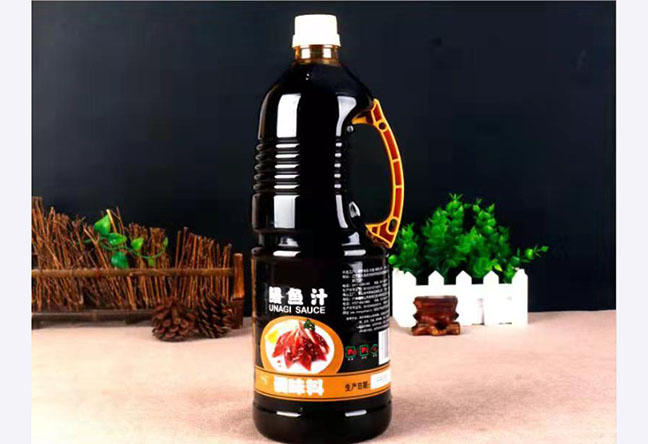
Our eel sauce is produced under ISO 22000:2018 and HACCP-certified conditions, with a standardized four-layer soy-sauce coating process originally developed for our frozen unagi kabayaki line. Because the reduction and sugar ratios are fixed at production, the texture stays the same jar to jar — useful for kitchens that can't afford the trial-and-error of home fixes. Our in-house lab and metal detectors at critical control points keep each batch within the same quality range, and our certified farming bases support full traceability if your buyers ask for documentation.
If your menu already features kabayaki sauce built around reduced soy and sugar, the same thickening logic applies — check reduction time first, sugar type second, and temperature last.
A Quick Reference You Can Save
| Sweetener Used | Thickness Risk After Cooling | Typical Fix |
|---|---|---|
| White sugar | Low | Usually none needed |
| Brown sugar | Medium | Warm water, 1 tsp per 1/4 cup |
| Maple syrup | High | Reheat to 150–160°F, dilute slowly |
| Coconut sugar | Medium-high | Reheat, check for crystallization |
| Agave | Low | Usually none needed |
Keep this table near your stove — it answers the "why is it thick" question faster than re-reading the full recipe each time.
Getting a vegan eel sauce recipe back to pourable takes less effort than most cooks expect once the cause is identified correctly. Reduction errors need rebalancing, sugar substitutes need gentle reheating, and cooling thickness just needs heat back. For kitchens that would rather skip the troubleshooting altogether, our quality team can walk through spec sheets and samples — request a sample of our eel sauce to compare texture and shelf stability against your current recipe.