

How Grilled Unagi Gets Restaurant-Style Crisp Edges Without Drying Out
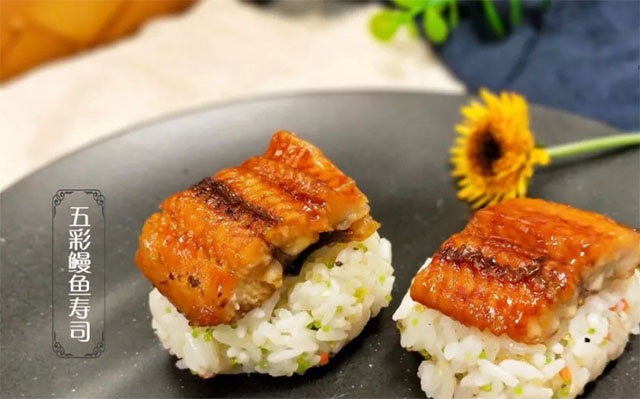
Why does restaurant-style grilled unagi come out with a lacquered, crackly edge while home-grilled fillets turn rubbery or bone-dry? The answer sits in three variables cooks skip: surface moisture, rack position, and the timing of high heat. Get those three right and pre-cooked unagi kabayaki behaves almost like fresh-grilled eel.
This guide breaks down exactly what happens to frozen unagi kabayaki fillets between freezer and plate, and how to fix the texture problem before it starts.

Why Pre-Cooked Unagi Kabayaki Dries Out or Turns Soggy on the Grill
Frozen unagi kabayaki isn't raw fish. It's already roasted, glazed with tare, and sealed at the source. What you're doing at home is reheating and re-crisping, not cooking from scratch. Treat it like a steak that needs eight minutes per side and you'll either dry the flesh or leave the skin limp.
Two failure patterns show up again and again:
- Too long, too low heat — the sugar in the tare glaze never caramelizes, moisture keeps escaping, and the fillet turns chewy and dry by the time it looks "done."
- Too hot, too fast, no moisture control — the surface scorches unevenly while the center stays cold, and any ice crystals left from thawing turn into steam that softens the skin instead of crisping it.
Both problems trace back to the same root cause: moisture sitting on the fillet's surface when heat hits it. Steam, not fire, is what keeps grilled unagi from ever forming a crisp edge.
How to Get Crisp Edges on Grilled Unagi by Managing Moisture, Rack Position, and Heat Timing
Restaurant kitchens rely on a repeatable sequence, not luck. Here's the version adapted for home ovens and stovetop grills, using pre-cooked frozen fillets.
Step 1 — Thaw in the refrigerator, not on the counter
Move the fillet to the fridge 12–24 hours before cooking. Countertop thawing warms the outer layer faster than the core, which forces the fillet to release more surface liquid right when you need it dry. Checkpoint: the fillet should feel cool and pliable, not icy in the center.
Step 2 — Blot the surface before any heat touches it
Pat both sides with a paper towel until you no longer see a wet sheen. This single step removes most of the water that would otherwise turn to steam and stop browning. Skipping it is the single most common reason home cooks can't get crisp edges no matter how hot the grill runs.
Step 3 — Position the rack for airflow, not contact
Set the fillet on a raised wire rack, skin-side down, 3–4 inches from the top heating element. Laying it flat on a solid tray traps steam underneath and softens the skin from below while the top struggles to crisp. A rack lets moisture escape on both sides.
Step 4 — Warm through at moderate heat first
Run the oven or grill at roughly 350°F (175°C) for 5–6 minutes to bring the fillet up to serving temperature without scorching the tare. This step is about even warmth, not color.
Step 5 — Finish with brief, high, direct heat
Switch to broil, or move to a hotter zone, for 60–90 seconds per side. Watch the sauce — the sugars in tare caramelize through the Maillard reaction, which is exactly what produces the lacquered, slightly crackly edge people associate with proper grilled unagi. Pull it the moment the edges darken; another 30 seconds past that point and the glaze turns bitter.
Step 6 — Rest 2 minutes before cutting
Cutting immediately releases juices onto the crisp surface and softens it. A short rest lets the exterior set.
Quick reference for the three variables that decide whether grilled unagi ends up crisp or rubbery:
| Variable | What Works | Common Failure |
|---|---|---|
| Surface moisture | Blotted dry before heat | Left wet — steams instead of browning |
| Rack position | Raised rack, 3–4 in from heat | Flat on tray — traps steam underneath |
| Heat timing | Moderate warm-through, then 60–90 sec high heat | One long, low-heat cook — dries flesh, no crisp edge |
Comparing Finishing Methods for Crisp-Edge Grilled Unagi
Not every kitchen has a broiler. Here's how the main finishing methods stack up for pre-cooked kabayaki.
| Method | Best For | Time | Risk |
|---|---|---|---|
| Oven broiler | Batch cooking, even heat | 60–90 sec per side | Uneven if rack too close |
| Charcoal or gas grill | Smoky flavor, restaurant look | 45–60 sec per side | Flare-ups from dripping sauce |
| Cast-iron pan, skin down | Small batches, stovetop only | 2–3 min skin, 30 sec flesh | Sticking if pan isn't hot enough |
| Kitchen torch | Finishing touch on plated fillet | 10–15 sec sweeps | Localized burning if held still |
For foodservice kitchens plating multiple orders at once, the oven broiler method scales best and matches how many restaurants handle unagi kabayaki reheating during service.
Buyer's Checklist — Choosing Frozen Unagi Kabayaki for Better Grilled Unagi Results
The final crisp-edge result depends partly on the fillet you start with, not just technique. Before placing a bulk order, check these points:
- Fat content on the fillet — a lower-fat roast, achieved through patented low-fat roasting technology, means less rendered fat pooling on the tray during reheat, so the rack-and-airflow method keeps working as intended.
- Sauce layering — fillets glazed through a 4-layer soy-sauce coating process build a thicker, more stable glaze that caramelizes evenly under high heat instead of burning in patches.
- Cold-chain handling before it reaches you — fillets held in stable cold storage arrive with less surface ice, meaning less moisture to blot away before grilling.
- Traceability documentation — suppliers with farm-to-shipment traceability across registered farming bases can confirm raw material consistency batch to batch, which matters if you're grilling at scale for a menu.
- Certifications — look for ISO 22000, HACCP, and export food producer registration, which confirm the roasting and freezing process was controlled, not just the final product inspected.
Eelpro's frozen unagi kabayaki is produced across two dedicated lines with a combined 4,000-ton annual capacity, and batches are checked through an in-house food safety lab and metal detectors at critical control points — details worth asking any supplier about before committing to a container order.
Cold-Knowledge Corner — Why the Glaze Matters More Than the Grill
Here's a detail most home cooks miss: the crisp edge on quality grilled unagi comes as much from the tare as from the heat source. Tare is roughly one-third sugar by composition in traditional recipes, and sugar starts caramelizing around 320°F (160°C) — well below the point where fish protein itself would dry out. That means a short, hot finish crisps the glaze before the flesh has time to overcook, as long as the surface was dry going in. If your glaze isn't building a proper lacquer, the issue is usually the kabayaki sauce itself, not your grill technique — thin, watery tare can't caramelize the way a properly reduced one does.
For cooks who want to build their own glaze layer at home instead of relying on a pre-applied sauce, our eel sauce guide walks through reduction ratios that hold up under high heat.
Common Mistakes That Ruin the Crisp-Edge Effect on Grilled Unagi
- Grilling straight from frozen — uneven heating, wasted glaze.
- Flipping too often — each flip interrupts the caramelization window.
- Using foil directly under the fillet — traps steam exactly where you need airflow.
- Applying extra sauce right before the high-heat finish — added liquid resets the moisture problem you just solved.
If you're building a menu around eel and want more finishing techniques, our grilled unagi with a sweet-savory glaze recipe covers a variation worth testing side by side with the broiler method above.
Nancy Chen, Senior Food Safety & Quality Specialist at Eelpro, has spent 12+ years auditing HACCP and ISO 22000 systems for seafood exporters and has guided import compliance reviews for buyers in Japan, the US, and the EU — the same standards applied to the roasting and freezing process behind every fillet discussed here.
Ready to test crisp-edge results with restaurant-grade fillets? Request a sample or spec sheet from our team and compare the texture against your current supplier.