





Grill Kabayaki Fish With a Glossy Set Glaze
Your fish looks good on the grill, then the sweet soy sauce turns black before it turns glossy. That is the common kabayaki problem. The answer is not more sauce. It is better heat control, thin brushing, and a short rest that lets each layer set.
Well-made kabayaki fish should have a dark amber shine, lightly charred edges, tender flesh, and a glaze that clings instead of pooling on the plate. Whether you are cooking eel, catfish, or another firm fillet, the same method applies: grill the fish first, brush only when the surface is ready, then let the sauce settle before adding another layer.
Choose Fish and Sauce That Can Handle Repeated Glazing
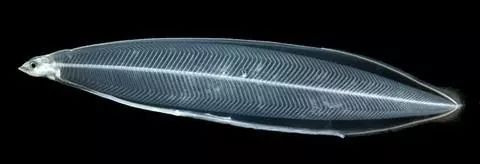
The best kabayaki fish starts with a fillet that stays intact when turned and brushed. Eel is the traditional choice because its rich flesh remains moist under the grill. Catfish and other firm fillets can also work, but they need gentler handling because thinner fish can soften or break after several sauce layers.
Your clear decision point is simple: choose a fish portion that can be turned without tearing, and use a sweet soy sauce that coats the brush without dripping like water. This approach suits home cooks making rice bowls, sushi fillings, or grilled seafood plates. It does not apply well to very flaky fish, because repeated turning may break the flesh before the glaze sets.
| Option | Best Use | What to Check | Limit |
|---|---|---|---|
| Frozen roasted eel | Fast rice bowls, sushi, and grilled plates | Look for an even surface and intact portions after thawing | Already seasoned products need lighter extra brushing |
| Freshwater eel fillet | Traditional-style kabayaki fish cooked from the base ingredient | Remove pin bones and dry the skin surface before grilling | Requires more preparation and careful fish handling |
| Catfish fillet | A practical substitute for home-style sweet soy grilling | Choose firm, evenly cut pieces | Its texture and flavor are different from eel |
| Other firm fish fillets | Weeknight grilled fish bowls | Use portions thick enough to turn cleanly | Do not expect the same richness as unagi |
For a traditional eel option, see our unagi kabayaki product page. If you are choosing a ready-made sauce instead of mixing your own, compare the texture of prepared eel sauce before cooking. A good tare should leave a light coating on a spoon rather than falling away in a thin stream.
Prepare the Surface Before the First Brushstroke
Do not sauce cold, wet fish. Surface moisture is the enemy of a clean glaze. It steams the fillet, dilutes the tare, and leaves a streaky finish. Pat the fish dry before it reaches the grill. If you are using frozen roasted eel, thaw it according to the pack instructions and remove any excess moisture from the surface.
For kabayaki fish, the first stage is about heat and structure, not shine. Grill until the flesh has warmed through and the surface feels dry enough that a brush will glide across it. The sauce comes later.
- Dry the fillet. Use paper towels to remove visible moisture from both the flesh and skin sides. This fits eel, catfish, and firm white-fish fillets. Do not press so hard that delicate flesh breaks.
- Oil the grill surface lightly. The goal is release, not frying. Too much oil can make the sauce slide off instead of grip the fish.
- Grill the plain fish first. Wait until the surface looks less wet and the fish can be moved without sticking. If it tears when lifted, let it cook undisturbed longer before turning.
- Turn with support. Use a broad spatula under the fish instead of pulling it with tongs. This matters most for soft fillets and skinless portions.
- Keep sauce away from the hottest flare-up zone. Sweet soy tare contains sugars that darken quickly. Move the fish to gentler heat before brushing.
The deep color that develops during grilling is related in part to the Maillard reaction, but dark color alone is not the goal. A good glaze should look brown-red and reflective. A bitter, dry black surface means the sauce has spent too long over aggressive heat.
Use Brush-and-Rest Timing to Set a Lacquered Glaze Without Burning Sweet Soy Tare
This is the step that makes kabayaki fish look restaurant-ready. Brush a thin layer of tare over fish that has already developed a dry, grilled surface. Then stop. Let that layer tighten and cling before adding more. The rest period is not dead time; it is when the liquid coating changes into a set, lacquered finish.
The conclusion is clear: thin coats with a rest between them beat one heavy coat every time. This method suits sweet soy glazes, bottled unagi tare, and homemade kabayaki sauces. It does not suit a watery sauce, because no amount of brushing will create a stable finish until the sauce itself has enough body.
| Glazing Stage | What to Do | Visual Checkpoint | Common Failure and Fix |
|---|---|---|---|
| First brush | Apply a light coat over the grilled side | The sauce forms a thin sheen without dripping | If it runs off, the fish is too wet or the coat is too heavy |
| First rest | Leave the fish over gentler heat without brushing again | The shine becomes less wet and more even | If bubbles turn dark too quickly, move away from direct heat |
| Second brush | Add another thin layer after the first layer grips | The surface looks darker and smoother, not sticky | If the brush pulls up sauce, the earlier layer has not set |
| Final rest | Let the last layer settle before cutting or serving | The glaze reflects light and stays on the fish | If it puddles on the plate, use less sauce on the next batch |
A useful kitchen fact: the glaze does not need to become thick in the pan to become glossy on fish. What matters is controlled evaporation on the grilled surface. That is why repeated light brushing gives kabayaki fish its signature lacquered look while a heavy pour often creates a burnt, sticky mess.
Fix the Glaze Problems That Ruin Flavor and Appearance
Most failed kabayaki fish is still edible, but the flavor can shift from sweet and savory to harsh and smoky. Use the surface of the fish as your guide. It will tell you whether to brush again, rest longer, or move away from the strongest heat.
- Problem: the sauce burns before it shines.
Cause: the fish is directly above excessive heat, or the sauce layer is too thick.
Action: move the fillet to a gentler area, let the surface cool slightly, then resume with a thinner brush layer.
Limit: if the glaze is already bitter and black, adding more sauce only hides the problem temporarily. - Problem: the glaze looks dull and wet.
Cause: the fish was brushed before its surface dried, or the tare is too thin.
Action: grill the fish without additional sauce until the surface firms, then brush lightly again.
Limit: do not keep grilling a delicate fillet until it becomes dry just to force shine. - Problem: the sauce falls into the grill.
Cause: overloaded brush or too much sauce on one side.
Action: wipe excess sauce from the brush before each pass and use short strokes.
Limit: a damaged or crumbling fillet may not hold repeated layers. - Problem: the fish sticks when turned.
Cause: turning too early or using sauce before the fish releases naturally.
Action: let the plain side cook until it lifts more easily, then turn with a wide spatula.
Limit: very thin fish may be better cooked on foil or a grill-safe tray. - Problem: the finished fish tastes flat.
Cause: the glaze is sweet but lacks grilled aroma, or the fish was served without a final set.
Action: give the final brushed layer time to cling before plating.
Limit: do not chase more flavor by piling on sauce; it can overwhelm the fish.
For a deeper sauce troubleshooting guide, see this kabayaki sauce recipe resource. It is especially useful when the tare tastes too sweet, too salty, or too thin before it reaches the grill.
Work With Frozen Roasted Eel Without Hiding Its Texture
Frozen roasted eel is a practical option when you want the flavor profile of kabayaki fish without starting from a raw fillet. The decision is best for home cooks who want a faster meal and for foodservice operators who need consistent portions. It is less suitable if your goal is to control every stage of skin preparation, roasting, and sauce application from the beginning.
At Eelpro Co., LTD, frozen roasted eel is produced on one of two modern production lines within a total annual finished-goods capacity of 4,000 tons. Our production process uses a four-layer soy-sauce coating method with defined color standards from white-roasted eel through the first, second, third, and fourth coating stages. This matters when buyers need an eel product with a recognizable roasted appearance before final reheating or finishing.
Our facility is certified to ISO 22000:2018, HACCP, and HALAL requirements, and holds export food producer registration and an SC Food Production License. Eelpro also maintains a 1,000-ton cold storage facility, in-house laboratory controls, and metal detectors at critical control points. These controls are relevant for importers, distributors, and restaurant buyers. They do not replace proper storage and cooking practices once the product is in your kitchen.
For buyers assessing supplier controls, our eel lab page explains the quality-control setting, while our unagi eel farm information outlines the farm-to-shipment traceability approach. Eelpro works with approximately 20 customs-registered farming bases covering more than 2,150 mu.
Serve the Finished Fish While the Glaze Is Still Set
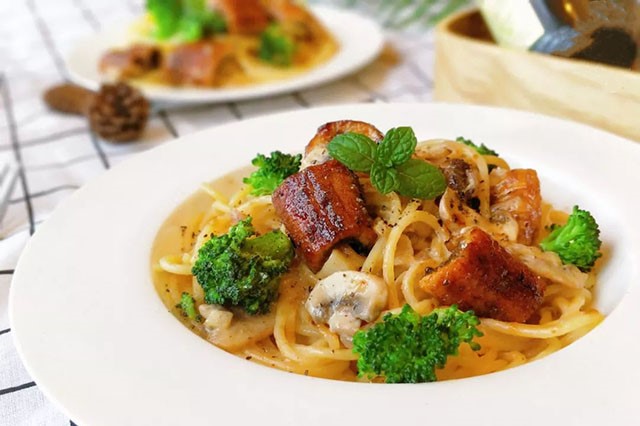
Once the final layer has settled, serve kabayaki fish without covering it tightly. Steam can soften the surface and turn a clean lacquered finish back into a wet coating. A rice bowl is the classic choice, but the same glazed fish can be sliced for sushi rolls, placed over noodles, or served with lightly seasoned vegetables.
For a balanced bowl, use plain rice as the base, add the glazed fish while warm, then finish with a small extra brush of tare only if the surface still looks dry. This fits rich eel especially well. For catfish or leaner fillets, use less finishing sauce so the fish flavor is not buried.
If you want more serving ideas, our eel rice bowl toppings guide offers practical combinations for home-style donburi meals.
For retail, foodservice, or import sourcing of frozen unagi and tare, request a product sample or specification sheet from Eelpro.
 WhatsApp
 sales@chinaeels.com
 +8619937922411