

How an Unagi Sushi Roll Is Built Inside-Out
As a quality assurance specialist in the seafood export industry, I often discuss product specifications with clients who plan menus for restaurant chains and foodservice channels. A frequent topic is the precise presentation of ingredients, especially for an unagi sushi roll. The question isn't just about flavor, but about construction: should the nori (seaweed) be on the outside or the inside? An inside-out roll, or Uramaki, places the rice on the exterior. This choice directly impacts texture, visual appeal, and production efficiency in a professional kitchen.
This decision goes beyond simple aesthetics. It influences how the roll holds together, how toppings adhere, and the customer's first taste impression. Understanding the technical differences between roll types is the first step. The second, and more critical step, is ensuring the core ingredient—the unagi kabayaki—is of a consistent quality and cut to meet the demands of either format. At Eelpro, our entire process, from our 19 certified farming bases to our final packaging, is designed to deliver that consistency.
Inside-Out (Uramaki) vs. Nori-Out (Maki): A Technical Comparison
The choice between an inside-out and a traditional nori-out roll affects everything from preparation time to the final mouthfeel. For foodservice buyers, these structural differences have practical consequences for kitchen workflow, ingredient cost, and menu presentation. Here is a direct comparison of the two primary construction styles for an unagi sushi roll.
| Feature | Inside-Out Roll (Uramaki) | Nori-Out Roll (Maki) | Impact for Foodservice & Wholesale Buyers |
|---|---|---|---|
| Rice Placement | Rice is the outermost layer, pressed onto the nori sheet before flipping to fill. | Nori is the outermost layer, encasing the rice and fillings. | Uramaki offers more surface area for expensive toppings like roe or sesame seeds, increasing plate cost but also perceived value. The exposed rice is also more prone to drying out if not served promptly. |
| Nori Function | Acts as an internal structural wrapper, holding the core ingredients together. | Provides primary structure, flavor, and a classic visual aesthetic. | For uramaki, the nori's main job is containment. For maki, its texture and flavor are prominent, requiring higher-grade nori. This is a key ingredient specification choice. |
| Eel Positioning | The unagi is a core ingredient, often paired with cucumber or avocado, wrapped by the nori. | The unagi is also a core ingredient, but its flavor is more directly contrasted with the exterior nori. | The rich, savory flavor of the unagi is slightly softened by the exterior rice in an uramaki, making it approachable. In a maki, the unagi and nori flavors are more distinct. The quality of your eel sauce (unagi tare) becomes even more important here. |
| Finishing & Toppings | Ideal for external coatings like tobiko, sesame seeds, or thin slices of avocado. Often drizzled with sauce. | Typically left plain or with a simple sauce drizzle. Toppings do not adhere well to the smooth nori surface. | Uramaki allows for greater creativity and premiumization. Buyers can create signature rolls, justifying higher menu prices. This requires a supply of consistent toppings. |
| Structural Integrity | Can be less stable if not rolled tightly. The rice exterior can be sticky to handle during production. | Generally more stable and easier to handle, cut, and plate. The nori provides a firm, non-stick grip. | Kitchens with less experienced sushi chefs may find maki rolls faster and easier to produce with less waste. Uramaki requires more skill to achieve a uniform, tight roll. |
| Mouthfeel & Texture | Softer initial texture due to the rice exterior, followed by the crunch of fillings and the firm unagi. | A slight chew from the nori is the first sensation, followed by the soft rice and the central filling. | The uramaki is often perceived as "less fishy" or "less oceanic" by Western palates, as the nori flavor is muted. This can broaden its appeal in markets like the US and EU. |
Sourcing Unagi Kabayaki for Consistent Roll Production
Regardless of how you build your unagi sushi roll, the quality of the eel is non-negotiable. For a restaurant chain or distributor, sourcing frozen unagi is a critical decision that impacts kitchen efficiency, food cost, and customer satisfaction. The goal is a product that is ready to use, consistent in size and flavor, and fundamentally safe.
Our facility operates on two modern production lines with a 4,000-ton annual capacity, allowing us to manage large, consistent orders for clients in Japan, Germany, and the United States. We focus on key attributes that matter for high-volume sushi production:
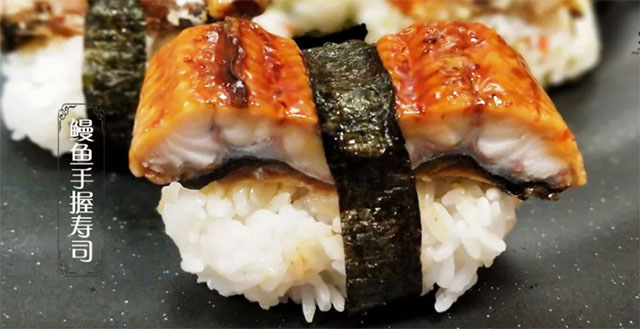
- Standardized, Custom Cutting: Inconsistent pieces of eel lead to variable roll quality and food waste. We offer custom cutting specifications, including precise sushi slices, shreds, and dices. This ensures every unagi sushi roll has the same amount of protein, simplifying portion control and costing for our clients.
- Boneless and Ready-to-Heat: Back-of-house prep time is a major operational cost. Our frozen unagi kabayaki is fully cooked, deboned, and seasoned. It only requires gentle heating before being added to a roll, dramatically reducing labor and the risk of cross-contamination in the kitchen.
- Patented Low-Fat Roasting: Oily or greasy eel can make a sushi roll fall apart and create an unpleasant mouthfeel. Our patented low-fat roasting and deodorizing technology produces a firm, flavorful fillet. The eel holds its shape when sliced and doesn't release excess oil that can compromise the rice and nori structure.
- Deep Flavor Penetration: Our roasting process involves four precise layers of soy sauce application, each at a controlled temperature. This builds a deep, savory flavor that permeates the eel, ensuring it stands out as the premium ingredient in the roll, rather than just being a carrier for sauce.
Buyer's Checklist: Sourcing High-Quality Frozen Unagi
When evaluating suppliers, it's easy to get lost in pricing. From my experience managing export compliance, the real cost of a supplier relationship is revealed in safety, consistency, and reliability. Use this checklist to assess potential partners:
- Verify Core Certifications: Does the supplier hold internationally recognized food safety certifications? Look for ISO 22000:2018 and a HACCP system. For specific markets, certifications like HALAL are necessary. These aren't just logos; they represent a documented, audited commitment to safety.
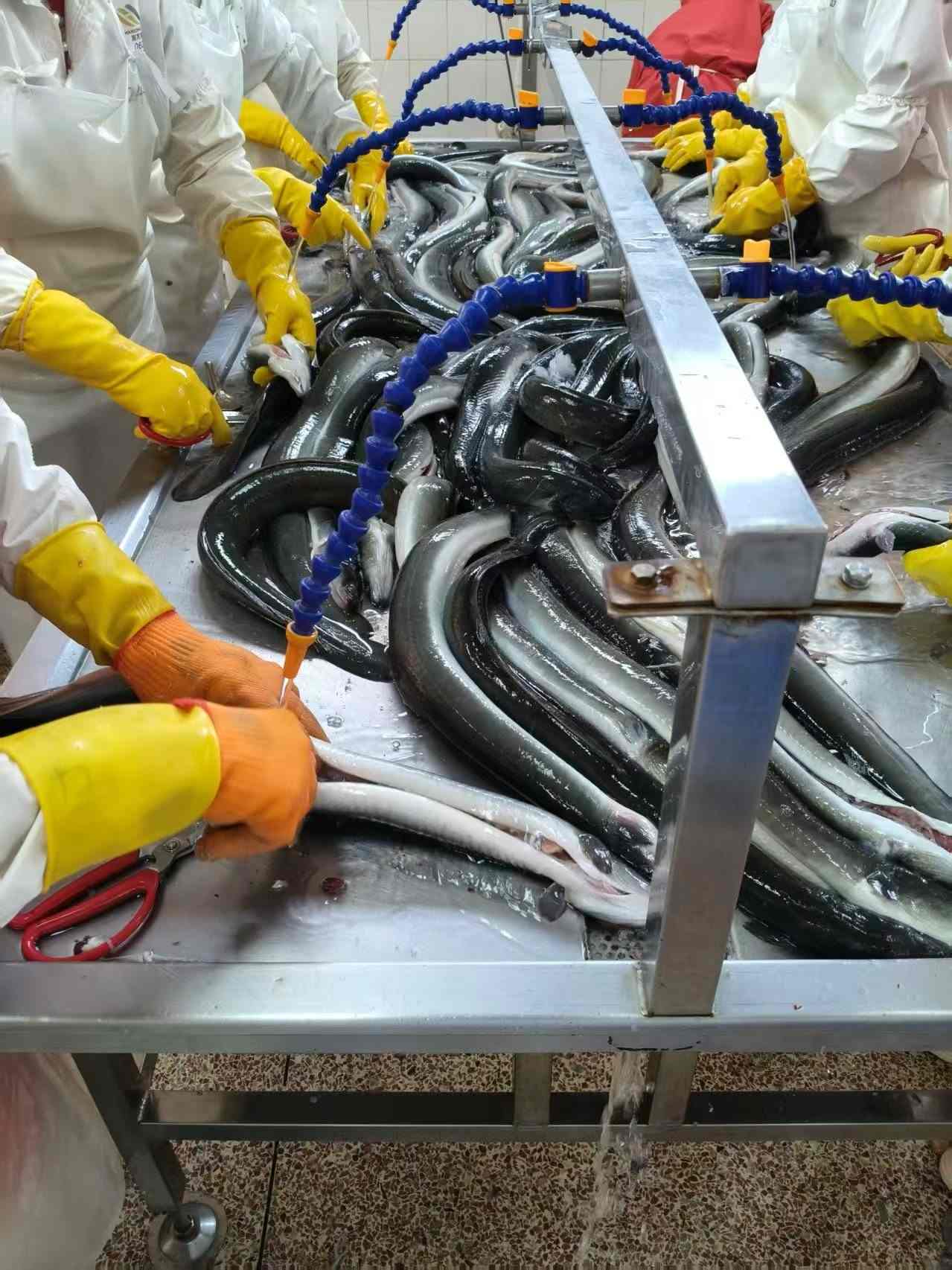
- Confirm Full-Chain Traceability: Where does the raw material come from? A credible supplier should be able to demonstrate control from the farm level. We manage this through our ~20 customs-registered eel farming bases, with traceability tracking from farming registration to final shipment.
- Request Product Specifications for Cuttings: Ask for detailed specs on available cuts. Is "sushi slice" a standard size? What are the tolerances? A good partner can provide this data to help you accurately plan your menu costs.
- Assess Cold Chain Management: How is product integrity maintained? Inquire about their cold storage capacity and logistics. Our 1,000-ton cold storage facility ensures that from production to port, the product is held at a stable temperature, preserving texture and safety.
- Inquire About Laboratory Testing: What internal quality controls are in place? We operate our own professional eel lab and use metal detectors at critical control points to verify product safety beyond minimum regulatory requirements.
Mitigating Supply Chain and Food Safety Risks
For food importers in the EU, US, or Australia, sourcing seafood from overseas carries inherent risks, from customs delays to product recalls. My role is to ensure our products and processes prevent these issues before they happen. Our entire quality system is built to help our buyers avoid trade risks.
One of the biggest concerns for eel imports is compliance with veterinary drug residue and microbiological limits. Each destination market has its own standards. Our products are processed to meet the stringent food inspection standards of Japan, the US, and the EU. This is achieved through a multi-layered approach:
- Farm-Level Control: It starts at the source. Our network of over 2,150 mu of registered unagi eel farms follows strict protocols, which are verified through targeted sampling and process audits.
- In-House Verification: Raw materials are tested in our laboratory before they even enter the production line. This proactive screening catches potential issues early.
- Process Discipline: Our team of 25 technical and quality-control personnel oversees the entire production process, ensuring HACCP principles are followed at every step.
Common Sourcing Mistakes to Avoid
Over the years, I've seen importers run into preventable problems. Here are some of the most common mistakes when sourcing frozen eel products:
- Mistake 1: Focusing Only on FOB Price. A low initial price can hide costs like inconsistent glaze percentages, poor yields due to breakage, or product being rejected at customs. The total landed cost and product reliability are what matter.
- Mistake 2: Overlooking Packaging Specifications. Inadequate packaging can lead to freezer burn, broken pieces, and contamination. We offer various formats, like skin-packaging and gift boxes, and can advise on the best option for your distribution channel to ensure product arrives in perfect condition.
- Mistake 3: Accepting Vague Promises on Traceability. "We source from good farms" is not a substitute for a documented traceability system. Ask for proof, such as farming base registration numbers or lot tracking capabilities.
- Mistake 4: Not Clarifying MOQ Policies. Minimum Order Quantities can vary. We have differentiated policies for catering chains versus wholesale traders, and MOQs are negotiable based on the specific product and packaging. Clear communication upfront prevents surprises.
Ultimately, the best unagi sushi roll starts long before a chef ever touches the rice. It begins with a reliable supply of safe, high-quality, and consistently prepared unagi. By controlling the full chain, from farm to our ISO 22000:2018 certified facility, we provide that foundation.
For detailed specifications on our unagi kabayaki cuts or to discuss your import requirements, please contact our team for a consultation.