


How to Choose Eel Recipes by Cut and Cooking Method
As a quality specialist with over a decade in eel exports, I’ve seen many foodservice operators struggle with a common problem: they source high-quality eel but apply the wrong cooking method. A beautiful, pre-grilled kabayaki fillet is ruined by over-stewing, or a delicate raw fillet becomes tough on a high-heat grill. Choosing the right approach from the start is essential for texture, flavor, and cost efficiency.
This guide moves beyond simple lists of eel recipes. Instead, it provides a framework for selecting the ideal cooking technique based on the specific cut and format of eel you are working with—whether it's pre-cooked unagi kabayaki, raw fillets, or custom-cut portions. Understanding these boundaries ensures you get the best possible result from your product every time.
Matching Eel Format to Cooking Method: A Boundary Guide
Not all eel is created equal. The initial processing—whether it's pre-cooked, plain-roasted, or raw—dictates the best application. Using the wrong method can easily destroy the delicate texture or rich flavor profile. For instance, attempting to slow-braise a pre-cooked kabayaki fillet will cause it to fall apart and become mushy.
The following table outlines the ideal cooking methods for common eel formats, helping you prevent costly kitchen errors and ensure menu consistency.
| Eel Format | Best Cooking Methods | Why It Works | Common Mistakes to Avoid |
|---|---|---|---|
| Frozen Unagi Kabayaki | Reheating: Grilling, broiling, pan-searing, steaming, microwaving. | The eel is already fully cooked and glazed. The goal is simply to heat it through until warm and tender, which takes only a few minutes. | Boiling, stewing, or long-duration cooking. This overcooks the delicate meat, making it fall apart and lose its signature texture. |
| White-Roasted Eel (Shirayaki) | Grilling, pan-searing with sauce, steaming with aromatics. | It's pre-cooked without sauce, offering a blank canvas. It absorbs flavors well, making it ideal for custom glazes or adding to broths at the last minute. | Treating it like raw eel. Since it's already cooked, it only needs brief heating to absorb flavors. Extended cooking will dry it out. |
| Raw Eel Fillets (Fresh or Frozen) | Grilling, broiling, pan-frying, deep-frying (tempura), stewing, braising. | This is the most versatile format. It can be cooked from scratch, allowing for full control over texture and flavor development, from crispy skin to tender, flaky meat. | Under-cooking (risk of foodborne illness) or not scoring the skin before high-heat cooking, which causes the fillet to curl up. |
| Custom Cuts (Strips, Dices, Shreds) | Stir-frying, adding to soups, making fillings (dumplings, spring rolls), mixing into rice dishes. | The small size allows for quick, even cooking and easy integration into complex dishes where a whole fillet wouldn't be practical. | Adding them too early in the cooking process. Small pieces cook very quickly and can disintegrate if stewed for too long. |
| Smoked Eel | Served cold/room temperature, gently warmed, added to salads or appetizers. | The eel is already cooked and flavor-infused. It's a ready-to-eat product where the primary goal is to showcase the smoky flavor. | Aggressive cooking (frying, grilling). This overwhelms the delicate smoke flavor and can make the rich meat greasy. |
Key Preparation Steps for Different Eel Cuts
Proper preparation is just as important as the cooking method. For foodservice businesses, efficiency and consistency are paramount. Standardized, pre-processed eel can significantly reduce back-of-house labor, but you still need to handle it correctly.
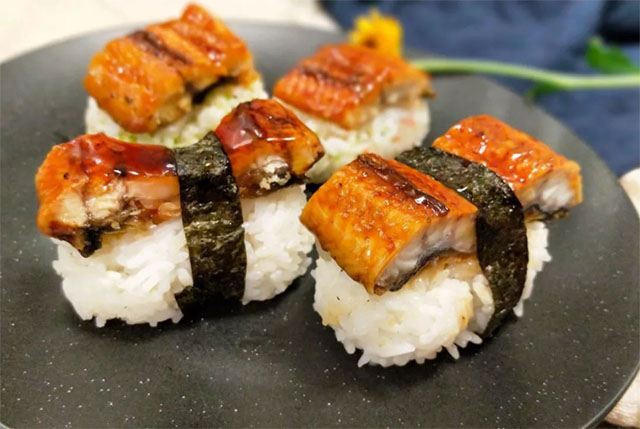
Preparing Pre-Cooked Unagi Kabayaki
Our unagi kabayaki product is designed for speed and consistency, making it a staple for Japanese restaurant chains and foodservice channels in the US, Europe, and Australia. The goal is reheating, not cooking.
- Thawing: For best results, thaw the vacuum-sealed package in the refrigerator overnight. For quicker use, place the sealed package in cold water for 15-20 minutes.
- Heating Method 1: Oven/Broiler (Best for texture): Preheat broiler or oven to 200°C (400°F). Place the eel fillet on a foil-lined tray and heat for 4-6 minutes, or until the sauce is bubbling and the fillet is heated through.
- Heating Method 2: Pan-Searing (Quick): Place the fillet skin-side down in a non-stick skillet over medium heat. Heat for 2-3 minutes. Flip and heat for another 1-2 minutes. You can add a splash of water and cover the pan to create steam for extra moisture.
- Serving: Once heated, it's ready to be served over rice (Unagi Don), used in sushi, or as a standalone entree. The boneless and deboned nature of these products eliminates complex kitchen prep.
Preparing Raw Eel Fillets
Working with raw eel offers more culinary freedom but requires more skill. For detailed instructions on initial processing, see our guide on how to cook eel: cleaning / skinning & deboning guide. Once you have a clean, deboned fillet, follow these steps for grilling:
- Scoring the Skin: Lay the fillet skin-side up and make shallow, diagonal cuts across the skin. This prevents it from curling during cooking and helps render the fat.
- Initial Grilling (Shirayaki style): Grill the eel without any sauce over medium heat, skin-side down first, until it's about 80% cooked. The flesh should be opaque and firm.
- Steaming (Optional but Recommended): Briefly steam the grilled eel for a few minutes. This step makes the meat exceptionally tender and moist.
- Glazing and Final Grilling: Begin brushing the eel with your preferred kabayaki sauce. Grill for a minute, flip, and glaze the other side. Repeat this process 3-4 times to build up a rich, caramelized layer. At Eelpro, our export-grade process involves four precise layers of soy sauce with temperature-controlled steps to build flavor.
Avoiding Common Sourcing and Quality Pitfalls
The success of any eel dish starts long before it reaches the kitchen. For B2B buyers, sourcing reliable, safe, and consistent eel is a critical business decision. In my experience overseeing quality systems, I’ve seen importers face significant risks from suppliers with poor traceability or unverified certifications. A robust supply chain is your best defense against product recalls and failed inspections.
Here is a checklist to help you vet a potential frozen eel supplier:
- Does the supplier hold internationally recognized certifications?
Look for certifications like ISO 22000:2018 for food safety management and HACCP. These are not just logos; they represent a commitment to systematic safety protocols. We are also HALAL certified and hold an Export Food Producer Registration, ensuring our products meet stringent international standards for markets in Japan, the US, and the EU. - Can they provide full-chain traceability?
Ask for proof of traceability from the farm to the final package. A reliable supplier should be able to track each batch. Eelpro operates with approximately 20 customs-registered eel farming bases, giving us full control from farming and targeted sampling to final processing and shipment. This traceability is managed through our in-house professional laboratory. - What is their production capacity and infrastructure?
A supplier's capacity affects their ability to handle large, consistent orders. With two modern production lines, an annual capacity of 4,000 tons, and a 1,000-ton cold storage facility, we ensure a stable supply chain and consistent product quality without logistical bottlenecks. - Do they use advanced processing technology?
The technology used in processing directly impacts the final product's quality. For example, our patented low-fat roasted eel processing and deodorizing equipment results in a cleaner taste and better texture, which is highly valued by our long-term clients in Japanese restaurant chains. - Do their products meet target market compliance?
Ensure the products meet the specific food inspection standards (e.g., for veterinary drug residues and microbiological indicators) of your target country. This helps you avoid costly import rejections and trade risks. We ensure our products meet Japan, US, and EU standards.
Custom Eel Specifications for B2B Buyers
For large-scale foodservice chains, distributors, and wholesale clients, "one size fits all" is rarely the answer. A key advantage of working directly with a manufacturer is the ability to request custom specifications tailored to your menu applications. This level of customization saves labor, reduces waste, and ensures a perfectly consistent end product for your customers.
At Eelpro, we offer a range of customizable options based on our production capabilities:
- Precision Cutting: Beyond standard fillets, we provide various cuts for specific eel recipes. This includes shredding (for soups and salads), dicing (for fried rice or fillings), strip-cutting, chunk-cutting, and precise sushi slices.
- Roasting and Glazing Levels: We have established standards for different roasting levels, from a "white-roasted color" (shirayaki) to our signature "1st-through-4th soy-sauce coating" for kabayaki. This allows clients to specify the exact flavor intensity and color they require.
- Packaging Formats: We accommodate different packaging needs, from bulk foodservice packs to retail-ready skin-packaging and gift boxes, with flexible MOQ policies for different client types.
- Ingredient Formulation: For large-volume orders, we can work with clients on specific formulations for our unagi tare (eel sauce), adjusting sweetness, saltiness, and viscosity.
Choosing the right format and preparing it correctly ensures your eel dishes are always delicious and profitable. By partnering with a supplier that understands these nuances and offers verifiable quality, you can build a menu that stands out.
For consistent, high-quality frozen eel tailored to your specific menu needs, contact our team to request a spec sheet or discuss your requirements.