


How to Choose a Gluten-Free Unagi Sauce Substitute for Eel Dishes
A glossy eel rice bowl can look perfect, then fail at the last spoonful of sauce. Many bottled unagi sauces contain soy sauce made with wheat, so the question is simple: which unagi sauce substitute gives you the familiar sweet, savory glaze without creating a gluten concern?
The right answer depends on what you are cooking. A sushi roll needs a light finishing sauce. A rice bowl needs a glaze that clings to warm eel and rice. A grilled kabayaki portion needs enough body to caramelize without turning sticky or burnt.
For gluten-sensitive diners, start with gluten-free labeling rather than relying on a product’s Japanese-style name, dark color, or “soy sauce alternative” wording. A sauce may look suitable but still contain wheat-based soy sauce, flavoring blends, or thickening ingredients that do not fit your meal plan.
Start With the Dish You Plan to Serve
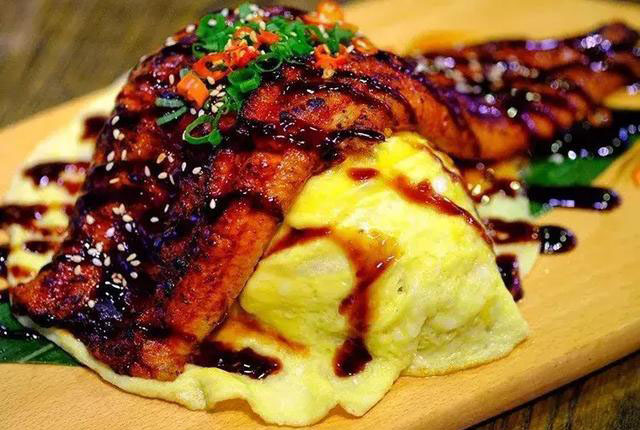
Conclusion: Choose the base sauce according to the heat level, surface area, and serving style of your eel. A thin sauce can work for dipping, but it may run off grilled eel. A thick glaze may suit a rice bowl, yet overwhelm delicate sushi rice.
The familiar kabayaki profile balances savory soy depth, sweetness, and a lightly cooked finish. A gluten-free unagi sauce substitute should not simply taste salty. It should also leave a smooth coating on the eel instead of pooling at the bottom of the plate.
| Serving Format | Best Sauce Style | Why It Fits | When It Does Not Fit |
|---|---|---|---|
| Eel rice bowl | Medium-bodied sweet-savory glaze | Coats warm eel and seasons plain rice | Not ideal if diners prefer a lighter, less sweet bowl |
| Unagi sushi roll | Lighter sauce applied sparingly | Prevents rice from becoming wet or overly sweet | Not suitable for a thick grilled finish |
| Grilled eel fillet | Glaze that reduces and adheres | Creates the familiar lacquered kabayaki appearance | May burn if applied too early during strong direct heat |
| Eel noodle soup | Small amount of savory sauce or sauce served separately | Lets the broth remain the main flavor | A heavy glaze can cloud the broth and dominate the noodles |
If you are serving prepared eel, keep the sauce separate until the final stage. This gives gluten-free diners a clear serving path and allows everyone else to add sauce to taste. For more bowl and topping ideas, see these eel rice bowl toppings.
Compare Tamari, Coconut Aminos, and Gluten-Free Bottled Sauces by Salinity, Sweetness, and Glaze Behavior
Conclusion: Tamari is usually the closest starting point for a soy-forward kabayaki taste, coconut aminos are useful when you want a sweeter and gentler base, and a verified gluten-free bottled sauce is the fastest option when label control matters more than recipe customization.
Do not assume all tamari is wheat-free. Some tamari products include wheat, so the package must specifically state that it is gluten-free. Coconut aminos can be naturally sweeter in taste, but brands differ. Gluten-free bottled sauces vary even more because each producer may use a different sweetener, salt level, thickener, or flavoring system.
| Option | Salinity | Sweetness | Glaze Behavior | Best Use | Limit |
|---|---|---|---|---|---|
| Tamari labeled gluten-free | Usually higher and more soy-like | Low before sweetener is added | Forms a balanced glaze when paired with a sweet component | Grilled eel, rice bowls, and sushi sauce bases | Not suitable if the label does not clearly confirm gluten-free status |
| Coconut aminos | Usually gentler than tamari | Noticeably sweeter | Can become sweet quickly during reduction | Milder family meals and sauces needing less added sweetness | May not give the deep soy character expected in traditional kabayaki-style dishes |
| Gluten-free bottled sauce | Depends on the brand label | Depends on the formula | Some are ready to brush on; others are better as finishing sauces | Fast weeknight meals and controlled ingredient sourcing | May contain flavors that do not match eel or may already be too sweet |
For a home cook making a first gluten-free unagi sauce substitute, tamari is often the safest flavor direction when the label clearly verifies gluten-free status. Its savory profile supports fatty, roasted eel without requiring many extra ingredients.
Use coconut aminos when the diner wants a softer salt profile or when you are building a sauce for children and prefer less sharpness. Its limit is flavor depth: adding more coconut aminos may make the sauce sweeter rather than more savory. In that case, choose a gluten-free tamari instead of continuing to reduce the sweeter option.
A bottled option is practical for packed lunches, busy dinners, and catering-style assembly. Before buying, compare the ingredient panel against your needs. Look for a clear gluten-free declaration, check whether wheat is listed, and confirm whether the sauce already includes sweeteners. This prevents a glaze from becoming too sugary after it hits a hot pan.
Use a Simple Label-Checking Method Before You Buy
Conclusion: A short, repeatable label check is more reliable than choosing by brand reputation or bottle appearance. This is especially useful when you are cooking for guests, preparing shared sushi platters, or adapting a family favorite for one gluten-free diner.
- Read the front claim first. Look for a direct gluten-free statement. Do not treat “natural,” “traditional,” or “Japanese style” as proof.
- Read the ingredient list. Check for soy sauce, wheat, malt, barley, flavoring blends, and thickening ingredients that may affect suitability.
- Check the allergen statement. If wheat is listed, do not use that product as your gluten-free unagi sauce substitute.
- Identify the sauce’s sweetness source. A bottle that already contains sugar or syrup may need no additional sweetener.
- Check consistency through the bottle. A thin sauce is better for drizzling; a thicker sauce is usually better for brushing on eel near the end of cooking.
- Keep the original container. If you serve guests, retain the label until the meal is finished in case someone needs to confirm ingredients.
For a practical family meal, choose one verified sauce and use a clean spoon for every serving. Avoid dipping a brush used on regular soy sauce into the gluten-free batch. Cross-contact can happen in small ways: shared utensils, reused bowls, or a pan that still holds sauce residue.
A useful cold fact about dark sauces
Dark color does not mean strong soy flavor. Molasses-like sweeteners, caramel-style coloring, and reductions can make a sauce look rich even when the savory foundation is mild. Taste a small amount before glazing the eel. If it tastes mostly sweet, it may be better as a finishing drizzle than as the main cooking sauce.
Build a Balanced Sauce in a Controlled Order
Conclusion: Add savory ingredients first, sweetness second, and heat last. This order helps you control glaze behavior before the sauce reaches the eel. It fits home cooks who want a custom unagi sauce substitute without wasting an expensive fillet.
A good homemade version does not need a long ingredient list. Begin with gluten-free tamari or another verified base. Add a sweet element gradually. Then test the sauce on a spoon, not directly on the eel. The surface of eel already contains roasted flavor and natural richness, so the sauce should support it rather than bury it.
- Choose one verified gluten-free savory base. Tamari is the usual choice for a more traditional soy-led result. Coconut aminos suit a milder, sweeter direction.
- Add sweetness in small additions. Stop when the sauce tastes rounded rather than candy-like. The flavor will become more concentrated during heating.
- Warm the sauce gently. Stir often and watch for thickening around the edges. Do not leave a sweet sauce unattended.
- Test the coating. Lift a spoon from the sauce. If it lightly clings, it is ready for brushing. If it falls away like water, use it as a drizzle or continue warming carefully.
- Brush late in the cooking process. Apply a thin layer near the end, then add another only if the eel still needs more flavor.
- Serve extra sauce separately. This keeps the eel from becoming overly sweet and helps diners control their own portion.
This method also works with frozen roasted eel. Heat the eel according to its product instructions, then brush the glaze near the end so the sauce stays glossy. Our unagi kabayaki can be paired with a separately prepared sauce when a menu requires ingredient flexibility.
Avoid the Mistakes That Make Gluten-Free Eel Taste Flat or Too Sweet
Conclusion: Most disappointing results come from using an unsuitable sauce base, reducing sweetness too far, or brushing sauce onto eel too early. These issues are preventable with a small tasting step before plating.
- Mistake: Assuming tamari always means gluten-free.
Why it happens: shoppers see tamari as a substitute for soy sauce.
Fix: choose only a bottle with a clear gluten-free statement.
Limit: even a suitable tamari must still match the diner’s other dietary needs. - Mistake: Using coconut aminos exactly like regular soy sauce.
Why it happens: both are dark liquid seasonings.
Fix: taste first and add less sweetener at the beginning.
Limit: coconut aminos may still be too mild for diners seeking a classic kabayaki profile. - Mistake: Applying all sauce at once.
Why it happens: the cook wants a darker finish fast.
Fix: use thin layers and taste between layers.
Limit: repeated brushing is not useful if the sauce is already very sweet. - Mistake: Using a thick bottled sauce for sushi rice.
Why it happens: thick glaze looks appealing on grilled eel.
Fix: apply only a small amount to the eel, not directly across the rice.
Limit: this approach is less suitable for diners who prefer heavily sauced rolls. - Mistake: Forgetting shared utensils.
Why it happens: the sauce is gluten-free, but the kitchen process is not.
Fix: use clean brushes, spoons, and serving bowls.
Limit: this process does not replace medical guidance for people with serious dietary concerns.
Choose Between a Substitute and Ready-Made Eel Sauce
Conclusion: Make a gluten-free unagi sauce substitute when you need ingredient control; choose a verified prepared product when speed, repeatability, and label clarity are the priority.
Homemade sauce works well for a single dinner, a sushi night, or a menu where sweetness must be adjusted for different diners. It also gives you control over texture. A prepared sauce is more practical when you want the same result across several meals and do not want to adjust seasoning each time.
| Decision Factor | Homemade Substitute | Verified Prepared Sauce |
|---|---|---|
| Ingredient control | High, because you select every component | Depends on the label and supplier information |
| Flavor adjustment | Easy to make saltier, sweeter, or lighter | Limited to serving amount and dilution |
| Weeknight convenience | Requires preparation and tasting | Fast to serve |
| Glaze consistency | Depends on careful heating and reduction | Usually more consistent from meal to meal |
| Best scenario | Home cooks adapting a recipe for specific diners | Families that need a repeatable pantry option |
If you are curious about the traditional role of glaze in kabayaki, our guide explains why our kabayaki sauce is the secret weapon in balancing roasted eel flavor. For a ready-made option, you can also review our eel sauce product information and confirm suitability for your own dietary requirements before purchase.
When selecting an unagi sauce substitute, the best choice is not always the darkest bottle or the sweetest glaze. It is the one with a verified gluten-free label, a flavor that fits your dish, and enough body to coat the eel without taking over the plate.
Request product and ingredient-selection advice from Eelpro for your next gluten-free eel meal.