


What Is Unagi Sauce Made Of When It Is Not Eel-Broth Tare
A glossy spoonful can hide a big difference. If you are asking what is unagi sauce made of, the answer may be a simple sweet soy glaze—or a restaurant-style sauce enriched with eel cooking juices. The names often overlap, but the ingredient lists do not.
That matters when you are cooking at home, choosing a bottled sauce, or buying frozen kabayaki for a menu. A sweet sauce can make grilled eel shine. Yet it should not automatically be described as a broth-based tare just because it is dark, thick, and served with unagi.
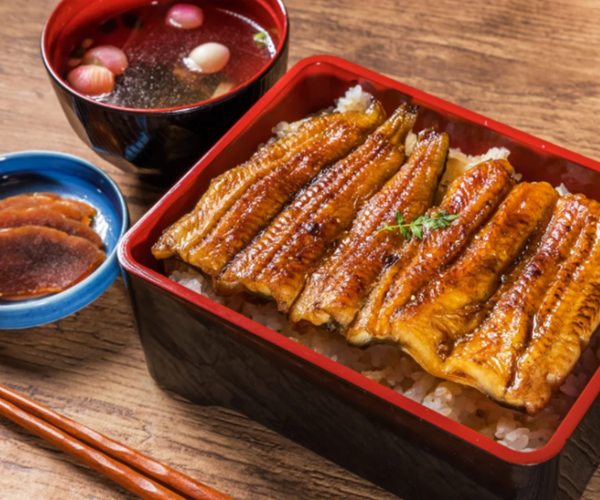
Start With the Ingredient List Rather Than the Sauce Name
The practical answer to what is unagi sauce made of depends on the product in front of you. “Unagi sauce,” “eel sauce,” “kabayaki sauce,” and “tare” are often used loosely in recipes, restaurants, and online listings. The label is more reliable than the marketing name.
For a home-style version, the usual starting point is soy sauce, mirin, sugar, and sometimes sake or water. These ingredients are simmered until the sauce tastes sweet, salty, and lightly caramelized. It can be excellent with eel, rice, chicken, vegetables, or sushi rolls. But it does not contain eel unless eel-derived ingredients are actually listed.
Use this first rule: if the ingredient panel lists soy sauce, sugar, mirin, alcohol, seasonings, or water but no eel, eel extract, eel broth, cooking juices, fish stock, or similar ingredient, treat it as a sweet soy glaze. Do not assume otherwise.
| What You See | Most Likely Meaning | Best Use | Limit |
|---|---|---|---|
| Soy sauce, mirin, sugar | Simple sweet soy glaze | Home grilling, rice bowls, sushi finishing | Does not provide eel-derived depth |
| Soy sauce plus eel cooking juices or broth | Eel-based tare | Restaurant-style kabayaki flavor | Formula can vary by producer or restaurant |
| Fish stock, bones, or concentrated cooking liquid | Broth-enriched sauce or nitsume-style preparation | Applications seeking deeper seafood character | Not every dark sauce is nitsume |
| “Eel sauce” on the front label only | Name alone is inconclusive | Check the back label before purchase | Front-of-pack wording does not confirm broth content |
For buyers, this distinction affects allergen review, menu wording, and flavor consistency. For home cooks, it prevents a common disappointment: expecting a rich, roasted-eel finish from a sauce that is simply sweetened soy.
When reviewing what is unagi sauce made of, ask for the current ingredient declaration and product specification. This is especially useful for foodservice purchasing, where one recipe may need to serve several dishes and remain consistent across repeat orders.
When a Simple Soy-Mirin-Sugar Glaze Differs From Tare or Nitsume
The short answer is clear: a soy-mirin-sugar glaze becomes meaningfully different from traditional tare or nitsume when eel broth, eel bones, eel trimmings, roasting drippings, or eel cooking juices are part of the preparation. The difference is not merely thickness or color. It is the source of flavor.
This boundary needs care because Japanese food terms are not used in exactly the same way everywhere. Some restaurants call their house kabayaki sauce “tare” even when the recipe is built mainly from soy sauce, mirin, sugar, and accumulated grilling juices. Other kitchens reserve certain terms for sauces reduced with seafood stock or cooking liquid. Therefore, a name alone cannot verify the formula.
Is a soy-mirin-sugar glaze still suitable for unagi?
Yes. A simple glaze is a practical choice when you want a clean sweet-salty finish, predictable ingredients, and easy home preparation. It suits grilled eel, rice bowls, and sushi applications. If your question is what is unagi sauce made of for a weeknight meal, soy sauce, mirin, and sugar may be all you need.
Its limit is depth. Without eel-derived juices or broth, it will not reproduce the rounder savory character associated with a sauce repeatedly brushed over eel during grilling.
When can a sauce honestly be described as eel-based tare?
Use that description when eel cooking juices, eel broth, roasted eel bones, eel trimmings, or another clearly declared eel-derived component is part of the sauce. The conclusion is simple: the formula contains a direct eel flavor source, not just a sauce commonly served with eel.
This fits restaurant-style kabayaki programs and buyers seeking a more layered grilled-eel profile. It does not apply when the sauce merely has a dark color, a thick texture, or the words “eel sauce” on its label.
Is nitsume always an eel sauce?
No. Nitsume is commonly associated with a reduced sweet sauce used in Japanese seafood preparation, and its ingredients can vary by kitchen and seafood application. It may use cooking liquid, bones, stock, soy sauce, sugar, or other seasonings. A nitsume-style sauce should not be assumed to contain eel unless the recipe or ingredient list says so.
That is the useful boundary: what is unagi sauce made of cannot be answered correctly by borrowing a broad culinary term. Verify the actual stock, broth, or cooking liquid used.
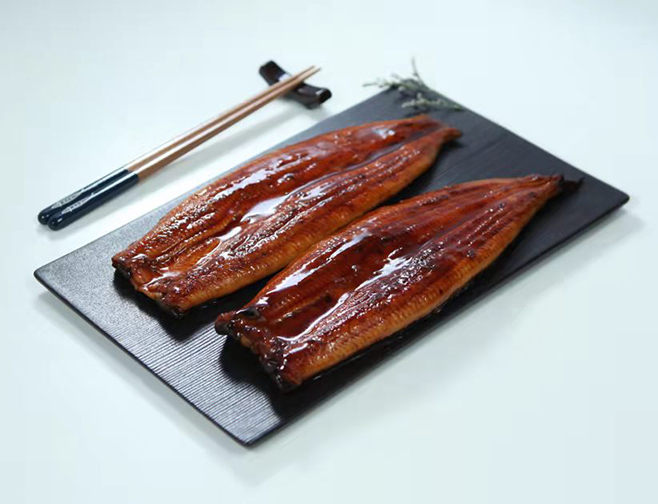
Use These Four Checks Before Making or Buying Sauce
The best decision is to match the sauce to the result you want. A simple glaze is easier to control. A broth-enriched tare may offer more depth. Neither is automatically better.
- Read the first ingredients. Look for soy sauce, sugar, mirin, water, alcohol, and seasonings. These indicate the base structure of many home-style glazes.
- Search for eel-derived wording. Check for eel, eel extract, eel broth, eel bones, eel stock, cooking juices, or similar terms. If none appear, do not describe the product as eel-broth tare.
- Check allergen and dietary requirements. Soy is commonly relevant in these sauces. If the formula contains eel or other seafood-derived ingredients, buyers should review the full declaration against their own market and menu requirements.
- Test it on the finished dish. Brush a small amount onto hot grilled eel, then taste it with rice. A sauce that tastes balanced from a spoon can become overly sweet or salty after reduction on the grill.
For home cooks wondering what is unagi sauce made of, this process avoids guesswork. For importers and foodservice buyers, it creates a simple approval record: ingredient list, allergen declaration, intended menu use, and sample evaluation result.
A simple sauce is usually the better fit when you need flexibility. It can glaze grilled fish, roasted vegetables, chicken skewers, or eel sushi roll recipe preparations without adding a pronounced broth note. A tare containing eel cooking juices is better suited to a menu that wants a more specific kabayaki-style identity.
Make a Home Glaze Without Pretending It Contains Eel Broth
If you want to know what is unagi sauce made of in many home kitchens, the method is straightforward: combine soy sauce, mirin, and sugar, then gently simmer until the sugar dissolves and the flavor tastes integrated. Some cooks add sake or water to adjust intensity.
The useful cooking point is restraint. Keep the heat at a gentle simmer, not a hard boil. A fast boil can make the sauce reduce too quickly, turning it salty or sticky before the flavors settle. Remove it from heat once it lightly coats a spoon; it will thicken further as it cools.
This home method fits small portions and quick meals. It does not replace a sauce that has been built from repeated eel grilling and retained cooking juices. If that deeper profile is the goal, use a verified eel-based tare or ask a supplier how the sauce is formulated.
For a grilled-eel meal, brush lightly near the end of cooking rather than soaking the eel early. The sauce can burn if exposed to intense heat for too long because of its sugar content. Apply a thin layer, heat briefly, then repeat if needed. This approach works particularly well with unagi kabayaki, where the eel is already prepared and the final sauce layer should support rather than hide its roasted character.
Common Mistakes When Comparing Unagi Sauce, Tare, and Nitsume
Conflicting recipes are not always wrong. They often describe different sauce types under similar names. These mistakes are easier to avoid once you separate recipe function from ingredient origin.
- Mistake: Assuming “eel sauce” means it contains eel.
Correction: Check the ingredient declaration. The name may refer to the intended pairing, not the contents. - Mistake: Calling every sweet soy glaze tare.
Correction: A kitchen may use that term, but buyers should still ask whether eel broth, bones, or cooking juices are included. - Mistake: Treating nitsume as one fixed formula.
Correction: Recipes vary. Confirm the seafood stock or cooking liquid before making menu, allergen, or flavor claims. - Mistake: Using a heavy coating too early on the grill.
Correction: Brush near the end. Sugar-rich sauce can scorch before the eel is properly heated. - Mistake: Choosing sauce before choosing the eel format.
Correction: Match the sauce to the product. A prepared kabayaki portion may need only a finishing brush, while plain grilled eel may need a fuller sauce application.
Useful food fact: the deepest-looking sauce is not necessarily the most eel-forward sauce. Color can come from soy sauce reduction, sugar caramelization, or repeated heating. When evaluating what is unagi sauce made of, flavor and ingredient evidence matter more than appearance.
How Buyers Can Specify the Right Sauce for Their Menu
For a restaurant, importer, or distributor, the correct sauce brief should be written before requesting samples. The conclusion is practical: specify the flavor source you require, not only the product name.
| Buyer Need | What to Request | Why It Fits | When It Does Not Fit |
|---|---|---|---|
| Simple, familiar sweet soy flavor | Ingredient list showing soy sauce, mirin, sugar, and related seasonings | Clear home-style profile and broad menu flexibility | Not suitable if an eel-derived broth note is required |
| Restaurant-style grilled eel profile | Confirmation of whether eel cooking juices or eel-derived ingredients are included | Helps align sauce description with actual flavor source | Not suitable for buyers seeking a strictly non-eel sauce formula |
| Export or retail label review | Current specification, ingredient declaration, and packaging details | Supports internal product approval before purchase | Does not replace destination-market compliance review |
| Kabayaki meal preparation | Sample tested on the intended eel portion and rice serving | Shows sweetness, salt level, and coating behavior in real use | One sample test cannot predict every cooking setup |
Eelpro supplies frozen unagi kabayaki and eel sauce for buyers who need product information before selecting a format. Our facility operates under ISO 22000:2018, HACCP, HALAL certification, export food producer registration, and an SC food production license. Product verification remains the right starting point: request the applicable specification and confirm the ingredients for the exact item you intend to purchase.
For supply planning, Eelpro has two production lines with an annual finished-goods capacity of 4,000 tons and a 1,000-ton cold storage facility. Regular order delivery is approximately 30 days from order confirmation to shipment, subject to specification and quantity. This does not mean every sauce or eel order follows the same schedule; the product format, packaging, and order size should be confirmed before commitment.
Buyers comparing what is unagi sauce made of across suppliers should also separate sauce questions from eel questions. A good kabayaki portion depends on raw-material control, roasting, cutting, packaging, and reheating performance. Eelpro is supported by approximately 20 customs-registered farming bases covering more than 2,150 mu, with traceability from farming registration through shipment. Learn how source control connects to finished products on our unagi eel farm page.
Choose the Description That Matches the Actual Recipe
The most accurate answer to what is unagi sauce made of is not one universal formula. A home glaze may be soy sauce, mirin, sugar, and optional sake or water. A restaurant tare may gain additional character from grilling drippings or eel-derived cooking liquid. A nitsume-style sauce may use reduced seafood stock, but it is not automatically eel-based.
For home cooking, choose the simple glaze when you want speed, familiar ingredients, and a clean finish. For a menu that calls for deeper roasted-seafood notes, ask whether the sauce includes verified eel broth, bones, or cooking juices. For retail and import purchasing, rely on the ingredient declaration and specification, not a product name alone.
If you are still comparing options, request an eel sauce specification or a sample for your intended kabayaki dish.