


What is Unagi Sauce Made Of? A Look at the Core Ingredients
For food importers and restaurant chains, the quality of a finishing sauce can define a dish. Many ask, what is unagi sauce made of to achieve that perfect balance of sweet, savory, and umami? At its core, this classic Japanese glaze, also known as unagi no tare, is built from just four primary ingredients: soy sauce, mirin, sugar, and sake. However, the true quality lies not just in the list of ingredients, but in their specific ratios, their quality, and the cooking process itself. An imbalance can lead to a sauce that is too salty, burns too quickly under heat, or lacks the glossy sheen customers expect on their unagi kabayaki.
As a food safety and quality specialist who has overseen production for clients in Japan, the US, and the EU, I've seen firsthand how variations in these simple components affect the final product's stability, flavor profile, and compliance with import standards. Understanding how each ingredient functions is the first step for any buyer looking to source a consistent, high-quality product for their market.
The Core Four: Deconstructing Unagi Sauce Ingredients
The magic of unagi sauce comes from the chemical reactions between its components when heated. Caramelization from sugar, the Maillard reaction between amino acids and sugars, and the rich umami from soy sauce all combine to create the final product. For a commercial producer, controlling these reactions is everything. Here’s a technical breakdown of what each core ingredient contributes.
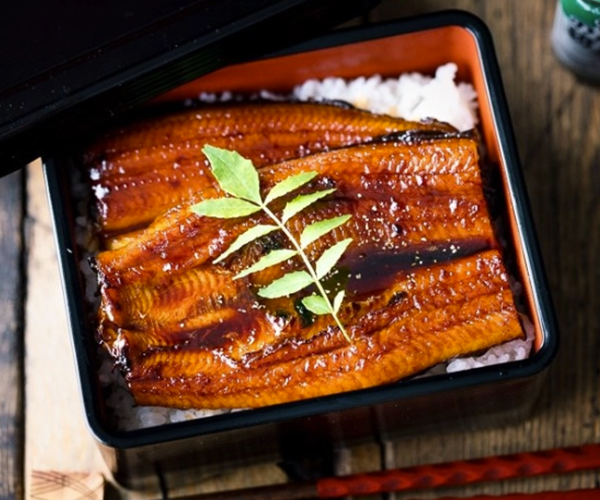
| Ingredient | Primary Function | Impact on Flavor & Aroma | Impact on Texture & Appearance | Key Sourcing Consideration for B2B |
|---|---|---|---|---|
| Soy Sauce (Shoyu) | Provides umami and salinity. Forms the savory base. | Delivers a deep, salty, and fermented flavor profile. The quality determines the complexity of the umami. | Contributes the dark, rich color. Its amino acids are essential for the Maillard reaction. | Sodium content and brewing method (naturally brewed vs. chemically hydrolyzed) impact both taste and labeling requirements in certain markets. |
| Mirin | Adds sweetness, aroma, and sheen. | Provides a complex, mild sweetness and a distinctive aroma that cuts through the richness of the eel. Its alcohol content helps mellow any fishy notes. | The sugars in mirin create a beautiful, glossy glaze (teri) when reduced. It helps the sauce cling to the eel. | Look for hon-mirin (true mirin) specifications. Lower-quality substitutes often contain corn syrup and have a less complex flavor. Alcohol content may be a factor for HALAL certification. |
| Sugar | Adds sweetness and drives caramelization. | Balances the saltiness of the soy sauce. As it cooks, it caramelizes, adding notes of toffee and depth. | Crucial for viscosity. The concentration of sugar (measured in Brix) directly affects the final thickness of the reduced sauce. | The type of sugar (white, brown, rock) affects the final color and flavor notes. Brix level is a critical spec for consistency and application performance (e.g., preventing burning). |
| Sake | Adds depth and removes odors. | Adds another layer of umami from its amino acids and a subtle fruity fragrance. The alcohol helps to tenderize the eel and neutralize any unwanted odors. | Primarily a flavor and aroma agent, its contribution to texture is minimal once the alcohol has cooked off. | The quality (e.g., junmai vs. cooking sake) influences the final flavor profile. Like mirin, its presence must be managed for HALAL-certified production lines. |
Buyer's Checklist: Sourcing Commercially Stable Unagi Sauce
Moving from a recipe to a commercial product introduces challenges of scale, consistency, and shelf life. For importers and distributors, simply asking "what is unagi sauce made of" is not enough. You need to verify the process and specifications to ensure the product performs reliably in a commercial kitchen. Before placing a bulk order, use this checklist to qualify your supplier.
-
What is the Brix level (sugar concentration)?
This is a direct measure of sweetness and thickness. A higher Brix means a thicker, sweeter sauce that glazes well but may burn faster. A lower Brix sauce is better for marinating or as a lighter drizzle. Ensure the supplier provides a target Brix with a tight tolerance range (e.g., 55° ± 2°). This is a critical control point we monitor in the eel lab of Eelpro Co., Ltd to guarantee batch-to-batch consistency.
-
Is the viscosity achieved through reduction or thickeners?
A traditionally made sauce is thickened by simmering and reducing the liquid, concentrating the natural sugars. Some commercial sauces use starches (like corn or xanthan gum) to achieve thickness quickly and at a lower cost. This can affect the mouthfeel and how the sauce behaves when reheated. Ask for the ingredient declaration to confirm.
-
What are the food safety certifications?
For export, this is non-negotiable. Look for a supplier with internationally recognized certifications like ISO 22000:2018 and HACCP. These systems ensure that risks are controlled from raw material sourcing to final packaging. For specific markets, certifications like HALAL are also necessary. Eelpro holds all three, simplifying import for our partners in Southeast Asia and beyond.
-
Can the supplier provide a Certificate of Analysis (COA) per batch?
A COA provides test results for key parameters like salinity, pH, Brix, and microbiological counts. This document is your proof that the batch you receive meets the agreed-upon specifications. It is standard practice for experienced exporters supplying markets like Japan and the EU.
-
What is the packaging format and shelf life?
Consider your end-user. Do they need large foodservice jugs, retail-sized bottles, or single-serving packets? Ensure the packaging materials are food-grade and that the supplier has conducted stability testing to validate the stated shelf life under different storage conditions.
Avoiding Common Pitfalls in Eel Sauce Formulation
Based on my experience guiding clients through import compliance, several common issues arise from poorly formulated eel sauce. These problems can impact everything from kitchen efficiency to customer satisfaction. Understanding them helps you ask better questions of your supplier.
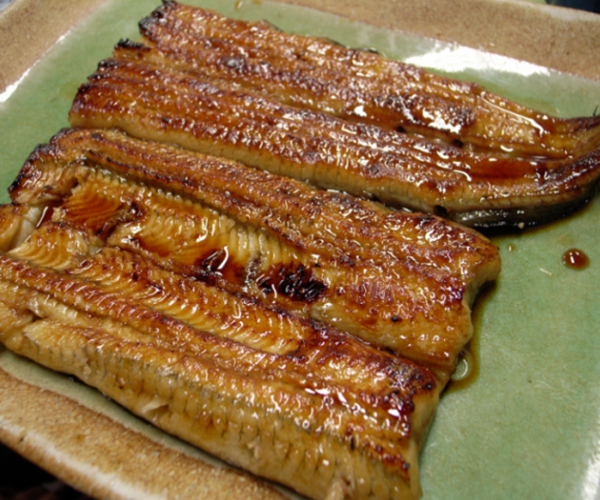
Mistake 1: The Sauce Burns During Reheating.
This is typically caused by excessively high sugar content or the wrong type of sugar. When a restaurant reheats a product like our frozen eel supplier provides, the sauce should caramelize, not burn. A well-formulated sauce balances the sugar content to withstand standard reheating methods (grilling, broiling, or microwaving). Our patented low-fat roasting process for eel considers how the sauce will interact with the product during final preparation by the chef.
Mistake 2: The Glaze is Dull and Lacks Sheen.
The beautiful gloss on perfectly cooked unagi comes from the sugars in high-quality mirin. If a supplier substitutes this with corn syrup or other cheap sweeteners, the sauce may be sweet but will lack that characteristic luster. The sheen is not just for appearance; it's an indicator of authentic ingredients.
Mistake 3: The Flavor is One-Dimensional (Just Salty and Sweet).
This happens when low-quality soy sauce and flavor enhancers are used instead of genuine soy sauce, mirin, and sake. A great unagi tare has layers of flavor: umami from fermentation, complexity from the rice wines, and depth from caramelization. It should never be a simple salt-and-sugar syrup. For an even deeper dive into this, our guide on a kabayaki sauce recipe: fix flavor mistakes can be a helpful resource.
At Eelpro, our 4,000-ton annual production capacity is built on a foundation of quality control. We apply the same rigorous standards to our eel sauce as we do to our roasted eel, ensuring the final product meets the demanding expectations of our long-term partners, from Japanese restaurant chains to US and German food importers.
The ingredients are simple, but the execution is complex. By focusing on the quality of each component and maintaining precise process control, a supplier can deliver a product that is not just a condiment, but a critical element of a premium dining experience.
To receive a full specification sheet for our unagi sauce or to discuss your import requirements, please get in touch with our team.