

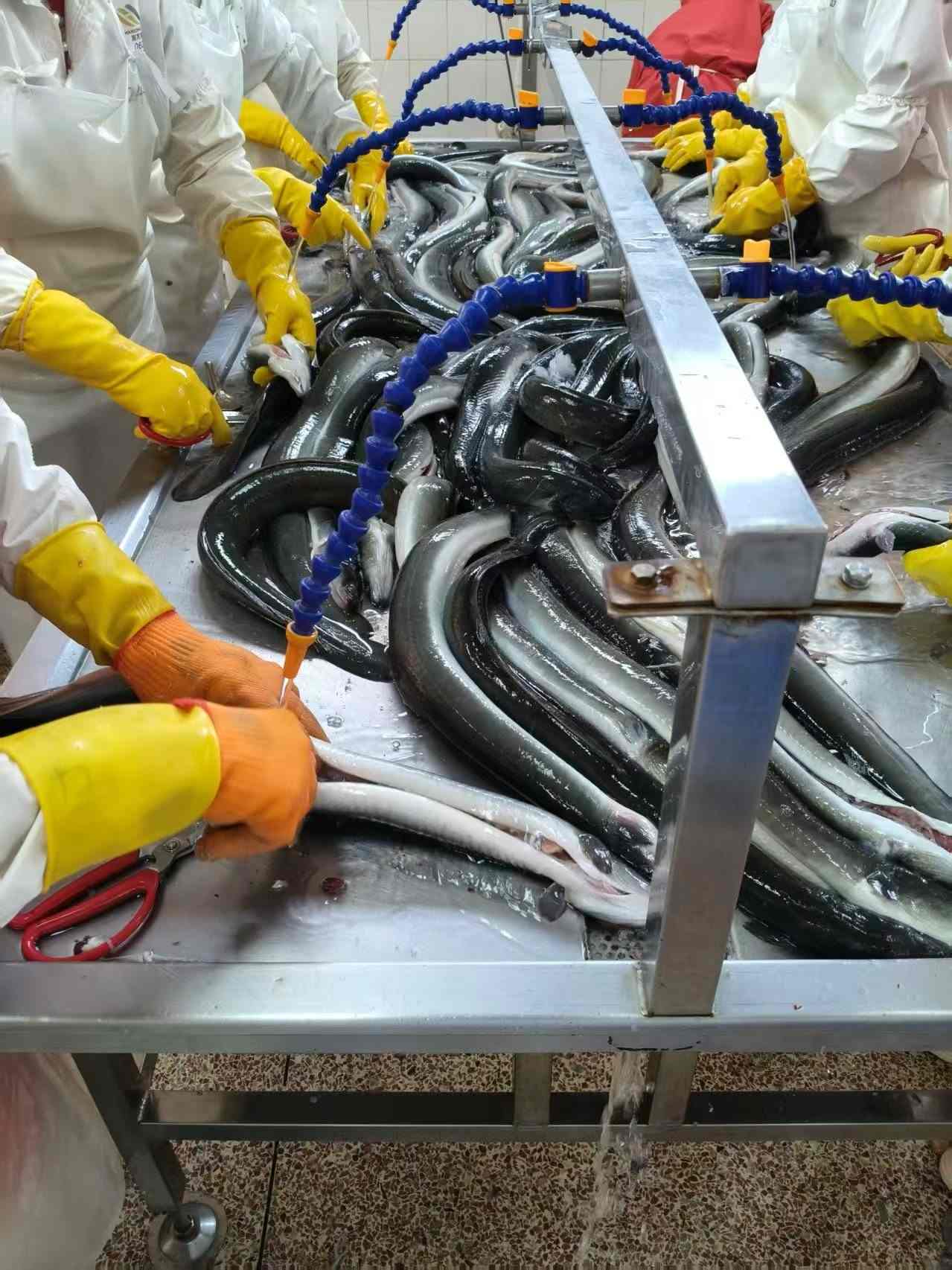
Finding the right substitute for eel sauce is key for consistent flavor
Choosing a glaze for unagi, sushi rolls, or rice bowls presents a clear challenge for food service operators and importers. Authentic unagi tare, with its deep umami and perfect viscosity, sets a high standard. When a direct supply isn't an option, selecting a substitute for eel sauce becomes a critical decision that impacts flavor profile, texture, visual appeal, and ultimately, customer satisfaction. Using the wrong alternative can result in a glaze that is too thin, burns too quickly under a broiler, or overpowers the delicate flavor of the seafood.
This decision isn't just about taste; it's about operational consistency and supply chain reliability. For businesses supplying restaurant chains in Japan or food importers in the United States, the sauce must perform predictably every time. At Eelpro, our work with clients across the EU and Southeast Asia has shown that the ideal alternative depends entirely on the application. We understand the technical requirements, from HALAL certification for Indonesian markets to meeting stringent EU veterinary drug residue standards. This guide breaks down the best substitutes for specific dishes, helping you make a choice that protects your product's integrity.
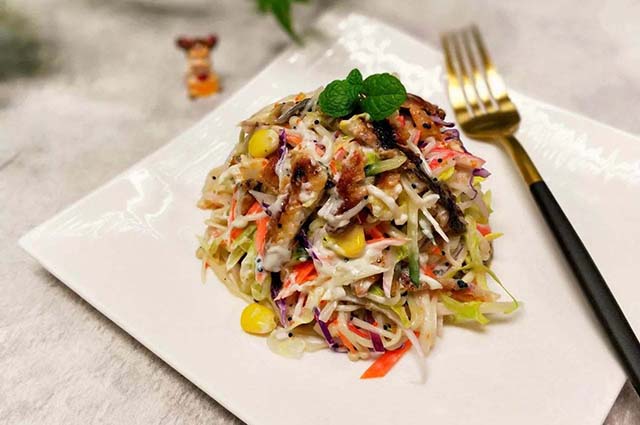
Matching the Sauce to the Dish: A Practical Application Guide
Not all sauces are created equal, and the perfect substitute for a baked sushi roll may be a poor choice for delicate nigiri. The goal is to complement, not dominate. The wrong viscosity can make a dish messy, while an overly aggressive flavor can mask the primary ingredients. As our Senior Food Safety & Quality Specialist, Nancy Chen, often explains, "The interaction between the sauce, the rice, and the protein is a technical balance. You need to consider sugar content for browning, saltiness for flavor, and thickness for cling."
Here is a breakdown of common substitutes and their best-fit applications for commercial kitchens and food production.
| Dish Application | Recommended Substitute | Why It Works | When to Avoid It |
|---|---|---|---|
| Unagi Nigiri & Sushi Rolls | Thickened Soy-Mirin-Sugar Glaze (DIY) | Offers the most control over sweetness, saltiness, and viscosity. Can be thickened with a cornstarch slurry to perfectly mimic the cling of authentic unagi tare without adding unwanted flavors. | Not ideal for high-volume production unless you have standardized recipe and cooking procedures. Batch-to-batch consistency can be a challenge without proper quality control. |
| Unagi Don (Eel Rice Bowls) | High-Quality Teriyaki Sauce | Its flavor profile is the closest mainstream alternative. It provides the necessary sweet and savory notes and is widely available, ensuring supply chain stability. Works well as both a glaze for the eel and a sauce for the rice. | Avoid thin, low-cost teriyaki sauces. They lack the body to coat the eel properly and can make the rice soggy. Check the ingredient list for high-fructose corn syrup, which can lend a one-dimensional sweetness. |
| Grilled & Broiled Seafood (e.g., Salmon, Mackerel) | Hoisin Sauce (thinned slightly) | Hoisin brings a complex, slightly spiced sweetness that pairs exceptionally well with richer, oilier fish. Its thick consistency holds up well to high heat, creating a beautiful caramelized crust. | Its distinct flavor, often containing fermented soybean paste and five-spice powder, is not a direct match for traditional Japanese profiles. Do not use it for classic unagi dishes where authenticity is key. |
| Glazing Non-Seafood Items (e.g., Chicken Skewers, Tofu) | Oyster Sauce | Provides a potent savory, umami-rich base with a natural thickness and glossy finish. It has a robust flavor that stands up to other ingredients in a complex dish. | Contains shellfish, making it unsuitable for customers with allergies. Its flavor is distinctly oceanic and savory, lacking the clean sweetness of true eel sauce, making it a poor fit for delicate sushi. |
Common Mistakes to Avoid When Sourcing an Eel Sauce Alternative
Switching from authentic unagi tare requires careful consideration of more than just flavor. B2B buyers, from German food distributors to Australian foodservice suppliers, must evaluate technical specifications to prevent costly errors in production or negative feedback from end-users. Based on over a decade of guiding clients through import compliance, here are the most frequent missteps we've observed.
- Ignoring Viscosity and Solids Content: A common failure is choosing a sauce that is too thin. A low-viscosity glaze will not cling to unagi kabayaki during heating, resulting in a bare product and a puddle of sauce at the bottom of the package. Always request technical specifications for viscosity (measured in centipoise) to ensure it meets your application's needs, whether for automated glazing lines or manual kitchen prep.
- Overlooking Sugar Browning (Maillard Reaction): Different sugars caramelize at different rates. A substitute with a high concentration of simple sugars like fructose can burn quickly under a commercial broiler or salamander, creating bitter, acrid flavors before the protein is properly heated. An authentic eel sauce is formulated for controlled browning, like the one used in our 4-layer soy-sauce coating process.
- Failing to Verify Certifications: Assuming a "Japanese-style" sauce meets international food safety standards is a major risk. For export, certifications are non-negotiable. Our facility is ISO 22000:2018 and HACCP certified, and our products hold HALAL certification, ensuring access to diverse markets like Indonesia and other regions. Always request documentation to avoid customs rejection or liability issues.
- Neglecting the Impact of Added Flavors: Some substitutes contain strong additional flavors like garlic, ginger, or sesame. While delicious in their own right, these can clash with the traditional flavor profile expected of an eel dish. This can be particularly problematic for long-term supply contracts with Japanese restaurant chains that demand authenticity and consistency.
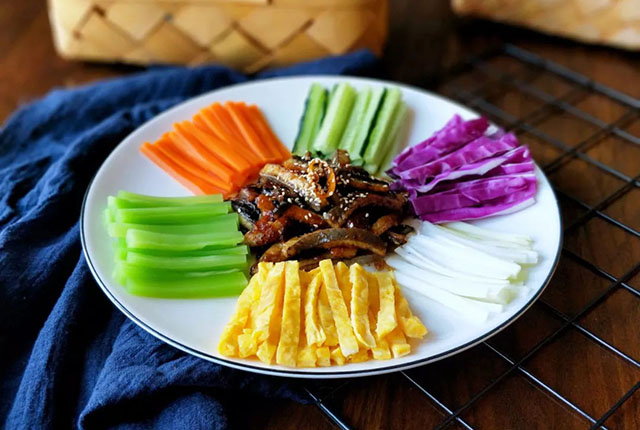
Why Authentic Unagi Tare Delivers Superior Performance
While substitutes can work in many scenarios, authentic unagi tare remains the superior choice for premium applications. The difference lies in the depth of flavor and the functional properties derived from its traditional preparation. True unagi sauce often incorporates a stock made from simmering eel bones, which imparts a rich, complex umami that simple soy-sugar-mirin blends cannot replicate.
This complexity is central to our production philosophy at Eelpro. Our patented low-fat roasting and deodorizing technology prepares the eel for glazing. Then, our signature 4-layer coating process applies the sauce at precise, temperature-controlled steps. This method ensures the sauce adheres perfectly, creating a glaze that is both flavorful and visually flawless. This is the quality that our partners, from Polish importers to US food service distributors, rely on.
Furthermore, an authentic sauce from a dedicated frozen eel supplier is engineered for performance. The viscosity is standardized for consistent application, and the sugar-to-soy-sauce ratio is balanced to achieve perfect caramelization without burning. This reliability reduces back-of-house labor and food waste, as chefs don't need to adjust or correct an inconsistent product. Our 4,000-ton annual production capacity and 1,000-ton cold storage facility ensure that we can deliver this consistent quality on schedule.
Buyer's Checklist for Sourcing Eel Sauce and Alternatives
For procurement managers and food importers, making the right sourcing decision requires a systematic approach. Before issuing a purchase order, use this checklist to qualify potential suppliers and ensure the product meets your technical and commercial needs. This protects you from trade risks and ensures the product performs as expected in the final application.
- Define Your Technical Requirements:
- What is the target viscosity (thickness) for your application (e.g., glazing, dipping, drizzling)?
- What is the desired flavor profile (e.g., sweetness level/Brix, saltiness, umami intensity)?
- Are there any ingredient restrictions (e.g., no MSG, gluten-free, specific soy sauce origin)?
- Verify Food Safety and Compliance:
- Does the supplier hold internationally recognized certifications like ISO 22000:2018 or HACCP?
- Can they provide proof of HALAL certification if required for your market?
- Do their products meet the food inspection standards (e.g., veterinary drug residues, microbiological limits) for your target import region (e.g., Japan, US, EU)? Our 25 quality-control specialists and in-house eel lab ensure these standards are met.
- Assess Production and Supply Chain Capability:
- What is the supplier's annual production capacity and typical lead time? (Our standard is approx. 30 days).
- Do they have adequate cold storage facilities to maintain product quality? (We operate a 1,000-ton facility).
- Can they demonstrate full-chain traceability from raw material sourcing? (We manage ~20 customs-registered eel farming bases).
- Request Samples and Documentation:
- Always test a sample in your intended application before committing to a large volume.
- Request a full product specification sheet, including ingredient declaration, nutritional information, and shelf life.
Using a structured evaluation process minimizes risk and helps build a reliable partnership with a supplier who understands the demands of global food export. The right sauce is more than an ingredient; it's a guarantee of quality for your customers.
For more details on our export-grade eel sauce and unagi products, please contact our team to request a full specification sheet or a product sample.