

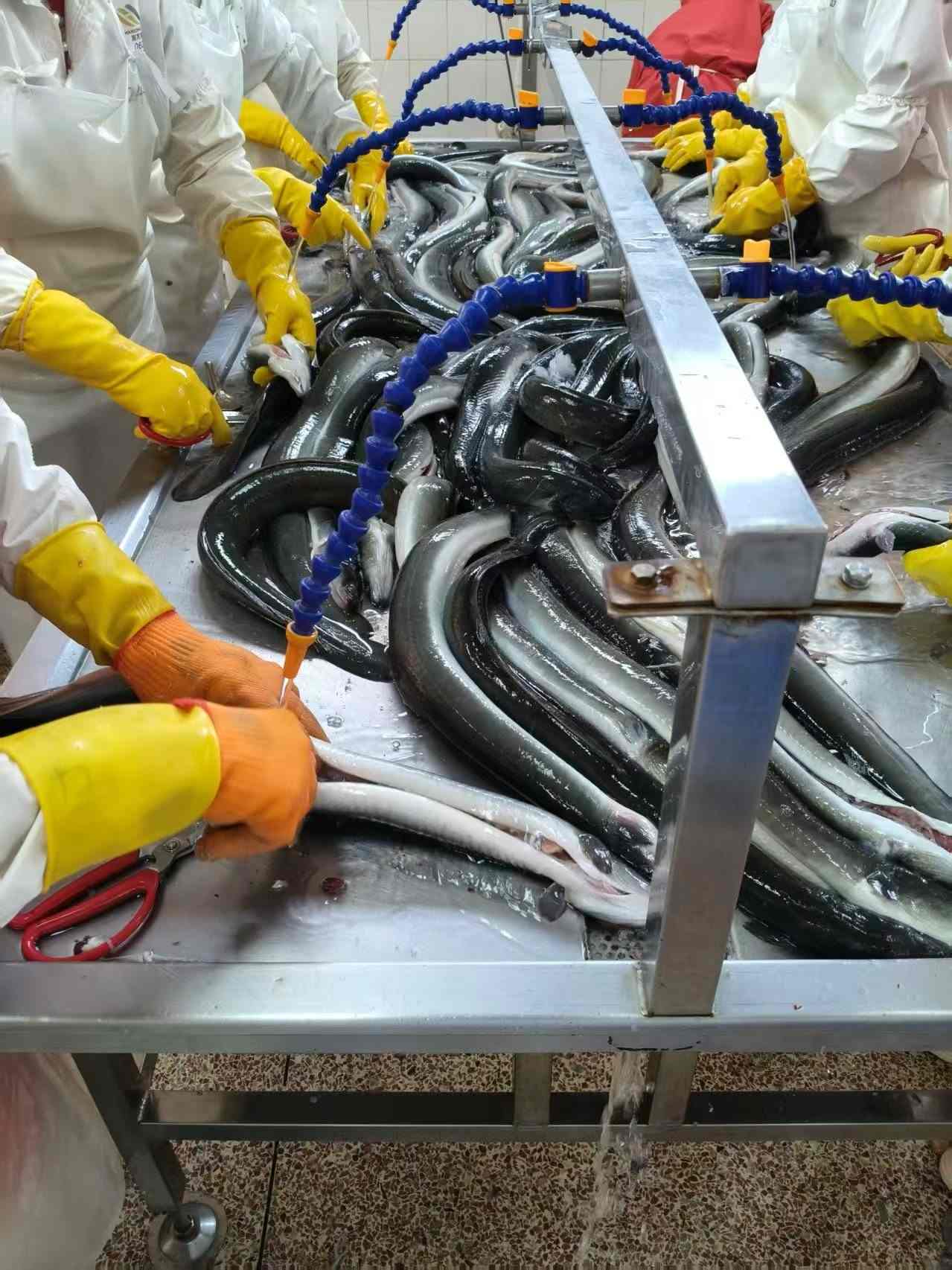
Cook Eel Soup With Tender Intact Conger Pieces
A beautiful bowl of eel soup can fail in one frustrating moment: the broth boils hard, the conger eel is stirred too soon, and the neat pieces turn into flakes. The fix is not a fancy ingredient. It is gentle heat, a quiet pot, and the right add-in order.
Conger eel has a soft, delicate structure. That is exactly why it tastes so pleasant in clear soup, miso-based broths, noodle bowls, and light seafood stews. It also means the cook must treat each piece differently from firm fish fillets, shellfish, or roasted eel.
This guide is for home cooks and menu developers preparing conger eel from fresh or frozen stock. The method focuses on texture first. A clear broth, tender flesh, and pieces that arrive in the bowl whole are the goal.
Choose conger eel pieces that can stay whole in the bowl
Start with pieces that are suitable for poaching. The best choice for eel soup is cleanly cut conger eel with a consistent thickness and no heavy ice buildup. Uniform pieces do not guarantee identical cooking, but they make the timing easier to control.
For a clear soup, choose plain conger eel rather than heavily glazed, fried, or strongly seasoned eel. A seasoned product can be excellent in rice bowls, sushi, or noodles, but its sauce may cloud a delicate broth. For a sweet-savory grilled application instead, see our unagi kabayaki product page.
| Ingredient format | Best use | Why it works | Limit or caution |
|---|---|---|---|
| Fresh conger eel pieces | Clear broth and made-to-order bowls | Texture can be assessed before cooking, and surface moisture is easier to manage. | Must be kept cold and handled carefully to avoid quality loss. |
| Properly thawed frozen conger eel | Home cooking and consistent menu prep | Convenient portion control and less trimming at service time. | Do not add it to the pot while still covered in thick ice crystals. |
| Frozen conger eel added partly frozen | Not recommended for clear soup | It may appear convenient during busy prep. | It cools the broth unevenly and encourages longer cooking, which can cause breakage. |
| Pre-cooked glazed eel | Rich noodle bowls or rice dishes | Adds ready-made roasted flavor. | It is not the best starting point for a light conger broth because the glaze changes the soup flavor. |
When using frozen fish, thaw it under controlled refrigerated conditions according to the product instructions. Once thawed, gently blot the surface with clean paper towels. The conclusion is simple: remove excess surface water before cooking. This helps the broth stay clean and reduces splashing when the eel reaches the hot liquid. Do not press hard. Conger flesh bruises and separates easily.
For broader ingredient sourcing, our frozen seafood range may be useful when building mixed seafood soup menus. Keep the conger eel separate from firmer seafood during prep, because each ingredient needs its own cooking point.
Use a quiet broth rather than a rolling boil
The main rule behind tender eel soup is easy to remember: the broth should move gently, not violently. A rolling boil creates strong currents. Those currents knock the eel against the pan, loosen the flesh, and split the pieces along natural muscle layers.
This cooking approach is called poaching. In practical kitchen terms, poaching means cooking delicate food in hot liquid that shows only light movement. You may see a little steam and occasional small bubbles near the edge of the pot. You should not see the entire surface churning.
Use a wide pot when possible. A crowded narrow saucepan forces you to stack pieces, stir more often, and lift them repeatedly. A wider vessel gives each piece room to settle in one layer. This fits family soup portions and restaurant test batches. It does not apply when you are producing a thick stew designed to be stirred continuously; in that case, consider serving the eel on top rather than simmering it inside.
Build the broth before the eel enters
Prepare the soup base completely first. Your broth can be light stock, kelp-based stock, vegetable broth, or a mild seafood broth. Add aromatics such as ginger, scallion, mushroom, greens, or radish early enough for their flavor to develop. Then remove any tough vegetable pieces that would make stirring necessary later.
Season before adding the eel, but keep the broth balanced. Salt, soy sauce, and a small amount of sweet-savory sauce can work well. If you want a deeper roasted note, use eel sauce sparingly and taste before adding more. Its purpose is to support the broth, not turn the entire bowl into a glaze.
A useful menu-development rule is this: if the broth tastes right before the eel goes in, it will usually need little adjustment after cooking. That matters because frequent late stirring is one of the fastest ways to damage tender pieces.
Poach conger eel and add it at the right time to keep pieces intact
This is the defining action for eel soup: add conger eel near the end, lower it into calm broth, and leave it alone until the flesh has turned opaque and tender. Do not treat it like diced meat that can simmer through the full cooking process.
The conclusion is clear. Conger eel should be the final protein added to the pot. The reason is structural: long exposure to active heat makes its flesh fragile, while agitation makes that fragility visible as broken flakes. This method suits clear broth, noodle soup, and lightly seasoned bowls. It is less suitable for recipes where eel is intentionally shredded or mashed.
- Finish the broth first. Cook vegetables, mushrooms, noodles, or other slow-cooking ingredients before the eel goes in. Taste the broth and make major seasoning adjustments now.
- Reduce the heat until the liquid is calm. Look for gentle movement around the edge rather than a hard boil across the surface. If the pot is loud and bubbling hard, wait.
- Lower the conger eel pieces one by one. Use a spoon, spatula, or clean chopsticks to support each piece from underneath. Drop them from a height and they may split on impact.
- Place pieces in one layer. Give them space. Overlapping is acceptable only when unavoidable, but avoid piling them into a mound.
- Do not stir after adding the eel. Instead, gently shake the pot handle if you need to move broth around the pieces. This is much safer than scraping through the pan with a spoon.
- Watch the flesh, not the clock. The eel is ready when it looks opaque, feels tender, and holds together when lightly supported from below.
- Serve with a wide spoon or shallow ladle. Lift both broth and eel together. Pouring soup aggressively over the pieces can break them at the final moment.
For frozen pieces, the same sequence applies after proper thawing. Do not compensate for cold fish by boiling harder. That is a common mistake. Instead, keep the broth gentle and allow the pieces to warm through without being battered by turbulent liquid.
Common failure reasons and fast corrections
| What went wrong | What you see | Immediate correction | Prevention for the next batch |
|---|---|---|---|
| The broth boiled hard | Pieces curl, crack, or shed flakes. | Lower the heat at once and stop stirring. | Bring the broth close to serving readiness before the eel is added. |
| The eel was added too early | The soup is ready, but the eel looks ragged. | Serve promptly rather than holding it in the pot. | Add the eel only after vegetables and seasonings are finished. |
| The cook stirred to prevent sticking | Small fragments cloud the broth. | Use a gentle pot shake instead of a spoon. | Use a wider pot and arrange pieces in one layer. |
| Frozen pieces carried excess ice | Broth temperature drops and cooking becomes uneven. | Remove pieces, thaw correctly if safe to do so, and reset the broth. | Thaw and blot before cooking. |
| The serving tool was too narrow | The eel breaks while being transferred. | Use a wide spoon to support the full piece. | Plan plating tools before the soup is finished. |
Match the broth style to the eel’s delicate flavor
A good eel soup does not need a crowded ingredient list. Conger eel has a gentle marine sweetness, so a clean base often gives the best result. Think of the soup as a frame. The broth should make the eel easier to notice, not cover it completely.
- Clear ginger and scallion broth: Best for cooks who want the eel to be the center of the bowl. Use thinly sliced aromatics and add fresh herbs at serving. Avoid heavy chili oil if the goal is a clean finish.
- Mild miso-style broth: Best for a comforting, fuller-bodied bowl. Dissolve the seasoning before the eel enters. Do not whisk aggressively after adding delicate fish.
- Noodle soup broth: Best for a complete meal. Cook noodles separately if they need vigorous boiling, then combine them with the finished broth before adding the eel. Our how to cook eel noodle soup guide offers more serving ideas.
- Mushroom and leafy green broth: Best for a light menu with visual contrast. Cook firmer mushrooms first, then add greens shortly before the conger eel.
Cold fact: the broth’s surface movement can matter more than its flavoring when the goal is intact conger eel. A perfectly seasoned soup still looks disappointing if the pieces have broken apart. That is why the final minutes deserve calm heat and minimal handling.
Set up a practical workflow for home cooks and menu developers
For home cooks, the easiest workflow is to prepare all garnishes before turning on the final heat. Slice scallions, portion herbs, warm bowls, and set out serving spoons. Once the eel enters, your attention should stay on the pot.
For menu developers, separate the process into broth production and eel finishing. Hold the finished broth at a gentle serving condition, then poach conger eel only for each order or small service batch. This gives better texture than cooking a large quantity of eel and holding it in hot soup.
Use this checklist before serving eel soup:
- Is the broth already seasoned and free of large ingredients that require stirring?
- Are the conger eel pieces thawed, blotted, and arranged for easy placement?
- Has the heat been reduced from a hard boil to gentle movement?
- Is there enough surface area for the pieces to rest without crowding?
- Are wide spoons ready for lifting and serving?
- Will garnishes be added after the eel, rather than stirred through it?
If you are working with roasted freshwater eel instead of conger eel, change the method. Reheat the roasted product gently and use it as a topping rather than simmering it in the broth for an extended period. For additional preparation ideas, see our how to cook eel easy methods and tips.
Source eel products with handling and food safety in mind
Texture begins before cooking. Whether you are testing a recipe at home or developing a foodservice bowl, ask suppliers about product form, cut style, storage instructions, and intended application. A supplier should be able to explain whether a product is better suited to roasting, slicing, soup finishing, or rice bowls.
Eelpro Co., LTD operates two modern production lines with an annual finished-goods capacity of 4,000 tons, supported by a 1,000-ton cold storage facility. The company holds ISO 22000:2018, HACCP, HALAL certification, export food producer registration, and an SC Food Production License. Its quality system includes an in-house laboratory and metal detectors at control points.
For buyers who need traceability details, Eelpro works with approximately 20 customs-registered eel farming bases covering more than 2,150 mu. These controls are relevant to frozen eel procurement, although the final cooking method for a delicate conger eel soup still depends on quiet broth and careful timing in the kitchen.
Want help selecting an eel format for your next soup test or menu concept? Contact Eelpro to request product guidance or a specification sheet.