

Why Eel Sauce Without Mirin Tastes Too Sharp and How to Fix It
You simmered soy sauce, sugar, and a splash of vinegar because the mirin bottle was empty. Ten minutes later, the glaze bites back — sharp, sour, almost metallic on the tongue. That reaction is common. Eel sauce without mirin often tastes unbalanced because vinegar brings raw acidity that mirin's natural sugars and mild alcohol were built to soften. The fix isn't a new recipe. It's three adjustments: simmer time, sugar ratio, and dilution.
What Sharpness Actually Signals — A Diagnosis Order
Before you dump in more sugar, check things in this order. Guessing wastes ingredients and time.
- Check the acid ratio first. If you swapped vinegar for mirin at a 1:1 ratio, that's almost always the top cause. Mirin carries roughly 40-50% natural sugar content; plain rice vinegar carries none. A straight swap removes sweetness while keeping acidity.
- Check simmer time second. A glaze simmered under 8 minutes hasn't had time to cook off the sharp edge of vinegar's acetic acid. The harshness you taste is often just unreduced acid, not a recipe flaw.
- Check sugar level third. If sugar wasn't increased to offset the missing mirin sweetness, the sauce will taste thin and sour even after a long simmer.
- Check dilution last. If the sauce still tastes sharp after fixing the above, it may simply be too concentrated. A tablespoon of water or dashi broadens the flavor without erasing depth.
The Boundary — When Acidic Substitutes Work and When They Break the Glaze
There's a real line between "a workable mirin substitute" and "a sauce that tastes like salad dressing." Knowing where that line sits saves a batch before it's ruined.
| Symptom | Likely Cause | Correction |
|---|---|---|
| Sharp and sour on first taste, thin body | Raw acid not cooked down | Simmer an additional 5-7 minutes on low heat, stirring often |
| Sharp but glaze looks glossy and thick | Sugar ratio too low for the acid used | Add sugar in 1 teaspoon increments, tasting after each addition |
| Sharp and overly salty together | Soy sauce ratio too high relative to sweet-acid balance | Dilute with 1-2 tablespoons water or dashi, then rebalance sugar |
| Sharp with a lingering alcohol-like bite | Wrong substitute ratio for the sake-plus-mirin combination | Add a pinch of sugar and simmer 3 more minutes to mellow it |
The boundary is simple: acidic substitutes stay safe when used in small volume — around 1-2 teaspoons per cup of sauce — paired with extra sugar and a full 10-12 minute simmer. They break down when a cook pours in a full mirin-equivalent measure of vinegar without adjusting sugar or cook time. That's the exact moment sharpness turns into an unpleasant sour edge nobody wants on grilled unagi.
Substitute Comparison — What to Use Instead of Mirin
Not all substitutes behave the same way. Here's how the common options compare when building kabayaki sauce from scratch.
| Substitute | Acidity Level | Sugar Adjustment | Simmer Time | Best Use Case |
|---|---|---|---|---|
| Rice vinegar | Low | +1 tbsp per 1/4 cup swapped | 10-12 min | Closest flavor match to mirin's tang |
| Apple cider vinegar | Medium | +1.5 tbsp | 12-15 min | Backup option; watch for fruity notes |
| Dry white wine | Low-medium | +1 tbsp | 10 min | Adds mild depth, less sweetness needed |
| Sake plus sugar | None | Add sugar to taste | 8 min | Best non-acidic substitute overall |
| Water plus sugar only | None | Add sugar to taste | 8 min | Mildest option, flattest flavor profile |
If a recipe calls for both mirin and sake, and you're out of both, sake plus a bit of extra sugar generally rebalances better than any acid-based swap. Acid corrects flavor only when the sweetness and simmer time are corrected alongside it.
A Worked Example
A home cook making a standard batch — 1/2 cup soy sauce, 1/4 cup sugar, 1/4 cup mirin — swapped the mirin for 1/4 cup rice vinegar straight, no other changes. Result: sharp, thin, unpleasant. The fix: add 2 tablespoons sugar, simmer 6 extra minutes, then dilute with 1 tablespoon water. The second batch came out glossy and balanced, close to what mirin would have delivered on its own.
Common Mistakes When Making Eel Sauce Without Mirin
- Doubling vinegar to "make up for" the missing mirin sweetness — this only intensifies the sour bite.
- Skipping the simmer-down step because the glaze already looks thick on the spoon — thickness and balance are not the same thing.
- Pouring cold vinegar straight into hot soy sauce, which can shock the mixture and cause slight separation.
- Not tasting after cooling — sauces read sweeter when hot and sharper once cooled, so a final taste test at room temperature matters.
- Confusing rice vinegar with seasoned rice vinegar — seasoned versions already contain sugar and salt, so ratios need to be cut in half.
Cold Knowledge — Why Mirin Behaves Differently From Vinegar in the First Place
Mirin isn't just a sweetener. It's a fermented rice product with roughly 8-14% alcohol that evaporates during cooking, leaving behind sugar and a rounded flavor with almost no sharp acidity. Vinegar, by contrast, is nearly all acetic acid and water — there's no sugar buffer built in. That's the core reason a straight swap tastes off: you're replacing a balanced fermented ingredient with a one-note acid and expecting the same result.
Buyer's Checklist — Fix the Batch or Switch to a Ready-Made Sauce?
Troubleshooting works for occasional home cooking. For repeat kitchen use or foodservice menus, consistency matters more than a single saved batch.
- Do you make eel sauce more than once a week? If yes, batch-to-batch variation from substitute ratios becomes a real cost issue.
- Is the sauce going on a menu item that needs the same taste every time? A pre-made eel sauce removes that variable entirely.
- Do you need a thicker glaze specifically for glazing frozen or grilled unagi? Check the viscosity spec on the product page before ordering.
- Is fresh mirin simply unavailable in your region? Then the rice-vinegar-plus-sugar fix above is your most reliable stand-in for now.
For kitchens pairing sauce with grilled fillets, our frozen unagi kabayaki is processed with a controlled 4-layer soy-sauce coating, so the glaze balance stays the same across every shipment — something a home batch can't always guarantee.
If your finished glaze still tastes uneven after the simmer and sugar adjustments above, it's worth reviewing a full kabayaki sauce recipe fix flavor mistakes guide — it walks through ratio corrections step by step, and pairs well with storage tips if you're making a bigger batch to keep on hand.
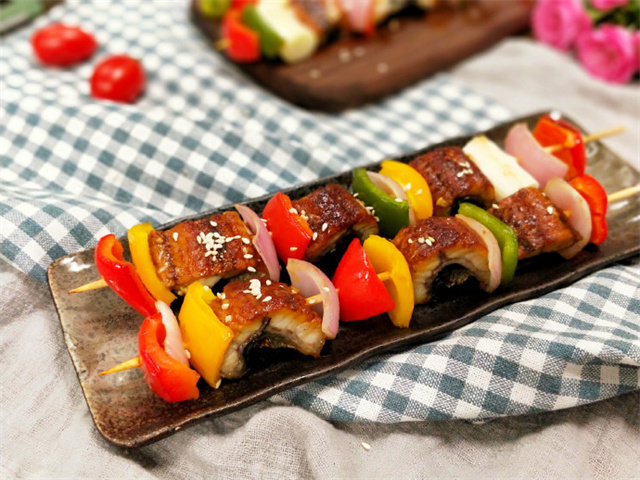
Have a fix that worked for your own batch? Share the ratio you used in the comments — and if you want a deeper look at sourcing consistent glaze for grilled eel, our notes on unagi kabayaki manufacturing cover what a stable soy-sauce coating process looks like at production scale.
Want a sample of our pre-made eel sauce to compare against your homemade batch? Reach out for a spec sheet or a small trial order.