





You’ve sourced high-quality eel, filleted it perfectly, and prepared a beautiful glaze. Yet, after cooking, the final dish has a subtle, muddy aftertaste and dark, gritty specks that cloud your sauce. This common problem almost always points to one missed step in preparation: incomplete removal of the bloodline. Understanding how to clean eel properly is less about aggressive scrubbing and more about precise technique. The dark, reddish-brown line running along the spine is the main source of off-flavors and impurities that can ruin an otherwise perfect dish.
As a food safety and quality specialist with over a decade in the seafood export industry, I’ve seen how this single detail separates acceptable eel from premium, export-grade unagi. At Eelpro, our entire process, from our unagi eel farm for Eelpro Co., Ltd to our final freezing, is designed to eliminate these imperfections. For chefs and foodservice buyers, mastering this cleaning step—or sourcing a product where it's already been done correctly—is critical for consistency and customer satisfaction.
The bloodline, or kidney tissue, runs along the backbone of the eel. While a natural part of the fish's anatomy, it is rich in myoglobin and blood remnants that are highly prone to oxidation. When heated, these compounds break down and release undesirable flavors and aromas often described as "muddy," "fishy," or metallic.
For foodservice operators, the consequences of improper cleaning extend beyond taste:
Our facility, which is HACCP and ISO 22000:2018 certified, treats bloodline removal as a critical control point. We utilize patented deodorizing equipment and a multi-stage rinsing process to ensure every fillet is pristine. This focus on fundamentals is why our products consistently meet the stringent food inspection standards of Japan, the US, and the European Union.
When an eel dish fails, the problem can often be traced back to the cleaning stage. A muddy flavor or dark residue is not a sign of a bad eel but usually a correctable preparation error. Here is how to diagnose the issue based on the symptoms and implement the correct technique.
This troubleshooting table shows the direct link between a specific quality defect and the cleaning step that prevents it. At Eelpro, our 25 quality-control specialists use these same principles to verify the efficacy of our two modern production lines.
| Symptom / Quality Issue | Likely Cause | Corrective Cleaning Action | Eelpro's Industrial Standard |
|---|---|---|---|
| Muddy or "Pondy" Aftertaste | Incomplete removal of the bloodline tissue along the spine. | Use the back of a spoon or a dull knife to gently scrape the entire cavity, ensuring all dark red tissue is gone. Rinse with cold running water. | Our patented low-fat roasting and deodorizing technology is applied after a meticulous cleaning process, which neutralizes any potential for residual off-flavors. |
| Dark, Gritty Specks in Sauce or Broth | Residual blood clots and membrane particles flaking off during cooking. | After scraping, flush the cavity with a steady stream of cold water. Use your thumb to gently rub the area to dislodge any remaining particles. | High-pressure, temperature-controlled water jets are used to flush the filleted eel, ensuring no loose particles remain before the 4-layer soy-sauce coating process begins. |
| Slightly Bitter or Metallic Flavor | Oxidized blood compounds left in the flesh. | Ensure the eel is processed quickly after being dispatched. The cleaning and rinsing should be done immediately after filleting. Never use warm water, as it can "set" these flavors. | Full-chain traceability from our ~20 customs-registered farming bases allows us to control the time from harvest to processing, minimizing oxidation and ensuring a clean taste. |
| Sauce or Glaze Doesn't Adhere Properly | A thin layer of slime or moisture left on the fillet surface after rinsing. | After the final rinse, thoroughly pat the entire fillet dry with paper towels, both skin and flesh side, before marinating or cooking. | Our fillets undergo a controlled drying step before roasting to guarantee perfect adhesion of our signature eel sauce, resulting in a uniform, glossy finish. |
Once you have a filleted eel, follow this procedure to ensure it's perfectly clean and ready for cooking. This process is designed to be thorough yet gentle, preserving the delicate texture of the meat.
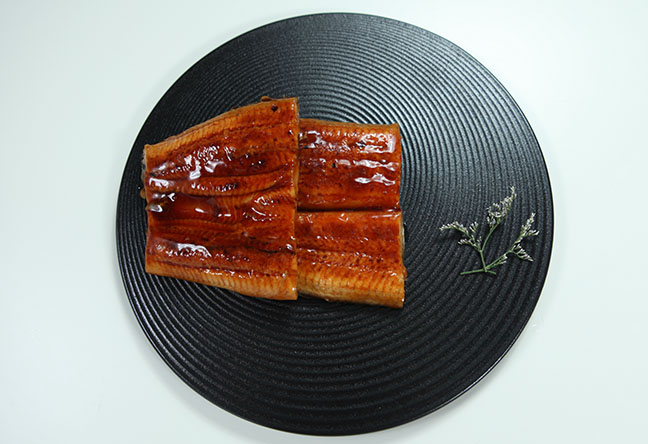
For restaurants, distributors, and importers, performing this level of detailed cleaning in-house is often impractical and costly. It adds labor, requires training, and introduces variability into the final product. Sourcing pre-cleaned, ready-to-heat frozen eel products from a reliable supplier is the most efficient solution.
When evaluating a supplier, ask about their specific cleaning and quality control processes. At Eelpro, we provide full transparency into our operations, backed by internationally recognized certifications.
By focusing on these factors, you can secure a supply of high-quality frozen eel that eliminates the risks and labor associated with in-house cleaning. This allows your culinary team to focus on creating excellent dishes rather than troubleshooting basic preparation issues.
For importers and foodservice chains looking for a reliable supply of perfectly cleaned and prepared frozen unagi, our team is ready to help. Contact us to discuss your specifications and request a sample.
 WhatsApp
 sales@chinaeels.com
 +8619937922411