





How to Prevent Eel in Sushi Rolls From Making Nori Soggy
You roll a beautiful sushi roll, slice it cleanly, and then the outer sheet turns soft, dark, and limp before it reaches the plate. The usual cause is not the eel itself. It is moisture moving from warm filling, sauce, rice, or resting time into the nori.
For eel in sushi rolls, the goal is simple: keep the filling flavorful but controlled, keep the nori dry until assembly, and serve before moisture has time to travel through the roll. A glossy kabayaki finish can look tempting, but a wet roll loses its contrast fast. You want tender eel, soft rice, crisp cucumber, and nori with a clean bite.
Start With the Right Moisture Diagnosis Before Changing Your Method
Conclusion: Check the nori first, then the eel surface, then the rice, and finally the holding period. This order identifies the true source of sogginess instead of blaming every ingredient.
The reason is straightforward. Nori reacts quickly to free moisture. If the sheet feels soft before the roll is sliced, the issue usually began during assembly. If it starts firm but weakens while waiting on a tray, resting time or excess finishing sauce is more likely.
This diagnosis works for home cooks, sushi counters, catering trays, and takeaway preparation. It does not replace food-safety handling instructions on your frozen eel packaging. Follow the product label for thawing and heating requirements.
| What You See | Most Likely Cause | What to Check First | Immediate Correction |
|---|---|---|---|
| Nori is soft before cutting | Warm eel or wet rice touched the sheet too early | Feel whether the eel surface is damp or steaming | Let surface steam disappear and blot visible moisture before rolling |
| Roll looks glossy and leaks at the seam | Too much kabayaki glaze or eel sauce | Check whether sauce pools on the eel or mat | Use a light coating inside and reserve extra sauce for the plate |
| Nori starts crisp but turns limp on the serving tray | Roll rested too long after assembly | Compare the first cut roll with later pieces | Roll in smaller batches and slice close to serving |
| Only the bottom side is soggy | Condensation or a wet plate surface | Look for moisture under the roll | Use a dry serving surface and avoid covering finished rolls |
| Rice pushes through the nori | Rice is too wet or spread too thickly | Check whether grains stick heavily to your hands and mat | Use a lighter, even rice layer and keep the outer edge clean |
For eel in sushi rolls, do not begin by reducing eel quantity if the filling is still visibly dry. A generous eel portion can work well when it is properly drained and the glaze is controlled. Reducing the filling only helps when overfilling creates pressure that squeezes sauce and rice moisture into the seam.
Cold fact about nori texture
Nori is a dried seaweed sheet, not a waterproof wrapper. It does not need to be soaked to soften. Contact with moisture from rice starts changing its texture almost immediately. That is why a roll may feel perfect at the cutting board but different after sitting on a covered platter.
Avoid this common mistake: Do not stack finished rolls tightly against each other. Their warm interiors and moist cut surfaces can create a damp contact area. This matters most for eel in sushi rolls prepared for sharing plates or takeaway boxes.
Set the Boundary Between Warm Glaze, Excess Sauce, and Resting Time
Conclusion: Warm glaze, excess sauce, and delayed serving are acceptable only when each is controlled separately. They become a problem when they combine: warm eel carries steam, sauce supplies free moisture, and resting gives that moisture time to soften the nori.
This is the handling boundary that prevents guesswork. Use the visual and touch criteria below rather than adding more sauce to compensate for a dry-looking roll.
| Factor | Safe Working Boundary | Warning Sign | Corrective Handling Step |
|---|---|---|---|
| Warm glaze | The eel should look coated, not steaming or wet on the surface | Visible vapor, a shiny liquid layer, or sauce transferring to fingers | Move eel to a clean surface, allow surface steam to dissipate, then blot excess moisture gently |
| Excess sauce | Sauce should cling to the eel rather than pool in the roll | Liquid runs toward the nori edge when the filling is placed down | Use a thinner internal coating and serve extra eel sauce separately |
| Resting time | The roll should be cut and plated while the nori still feels dry and resilient | The outer sheet darkens, wrinkles, or sticks to the plate | Prepare smaller batches and assemble the next batch only when needed |
| Covered storage | Finished rolls should remain free from trapped surface moisture | Droplets appear inside a lid or wrap | Do not seal warm rolls in a container; let excess surface steam clear first |
For eel in sushi rolls served immediately, a light brush of glaze can give a polished finish. For buffet trays, packed lunches, or delivery orders, that same finish may be the wrong choice because the roll will continue to absorb moisture after preparation. In those situations, place sauce in a separate cup or brush it over the eel only after slicing.
The limit is taste balance. An overly dry eel filling can feel flat, especially with plain cucumber and rice. The answer is not to remove all sauce. Use enough glaze to season the eel, then add any extra flavor at service. For a deeper look at how sauce changes the finished dish, see our kabayaki sauce article.
Use a Dry-to-Wet Assembly Order That Protects the Nori
Conclusion: Build eel in sushi rolls in a dry-to-wet order: nori, rice, dry vegetables, prepared eel, then minimal sauce. This keeps the wettest filling away from exposed nori edges and reduces leakage during rolling.
The method fits classic unagi rolls, cucumber eel rolls, avocado combinations, and kitchen prep for small foodservice orders. It may not fit rolls designed to be heavily sauced from the start, but those items should be made close to service and should not be held as pre-rolled stock.
- Prepare the work surface first. Dry the bamboo mat, knife handle, plate, and hands. A wet mat transfers moisture to the outside of the roll.
- Keep the nori protected until assembly. Remove only the sheets you are about to use. Open sheets left beside wet ingredients can soften before rice touches them.
- Spread sushi rice evenly. Keep the rice layer consistent and avoid thick clumps at the edge. A clean edge gives the nori a better seal.
- Place dry vegetables before eel. Cucumber is especially useful because it adds crunch and helps separate the eel from the nori.
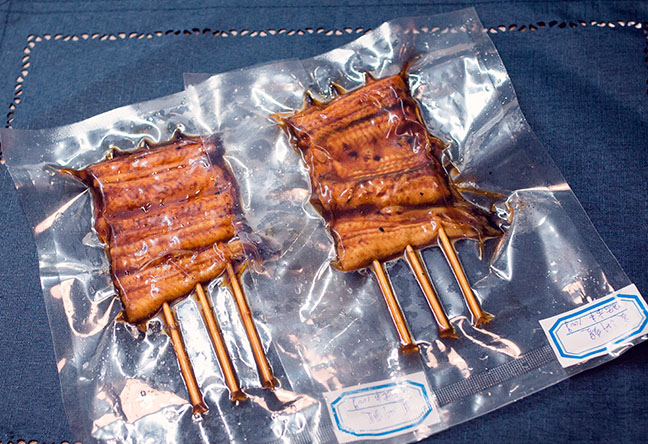
- Prepare the eel surface. If using frozen unagi kabayaki, heat it according to its packaging instructions, then check for visible surface moisture before cutting.
- Apply sauce with restraint. Brush a thin coating onto the eel rather than pouring sauce into the roll. If sauce reaches the nori edge, wipe and rebuild that section before rolling.
- Roll firmly without crushing. Too little pressure leaves gaps where sauce can shift; too much pressure forces filling toward the seam.
- Slice with a clean, wiped knife. Wipe away sauce and rice residue between cuts so the blade does not drag moisture across the nori.
For eel in sushi rolls, cucumber is more than a familiar pairing. It adds a fresh snap and creates physical separation between glazed eel and nori. However, cucumber must be dry on the cut surface. If it has been washed or stored wet, pat it dry before cutting into strips.
Choose Eel Cuts and Sauce Placement for the Roll You Are Serving
Conclusion: Select an eel cut that matches the roll shape, then decide whether sauce belongs inside, outside, or beside the roll. A mismatch creates uneven moisture and makes handling harder.
Long strips work well for narrow maki because they distribute filling evenly. Smaller pieces can suit inside-out rolls or mixed fillings, but their cut faces may release more glaze if they are heavily coated. Eel in sushi rolls should look intentional from end to end, not packed into one wet center.
| Roll Style | Best Eel Placement | Sauce Decision | When This Does Not Apply |
|---|---|---|---|
| Classic nori-outside maki | Centered strip with cucumber or another dry filling | Use only a thin glaze inside; offer more sauce separately | Not ideal for rolls intended to sit for a long time before serving |
| Inside-out roll | Eel can sit closer to rice because nori is inside | Light internal coating still works best | Rice on the outside creates its own handling challenges during packing |
| Eel topping roll | Place glazed eel on top after rolling and slicing | Brush the topping just before plating | Less suitable when the roll must travel in a tightly closed container |
| Takeaway roll | Use a dry filling layout with eel placed away from seams | Pack sauce separately whenever possible | Customers may prefer a more heavily sauced presentation for immediate dining |
Restaurants and caterers can reduce inconsistency by specifying eel strips, sushi slices, or other standardized cuts with their supplier. Eelpro supports custom cutting such as strip-cutting, chunk-cutting, three-section cuts, and sushi slices. Standardized portions help staff produce eel in sushi rolls with the same filling layout across repeated orders.
For buyers sourcing prepared eel, sauce behavior matters as much as flavor. Our roasting process uses four precise soy-sauce coating layers, with defined color standards from white-roasted eel through the fourth coating. That does not mean every sushi roll needs four visible layers of sauce. It means the eel is produced with a controlled roasted profile, while the final kitchen application remains the cook’s decision.
Our frozen roasted eel and deep-processed aquatic product lines have an annual finished-goods capacity of 4,000 tons, supported by a 1,000-ton cold storage facility. ISO 22000:2018, HACCP, HALAL certification, export food producer registration, and in-house quality controls support buyers who need documented supply standards. These capabilities are relevant for foodservice and import purchasing; they do not remove the need for correct thawing, heating, and roll assembly at the kitchen level.
Prevent the Most Common Last-Minute Mistakes Before Plating
Conclusion: A final inspection takes less effort than remaking a soft roll. Check surface dryness, seam cleanliness, sauce placement, and serving plate condition before the first slice goes out.
- Mistake: glazing both sides of the eel. This doubles the moisture risk. Glaze the presentation side lightly instead, unless the roll is being eaten at once.
- Mistake: pouring sauce directly over finished nori. The sauce will soak into the wrapper. Put sauce on the plate, on the eel topping, or in a separate container.
- Mistake: using eel while the surface is still wet. Visible shine from sauce is fine; loose liquid is not. Blot only excess liquid so you do not strip all flavor.
- Mistake: preparing every roll at the start of service. This is convenient but weakens texture. Make smaller batches when nori texture is part of the dish promise.
- Mistake: ignoring the plate or package lid. A damp plate base or condensation inside packaging can soften even a well-made roll.
Eel in sushi rolls should deliver contrast at the first bite. The nori should hold its shape, the rice should remain tender, and the kabayaki should stay rich without flooding the filling. If you want a practical roll format to test these handling steps, use our eel sushi roll recipe as a starting point.
Ask Eelpro for product specifications or a sample discussion for sushi-ready unagi kabayaki and sauce applications.
 WhatsApp
 sales@chinaeels.com
 +8619937922411