





This recipe unagi sauce comes together with four pantry staples: soy sauce, mirin, sake, and sugar. As the mixture simmers, it turns into a glossy Japanese glaze that works beautifully with grilled eel, rice bowls, noodles, sushi, and vegetables.
In Japan, the sauce is commonly called unagi tare. “Tare” means a seasoned sauce or glaze, while “unagi” means freshwater eel. Its flavor is sweet, salty, savory, and gently caramelized. The finished sauce should coat the back of a spoon, but it should not be as thick as honey or syrup.
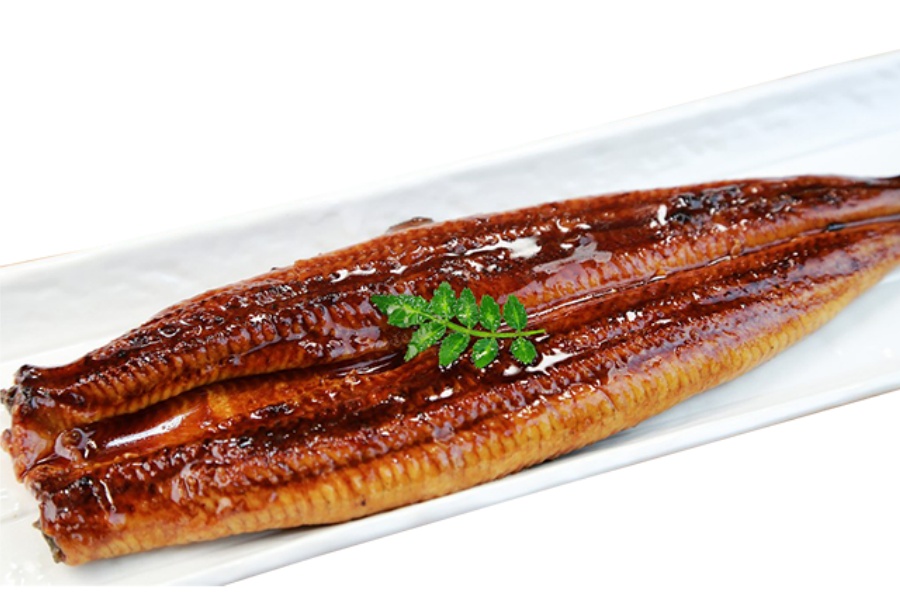
Unagi tare is the dark, flavorful glaze brushed over grilled eel in dishes such as unagi don, unaju, and unagi sushi. It is also called kabayaki sauce, as it is traditionally used for kabayaki-style eel: fish that is cut, grilled, glazed, then grilled once more.
A well-made sauce has enough body to cling to the eel while staying smooth enough to brush on easily. Soy sauce provides salt and umami. Mirin adds sweetness and a subtle rice-wine aroma, while sake brings fragrance and rounds out the flavor. Sugar gives the sauce its shine and helps it reduce into a rich glaze.
This practical japanese sauce recipe suits both home kitchens and food businesses. Make a small batch for dinner, or scale it up for service. It is equally good on grilled chicken, tofu, mushrooms, rice, and steamed vegetables.
For about 180–220 ml of finished sauce, prepare:
These are the essential unagi sauce ingredients. The 2:2:1 liquid ratio is simple to remember, and you can adjust the sugar depending on how sweet you like the sauce and what you plan to serve it with.
Avoid adding water unless the sauce needs thinning after cooking. Extra water slows the reduction and can dilute the final flavor.
Pour the soy sauce, mirin, and sake into a small, heavy saucepan. Add the sugar and give it a brief stir. A pan with a light-colored interior can make it easier to monitor the sauce, though any clean saucepan will do the job.
Set the saucepan over medium heat. Bring the mixture close to a boil, then reduce the heat. A vigorous boil can cause foaming and uneven reduction. Stir until the sugar is fully dissolved.
Simmer uncovered for 15–25 minutes, depending on the width of the pan and the heat level. Stir every few minutes, paying attention to the edges. The liquid should reduce by roughly one-third to one-half.
Check the consistency with a spoon. Dip it into the sauce, let the coating cool for a few seconds, then run your finger through it. The sauce is ready when it leaves a clear line and slowly comes back together. Keep in mind that it will thicken more as it cools.
Take the pan off the heat. If there is foam or any small particles, strain the sauce through a fine sieve. Pour it into a clean container and allow it to cool before covering.
Store homemade eel sauce in the refrigerator, using a clean spoon each time. For the best quality and food safety, make a small batch and use it within about one week. Discard it if you notice an unusual smell, mold, or visible fermentation.
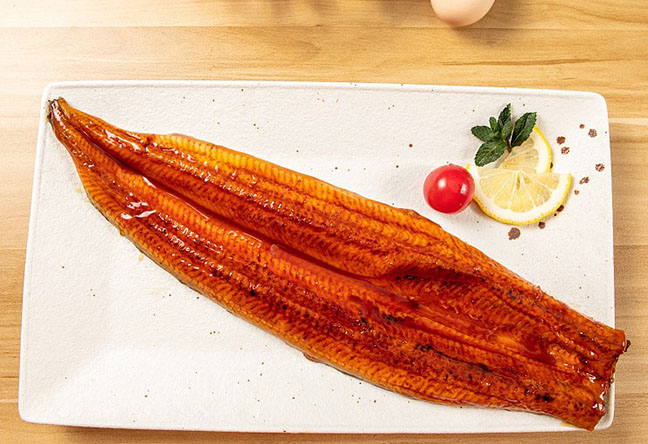
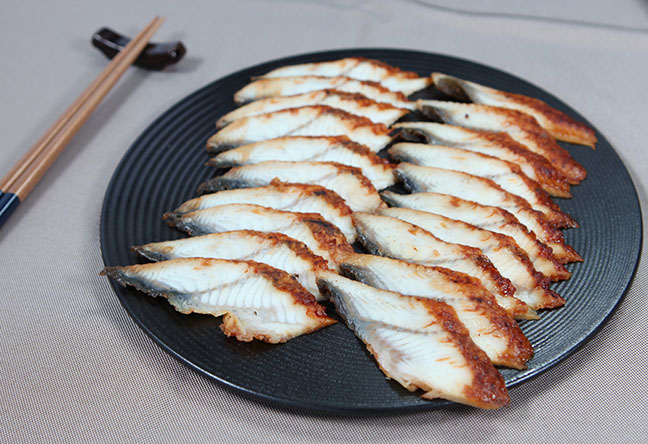
The classic use is grilled eel over rice. Warm the cooked eel, brush on a thin layer of sauce, and heat it briefly again. Finish with another light coating just before serving so the glaze stays shiny instead of scorching on the grill.
For an unagi don bowl, fill a bowl with steamed Japanese rice, slice the eel into manageable pieces, and arrange it over the top. Drizzle a little sauce over the rice. Since the glaze is concentrated, a small amount goes a long way.
You can also use this sauce in the following dishes:
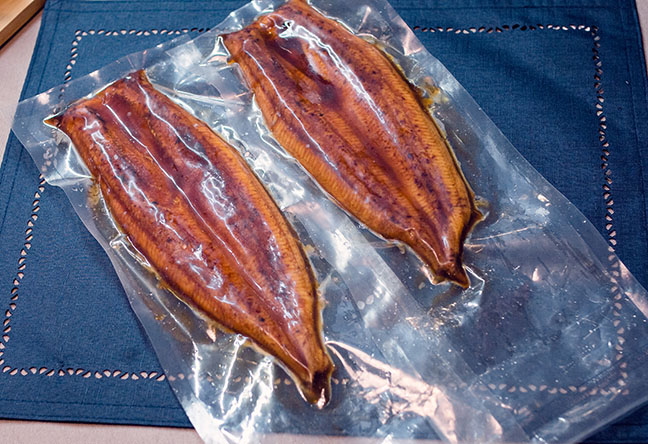
When cooking with frozen eel, thaw it under refrigeration, pat the surface dry, and heat until fully hot. Our frozen unagi kabayaki is already prepared using the kabayaki method, making it a convenient choice for fast restaurant service or retail meal preparation.
Your first batch may need a minor adjustment. If the sauce is too salty, add a little mirin or sugar and simmer briefly. If it tastes too sweet, add soy sauce a little at a time. Avoid making a large correction at once, because reduction intensifies every flavor.
For a thinner dipping sauce, stop simmering earlier. For a thicker glaze for brushing, let it reduce for a few more minutes. Hot sauce always appears thinner than cooled sauce.
Some professional kitchens add eel bones, heads, or a portion of an earlier batch of tare for extra depth. That method requires careful handling and controlled storage. For home cooking, this four-ingredient version is easier to manage and delivers a clean, reliable flavor.
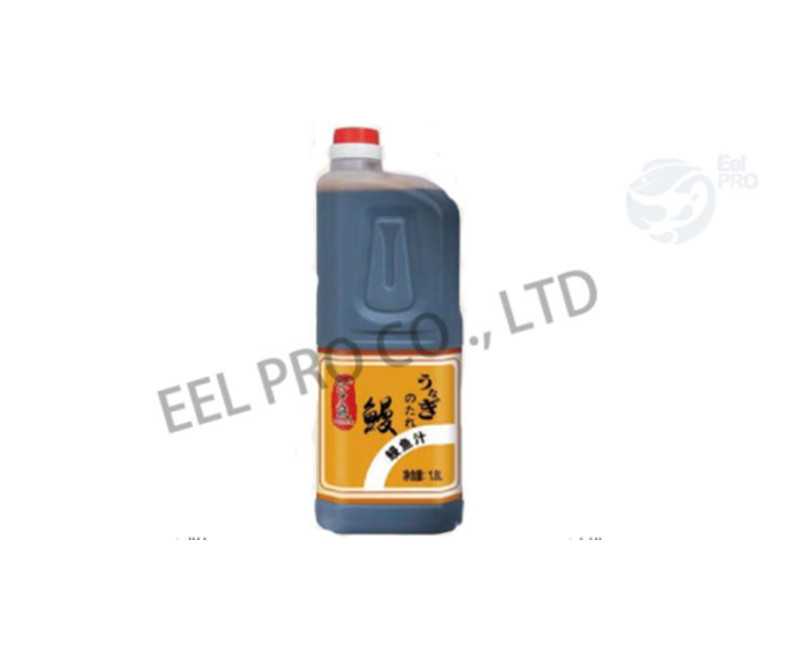
If you need a consistent taste without making a fresh batch for every service, our eel sauce product is designed for grilled eel, rice bowls, sushi, and noodle dishes. Use it as it is, or adjust it with a little mirin, sake, or water.
Replace the mirin with a combination of sake and sugar. For every 120 ml of mirin, use about 90 ml sake plus 30 ml water and 2–3 tablespoons of sugar. The flavor will not be exactly the same, but the sauce will still work well as an eel glaze.
The key unagi sauce ingredients are soy sauce, mirin, sake, and sugar. Soy sauce brings salt and umami, while mirin and sugar add sweetness. Sake contributes aroma and helps balance the finished sauce.
They are similar because both may contain soy sauce, sugar, and Japanese rice wine. Unagi tare is generally darker, sweeter, and thicker because it is made for brushing over grilled eel. Teriyaki sauce may include additional ingredients such as ginger, garlic, or sesame oil.
Yes. Cool it promptly, transfer it to a clean airtight container, and refrigerate it. Make sure the sauce is fully cool before sealing. Use a clean utensil when serving, and discard it if the smell, appearance, or texture changes.
Start with 1–2 tablespoons for one eel rice bowl, including sauce for both the fish and rice. You can always add more at the table. Several thin layers during grilling offer better control than pouring on a large amount all at once.
Keep the heat moderate, watch the reduction carefully, and remember that the sauce thickens as it cools. Taste it with the food you intend to serve, not just from the spoon. Eel, rice, noodles, and vegetables each call for a slightly different amount.
For restaurants, importers, and distributors looking for ready-to-use products, Eelpro Co., LTD supplies kabayaki sauce, frozen unagi kabayaki, frozen seafood, and freshwater eels. Contact us to discuss pack sizes, product specifications, and export supply for your market.
[xss_clean] { "@context": "https://schema.org", "@type": "FAQPage", "mainEntity": [ { "@type": "Question", "name": "How to make unagi sauce without mirin?", "acceptedAnswer": { "@type": "Answer", "text": "Replace the mirin with a combination of sake and sugar. For every 120 ml of mirin, use about 90 ml sake plus 30 ml water and 2–3 tablespoons of sugar. The taste will not be identical, but the sauce will still work well as an eel glaze." } }, { "@type": "Question", "name": "What are the key unagi sauce ingredients?", "acceptedAnswer": { "@type": "Answer", "text": "The key unagi sauce ingredients are soy sauce, mirin, sake, and sugar. Soy sauce provides salt and umami, while mirin and sugar supply sweetness. Sake adds aroma and helps balance the finished sauce." } }, { "@type": "Question", "name": "Is homemade eel sauce the same as teriyaki sauce?", "acceptedAnswer": { "@type": "Answer", "text": "They are similar because both can contain soy sauce, sugar, and Japanese rice wine. Unagi tare is usually made to be darker, sweeter, and thicker for brushing over grilled eel. Teriyaki sauce may include additional ingredients such as ginger, garlic, or sesame oil." } }, { "@type": "Question", "name": "Can I prepare this recipe unagi sauce in advance?", "acceptedAnswer": { "@type": "Answer", "text": "Yes. Cool it promptly, place it in a clean airtight container, and refrigerate it. Use a clean utensil when serving, and discard it if its smell, appearance, or texture changes." } }, { "@type": "Question", "name": "How much sauce should I use per serving?", "acceptedAnswer": { "@type": "Answer", "text": "Start with 1–2 tablespoons for one eel rice bowl, including sauce for the fish and rice. You can add more at the table. Applying several thin layers during grilling usually gives better control than pouring on a large amount at once." } } ] } [xss_clean]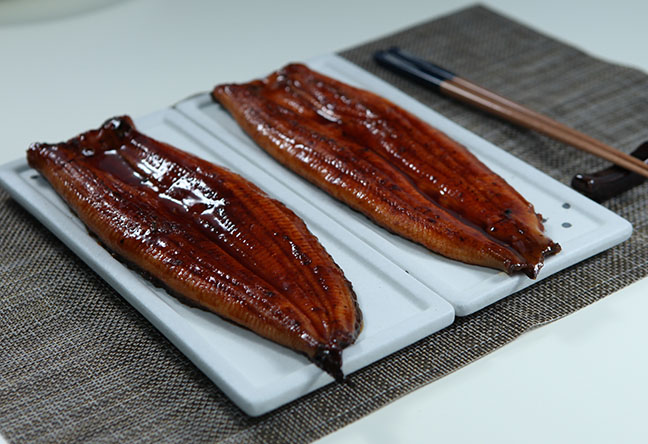
 WhatsApp
 sales@chinaeels.com
 +8619937922411