





The unagi hits the grill, sizzling. Then comes the brush stroke—dark, glossy, sweet-savory. That moment defines your dish. But when you’re running a busy kitchen, the sauce can become a headache. Too thick, too thin, separated. We know. Many chefs spend years tweaking their recipe unagi sauce, only to lose consistency when scaling up.
Walk into any Japanese restaurant and watch the eel station. There’s a rhythm to it: grill, dip, grill, brush. The sauce—unagi tare—builds layers of caramelized flavor. But behind that simple routine are hundreds of small decisions about sugar ratios, reduction times, and batch rotation. Get one variable wrong and the whole pot turns bitter or refuses to cling to the fish. For a foodservice kitchen, the stakes multiply. A single failed batch can waste 30 liters of ingredients and blow a service. We’ve seen it more than once.
A professional unagi sauce recipe for restaurants demands more than a scaled‑up home version. It has to survive long holding times, repeated reheating, and the varying heat of a commercial griddle—all without breaking or losing flavor intensity. That’s why we treat bulk unagi sauce preparation as a discipline, not a one‑off project.
Before you scale, you need a rock‑solid starting point. The traditional trio is soy sauce, mirin, and sugar. Some chefs add sake, others a touch of rice vinegar, and a few slip in eel bone stock for depth. The backbone, however, stays simple.
A ratio we’ve used for years works like this:
Soy sauce (usukuchi or koikuchi blend) — 2 L
Mirin (hon mirin, not aji‑mirin) — 1 L
Sugar (white cane sugar or Japanese johakuto) — 800 g
Heat them together gently. Bring to 108°C and hold there for 20 minutes. Never boil violently—high heat scorches the sugars and shreds the delicate mirin notes. We’ve seen kitchens blast the mix at a full rolling boil and end up with a sauce that tastes like burnt caramel and regret. Use a heavy‑bottomed stainless‑steel pot or a steam‑jacketed kettle for even heat.
This is the heart of a genuine Japanese eel sauce. It should pour like warm honey and coat a spoon with a luminous sheen. At this stage, the yield is around 2.5 liters—fine for a small izakaya, but laughable for a hotel banquet or a central kitchen shipping to five outlets. That’s where things get interesting.
Scaling isn’t just multiplication. Chemical reactions—Maillard browning, sugar inversion, acid‑sugar balance—don’t follow linear paths. When you jump from a 5‑liter pot to a 50‑liter steam kettle, you need to adjust three things: heat input, evaporation rate, and ingredient order.
In bulk unagi sauce preparation, we’ve learned to dissolve the sugar in mirin first, cold, then add soy sauce, then heat. For 50 liters (20L soy, 10L mirin, 8kg sugar), you’ll need a slow ramp to 108°C—often taking 50–70 minutes. A faster ramp can leave undissolved sugar crystals that later seed the whole batch, turning it grainy. Overnight, you’ll find a crusty sugar raft on the surface. That’s a lesson that cost one central kitchen we consulted 60 liters of sauce and a very awkward morning.
Use a digital probe thermometer with an alarm. Core temperature must stay between 105–110°C through the reduction. Stir continuously with a wide paddle. When the sauce reaches the right thickness—a “nappe” consistency where a line drawn on the back of a spoon holds for 2 seconds—it’s done. This visual cue is more reliable than timing because humidity and gas‑pressure in the kitchen change reduction speed every day.
A guest who loved your unadon on Tuesday should get the same glossy stripe on Friday. That demands obsessive consistency. We recommend two cheap tools most kitchens overlook: a refractometer and a standardized ladle. Measure the Brix (sugar content) at the end of every cook. For our base recipe, target 42–45° Brix. If it’s too low, the sauce won’t coat properly; too high and it crystallizes in the fridge. A 10‑ml ladle ensures every portion from the hot well is identical, especially when you’re basting 200 skewers an hour.
We also practice a “mother sauce” method, similar to a sourdough starter. Reserve 10% of each batch and add it to the next fresh batch right before the cooling step. This carries over the flavor depth built over months. It’s an old yakitori‑bar trick that works brilliantly for foodservice eel sauce. Some of Japan’s famous eel houses have tare that’s been alive for decades, gently topped up, never fully replaced. You don’t need to go that far, but even a 5‑day carryover makes a difference your customers will notice.
For more on why that depth matters, we wrote about the role of kabayaki sauce as a secret weapon — it’s the same principle.
Once you’ve nailed the recipe, packaging becomes the next bottleneck. How to keep unagi sauce consistent in bulk over weeks? Hot‑fill packaging is non‑negotiable. As soon as the sauce hits 108°C, we transfer it into pre‑warmed, food‑grade HDPE buckets or multilaminate pouches. Fill to the brim, cap immediately, and invert for 30 seconds. This creates a sterile seal that buys you 8 weeks refrigerated without preservatives.
What packaging works for foodservice unagi sauce? We’ve tested everything from 1‑liter squeeze bottles to 20‑liter bag‑in‑box systems. For a busy sushi bar, a 2‑liter wide‑mouth jar with a spout lid works best — reheat only what you need for the shift. Commissary kitchens distributing to multiple outlets prefer 5‑liter vacuum pouches that can be dropped into a water bath to rewarm. Avoid fine‑necked bottles; chilled sauce gets syrupy and you’ll lose 15 minutes just coaxing it out. Remember to label every container with date and Brix reading. If you’re using a carryover mother batch, mark the generation number too.
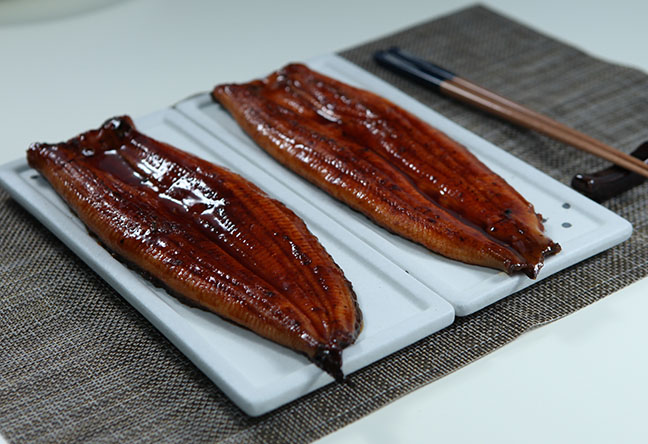
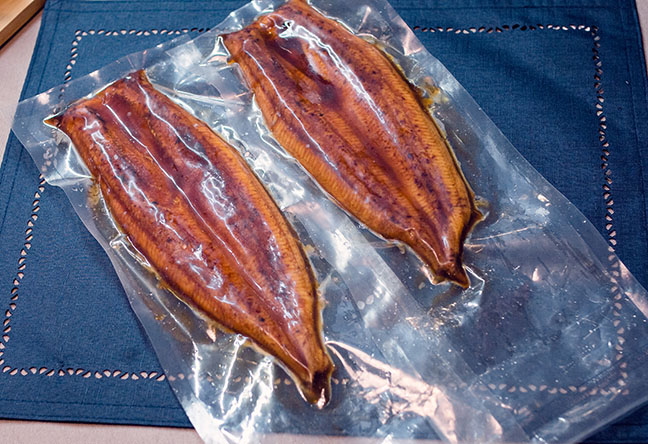
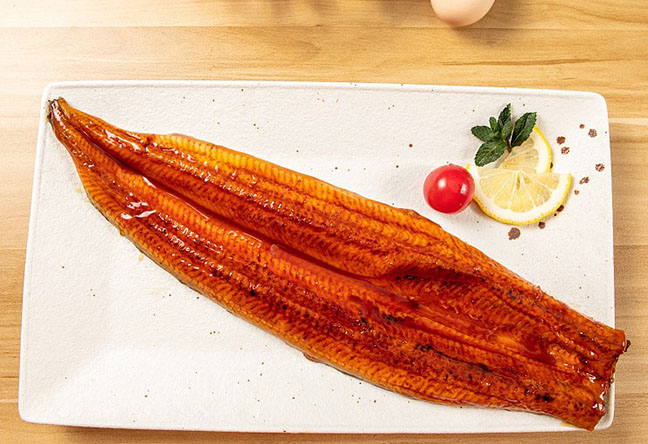
When you’re serving dishes like unagi kabayaki, the sauce’s shine and cling matter more than anything. A broken sauce will make even the best‑grilled eel look sad. That’s why we obsess over these details.
We’ve lost count of the mistakes we’ve witnessed. Here’s a quick cheat sheet of what to watch for, and how to dodge disaster. Consider it your “don’t do this” guide.
1. Iron or cast‑iron pots. Soy sauce is acidic and will leach metallic notes, turning your sauce dark and tinny. Always use stainless steel or enameled kettles. We once tasted a batch from a well‑meaning chef who used a raw iron wok — it tasted like licking a battery.
2. Sugar quality. Cheap beet sugar behaves differently from cane. It tends to crystallize faster. If you must use it, add 2% glucose syrup by weight to inhibit crystals. But ideally, stick to pure cane.
3. Salt creep. Soy sauce sodium levels vary wildly between brands. A Chinese light soy can be 18% salt; a Japanese usukuchi might be 16%. Always read the spec sheet and calculate final salinity. Aim for total salt 8–10% in the finished sauce. Higher and it’s unpalatable; lower and shelf life drops.
4. Temperature abuse. Storing sauce warm “because we use it all day” breeds bacteria. After the lunch rush, cool it rapidly in an ice water bath. Reheat only the portion you need. A cambro that spent six hours at 40°C is a health ticket waiting to happen.
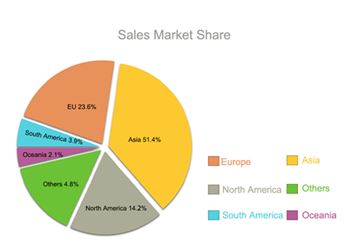
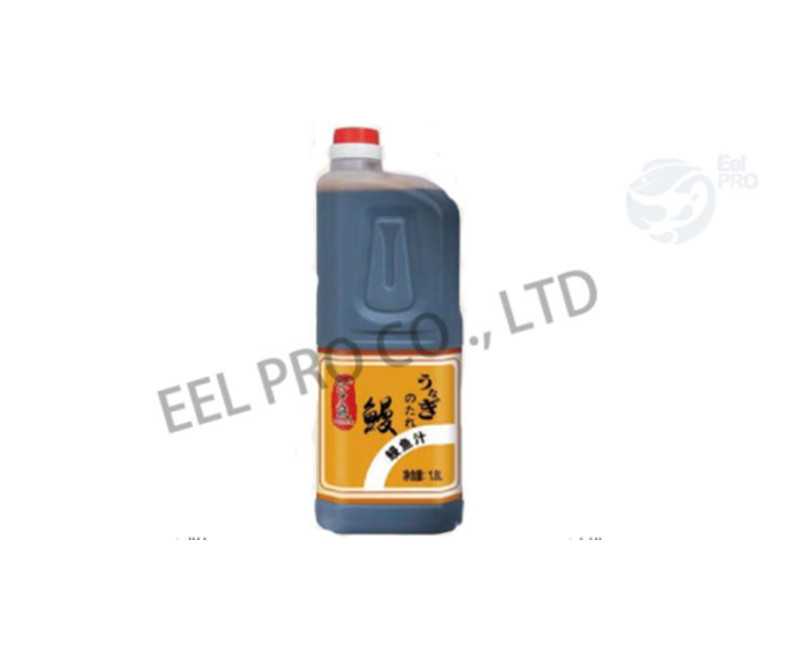
After everything we’ve laid out, you might be wondering: is it worth it? For a single restaurant, maybe. For a multi‑outlet group or a central kitchen that supplies sushi counters, the time and risk add up fast. That’s why a growing number of clients simply choose our eel sauce — ready to pour, already scaled, consistent batch to batch. Our foodservice eel sauce comes in shelf‑stable packaging, built on the same traditional base but manufactured under ISO‑certified conditions. No more Sunday evenings spent hovering over a steam kettle. No more frantic phone calls because the brunch service is about to start and the tare separated overnight.
Our sauce pairs perfectly with unagi kabayaki, of course, but don’t limit it. Drizzle on grilled salmon, brush over eggplant skewers, or use it as a glaze for eel noodle soup. One standard sauce can anchor half a dozen menu items. That simplifies ordering, reduces kitchen training, and keeps your brand’s flavor fingerprint recognizable.
Use weight‑based measurements, not volume. Multiply ingredients exactly, but watch the heat input—larger batches need a slower temperature climb to avoid scorching. Keep a mother sauce to carry forward depth.
Set a target Brix (42–45°) and salt level (8–10%) and test every batch with a refractometer. Use identical cookware and standardized cooling procedures. A central kitchen with sealed pouch packaging eliminates site‑to‑site drift.
For daily use, 2‑liter wide‑mouth HDPE jars work well. For less frequent use, 5‑liter vacuum pouches or bag‑in‑box systems protect quality longer. Reheat only the amount you’ll serve in one shift.
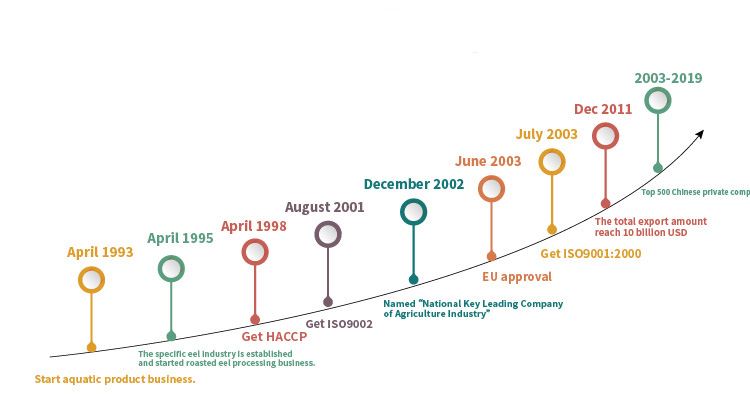
A great unagi sauce is the silent backbone of your Japanese menu. Whether you decide to craft your own recipe unagi sauce in bulk or lean on a ready‑made solution, the goal is the same: that flawless, syrupy brushstroke that makes a dish sing. At Eelpro Co., LTD, we’ve spent years perfecting our sauce and our frozen unagi kabayaki to give restaurants a reliable shortcut. If you’re curious about testing our foodservice eel sauce in your kitchen, reach out. We ship worldwide, and our technical team can help you nail the serving specs. No more guesswork. Just great eel, every service.
 WhatsApp
 sales@chinaeels.com
 +8619937922411