

Make Unagi Eel Sushi with Store-Bought Kabayaki
Your eel looks glossy in the package, but turns dry the moment it meets a hot pan. The usual problem is not the eel. It is the order of warming, rice handling, and glazing. Good unagi eel sushi should feel soft, warm, lightly smoky, and balanced by gently seasoned rice rather than buried under sweet sauce.
Store-bought kabayaki makes this Japanese-style favorite practical for a relaxed lunch, a family sushi night, or a small home dinner that looks more special than it is difficult. Prepared eel has already been grilled and seasoned, so your job is simple: warm it with care, make rice that holds together, and finish with restraint. This guide focuses on unagi eel sushi made with prepared or frozen kabayaki, not raw freshwater eel.
Choose prepared kabayaki that fits the sushi you want to serve
The best choice for unagi eel sushi is a prepared kabayaki fillet with an even surface, a clean grilled aroma, and sauce that coats rather than floods the fish. This matters because sushi portions are small. A watery or overly sweet fillet can overpower the rice after only one bite.
For home cooking, frozen unagi kabayaki is usually the practical option. It is already roasted, sauced, and ready for controlled reheating. Choose a fillet format when you want neat nigiri pieces. Choose cut pieces when you are making bowls, rolls, or scattered sushi. Neither option is automatically better; the right one depends on whether visual presentation or quick portioning is your priority.
| Prepared eel option | Best use | Why it works | When it does not fit |
|---|---|---|---|
| Whole kabayaki fillet | Unagi nigiri and plated sushi | You can cut across the fillet into even pieces and keep the grilled surface visible. | Not ideal if you need many mixed toppings quickly. |
| Kabayaki cut pieces | Rolls, rice bowls, and family-style platters | Less trimming and less handling after warming. | May not give uniform slices for formal nigiri. |
| Skin-on kabayaki | Traditional-style presentation | The skin helps the fillet hold together during slicing and warming. | Not the first choice for diners who dislike a firmer underside. |
| Boneless or deboned prepared eel | Children, casual parties, and fast service | Less table-side concern and easier portioning. | Still needs gentle handling because warm eel can break easily. |
If you are buying for repeated home use, look for a supplier that can state the cut format, packaging format, storage instructions, and intended use. Eelpro supplies unagi kabayaki products in formats suited to different foodservice and retail needs. For sushi, ask for pieces that can be cut into tidy strips rather than heavily shredded portions.
One useful selection rule: choose the least complicated product that still matches your menu. A plain prepared fillet gives you more freedom with sauce and garnish. A strongly sauced fillet is convenient, but it leaves less room to adjust sweetness for unagi eel sushi.
Warm kabayaki, manage rice temperature, and glaze without drying the eel
This is the make-or-break stage for unagi eel sushi. The conclusion is clear: warm the prepared eel gently before slicing, form sushi with rice that is warm but not steaming, and brush the final glaze only after the eel is in place. Each action protects the tender texture of kabayaki.
The reasoning is simple. Prepared kabayaki has already been roasted. Aggressive reheating can tighten the flesh, scorch the sauce, and leave dry edges. Rice that is too hot releases steam under the eel and softens its surface. A heavy sauce layer makes the finished piece slippery and excessively sweet.
Use this practical warming and assembly sequence
- Thaw according to the package instructions. Keep the eel in its original sealed packaging until it is ready to warm. This fits frozen kabayaki. It does not apply to a chilled product that the supplier directs you to use immediately after opening.
- Warm the eel gently with moisture protection. Place the prepared fillet in a covered heat-safe dish or wrap it loosely so its surface does not dry out. Heat only until the fillet becomes supple and hot throughout. Stop when the sauce smells fragrant and the flesh bends easily. Do not keep heating in search of more color; kabayaki is already roasted.
- Rest the eel briefly before cutting. Let it sit covered until it is stable enough to slice without tearing. This works for fillets. Skip extended resting if the eel has cooled noticeably, because sushi is best served when the fish is still pleasantly warm.
- Prepare rice that is warm, not steaming. Season cooked sushi rice, then spread it gently so excess steam can escape. The right checkpoint is tactile: the rice should be comfortable to handle, hold a small shape, and not feel wet. If steam is rising strongly, wait before forming nigiri.
- Form compact rice portions without crushing them. Light pressure is enough. Rice squeezed too firmly becomes dense and hides the contrast between tender eel and airy grains.
- Lay the eel on the rice while it is still soft. Place the glazed side upward. If a piece is wider than the rice, trim it rather than folding it over the edges.
- Brush a final thin glaze. Use a clean brush and apply a light coat across the top. The eel should shine, not drip. This is the final flavor adjustment, not a second marinade.
| Stage | Correct checkpoint | Common failure reason | Immediate correction |
|---|---|---|---|
| Warming kabayaki | Soft, flexible fillet with a fragrant surface | Uncovered direct heat dries the edges. | Cover the eel and stop heating once it is hot throughout. |
| Cooling rice | Warm grains that can be shaped without sticking heavily | Rice is used while steaming. | Spread it gently and wait until visible steam has eased. |
| Slicing eel | Clean strips that stay intact | Dull knife or sawing motion tears the flesh. | Wipe and moisten the knife between cuts. |
| Final glaze | Thin, even shine on the top surface | Too much sauce makes the sushi slippery. | Brush once lightly; serve extra sauce separately. |
For safe handling, follow official food safety guidance for cooked seafood and chilled prepared foods. Keep the preparation area clean, avoid cross-contact with raw ingredients, and do not leave prepared sushi out longer than your local food-safety guidance permits.
Build each piece for balance instead of maximum sweetness
For classic unagi eel sushi, the goal is contrast: mildly tangy rice, rich eel, a little sauce, and one clean garnish. Sesame seeds, finely sliced cucumber, shredded nori, or a small amount of sansho-style pepper can work well. Use one or two accents, not all of them at once.
A simple nigiri portion needs three elements: formed sushi rice, a strip of warm kabayaki, and a light final brush of unagi tare. If the eel is narrow, a thin nori band can help secure it. If the eel lies flat naturally, skip the nori. The band is a practical support, not a mandatory decoration.
Prepared unagi eel sushi also works in rolls. Add cucumber for freshness, or avocado for a softer, richer bite. This approach suits casual meals and diners who prefer smaller portions. It is less suitable when you want the grilled surface of the kabayaki to be the visual center of the plate. For another easy roll format, see this eel sushi roll recipe.
A practical home serving plan
- For two people: serve nigiri with sliced cucumber, pickled ginger, and a small dish of eel sauce.
- For a family sushi night: make a platter with kabayaki nigiri, cucumber rolls, and rice bowls using any trimmed eel pieces.
- For a party: keep the rice and warmed eel separate until close to serving, then assemble in small batches so the eel stays soft.
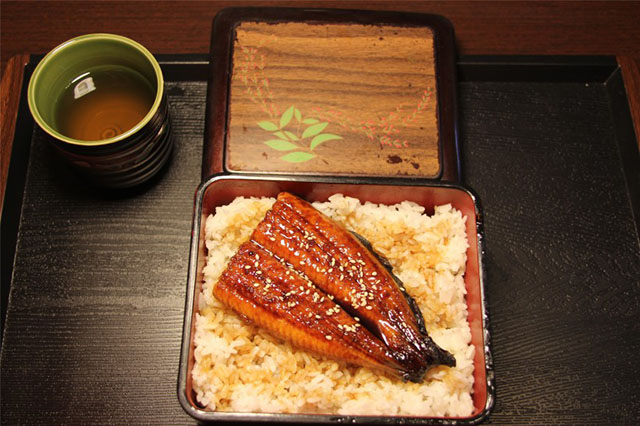
- For lunchbox-style service: use kabayaki over rice rather than nigiri. This format travels better because it does not rely on a warm eel topping.
This is also where sauce discipline matters. Eel sauce, often called unagi tare, is sweet and savory by design. It should support the grilled flavor, not cover it. If your kabayaki is already well-coated, use little or no extra glaze. If the fillet tastes mild after warming, add a thin finishing layer from an eel sauce product page option or your preferred prepared tare.
Avoid the mistakes that make prepared eel taste dry or heavy
The most common issue with unagi eel sushi is not poor ingredients. It is overhandling. Eel is tender after warming, and sushi rice changes quickly as it cools. Work in a calm sequence rather than preparing every component far in advance.
- Mistake: reheating the eel until the sauce bubbles hard.
Why it fails: the sauce can darken while the fish loses moisture. Use gentle covered warming instead. This advice applies to prepared kabayaki, not raw eel that needs a different cooking method. - Mistake: placing hot eel over steaming rice.
Why it fails: trapped steam can soften the eel surface and make sauce slide off. Let the rice reach a warm, workable state first. - Mistake: adding sauce before the eel is warmed.
Why it fails: extra sauce can burn or become overly concentrated during heating. Save the final brush for assembly. - Mistake: cutting with a dry, sticky knife.
Why it fails: the knife pulls the tender surface apart. Wipe the blade and lightly moisten it between cuts. - Mistake: using too much rice.
Why it fails: a large rice base turns a delicate topping into a heavy bite. Keep the rice portion modest enough that the eel remains the main flavor.
Kitchen fact: Kabayaki is already a finished roasted product, which is why it can be transformed quickly into unagi eel sushi. The task is reheating and assembly, not grilling from the beginning. That distinction prevents the most frequent home-cooking error: treating prepared eel as if it were raw fish.
Plan your kabayaki supply when sushi becomes a repeat menu item
If unagi eel sushi is becoming a regular item for a café, caterer, Asian grocery, or small restaurant, standardize the fillet cut and sauce level before ordering. The conclusion is to choose one service format first, then match the product specification to it. Whole fillets fit plated nigiri; cut pieces suit rolls and rice bowls; ready-to-heat packaging helps reduce preparation steps.
Eelpro operates two production lines for frozen roasted eel and deep-processed aquatic products, with an annual finished-goods capacity of 4,000 tons. The company also has a 1,000-ton cold-storage facility and applies full-chain traceability through approximately 20 customs-registered farming bases covering more than 2,150 mu. These points matter for buyers who need consistent product handling and repeatable sourcing, rather than a one-time household purchase.
For import and foodservice buyers, the facility holds ISO 22000:2018, HACCP, HALAL certification, export food producer registration, and an SC Food Production License. Eelpro has supplied kabayaki eel to Japanese restaurant chains and exported unagi kabayaki and eel sauce to US importers, while eel products are also supplied to importers and foodservice channels in Germany, Poland, Australia, Indonesia, and Southeast Asia. These examples show relevant supply experience; they are not a promise that every market has identical import requirements.
Before placing a larger order for unagi eel sushi service, confirm the intended cut, packaging format, sauce preference, storage needs, local import requirements, and expected order volume. Buyers who need more sourcing background can review Eelpro’s frozen eel supply details and available kabayaki formats.
Request a product specification or sample consultation for kabayaki suited to your sushi menu.