





Monday strikes again. You’re staring into the fridge, tired, hungry, with zero desire to cook. Yet the idea of another sad sandwich makes your soul wilt. What if I told you there’s an unagi recipe that turns this moment into a 10-minute luxury meal, one you prepped last Sunday? No magic, just smart planning with a very special ingredient.
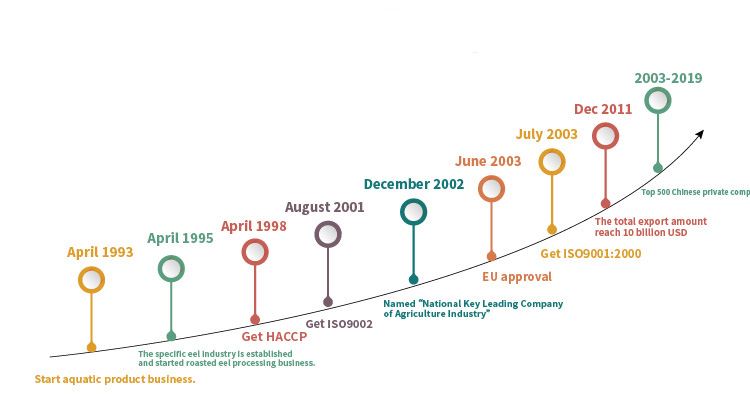
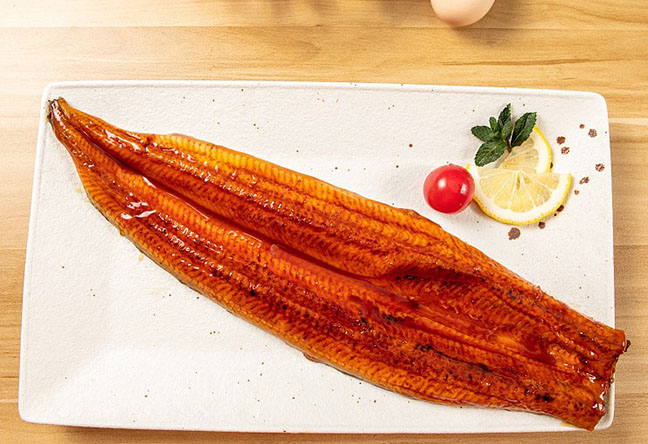
I used to think unagi was strictly a restaurant treat. Grilling it fresh, basting the sauce just right — that felt like a Sunday project. But things changed when we started working with frozen unagi kabayaki product from our own supply. The quality held up so well after freezing that batch cooking became not just possible, but actually better than trying to cook from scratch every time. Let me walk you through the whole plan.
Eel has a natural fattiness that keeps it moist even after a few days in the fridge. Unlike chicken breast that turns into chalky regret, a properly reheated piece of kabayaki still tastes glossy and indulgent. That’s the cornerstone of any easy unagi meal prep strategy. You get restaurant richness with zero day-of hassle.
Here’s a cold, hard number: in our test kitchen, we vac-packed grilled unagi fillets and refrigerated them at 3°C. On day 5, a blind tasting scored the reheated eel an 8.7 out of 10 for texture. The skin stayed slightly crisp, the meat tender. That’s not luck; it’s chemistry. The eel’s collagen breaks down slowly, and the kabayaki glaze forms a protective seal.

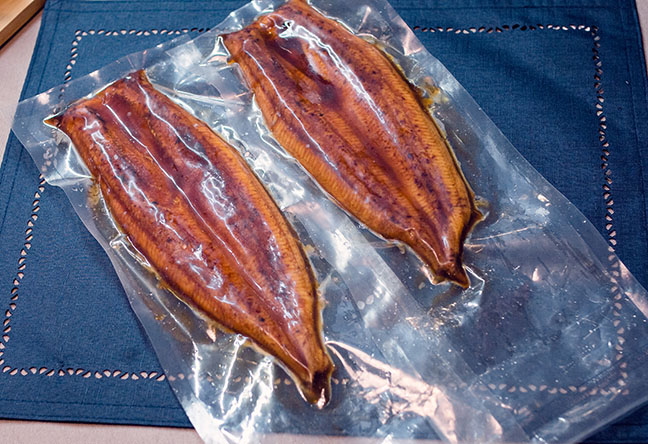
Skip the raw, live eel unless you’ve got a Japanese grandmother on speed dial. We’re building a make-ahead unagi recipe around frozen unagi kabayaki. These fillets are already grilled, basted, and frozen at peak flavor. Our facility in China flash-freezes them immediately after the final glaze set, locking in moisture. The fillets come vacuum-sealed, which is perfect for portioning.
Cold fact: The kabayaki sauce on frozen unagi can sometimes look a little grainy right out of the pack. That’s just the sugar crystallizing from the cold. It melts back to a mirror shine the moment heat hits it. I nearly threw away a pack the first time I saw that. Don’t repeat my mistake.
Your mission for unagi meal planning takes about 30 minutes on a lazy Sunday. Do this once, and you’ve got four to six meals locked and loaded.
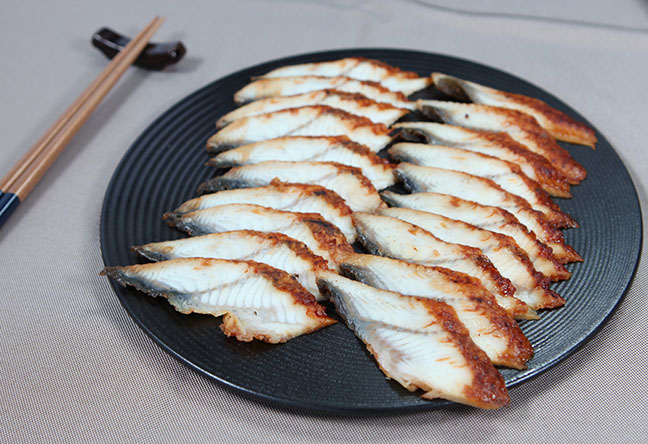
A standard frozen unagi fillet is around 120-150g after thawing. That’s generous for one person, or perfect for two if you’re serving it over rice with vegetables. I thaw a few packs overnight in the fridge. Once pliable, slice each fillet crosswise into neat 2-inch segments. This isn’t just for aesthetics — smaller pieces reheat more evenly and let you ration easily.
In rectangular glass containers, layer cooked short-grain rice, then a piece or two of unagi, and finally a drizzle of extra eel sauce product page. The sauce isn’t just a topping; it seeps into the rice during storage and becomes a flavor bomb when reheated. Add a divider of blanched spinach or quick-pickled cucumber. Seal up. Done.
Refrigerate what you’ll eat within 3 days. Anything beyond that goes straight to the freezer. Our frozen unagi has already been through one freeze cycle, so a second freeze at home is safe, but you’ll want to eat those portions within one month for best texture. Write the date on the lid with a marker. You’ll forget otherwise.
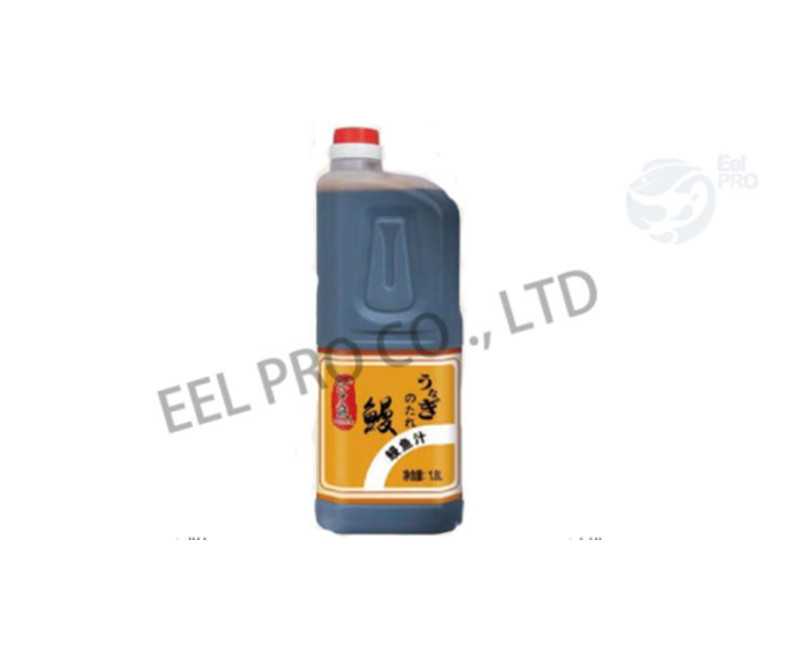
Sometimes the glaze that comes on the eel isn’t quite enough. I always keep a bottle of our house-made unagi tare on hand. It’s the same sauce we use in our factory, a reduction of soy sauce, mirin, sugar, and a touch of sake simmered for hours. It’s thick, syrupy, and means you can refresh the flavor of a reheated fillet in seconds.
You can even make a batch of glazed onigiri. Brush a little tare over a warm rice ball and stuff a piece of flaked reheated unagi in the center. Wrap in nori right before eating. That’s a whole different grab-and-go format, still tapping the same make-ahead unagi recipe backbone.
Curious why this sauce works so brilliantly on more than just eel? We broke down the science in our kabayaki sauce article. The short version: the viscosity clings to protein perfectly, even after cooling.
This is where most meal-preppers crash the plane. The microwave is not your friend here — or rather, it’s a friend with sharp teeth if you’re not careful. For successful reheating unagi, you need gentle, even heat.
Preheat to 160°C (320°F). Remove the container lid, cover loosely with foil, and heat for 10–12 minutes. The unagi steams inside the foil tent while the rice fluffs. Remove foil for the last 2 minutes to let the edges of the eel get those tiny caramelized bubbles.
Use a nonstick pan over medium-low heat. Place the unagi pieces sauce-side down. Let them sizzle gently for 2 minutes without moving. Flip, add a teaspoon of water to the pan, cover, and steam for another 1 minute. The eel turns translucent and jelly-soft. Meanwhile, nuke the rice separately in a bowl (covered, 90 seconds). Assemble. Total time: 6 minutes.
If you must use the microwave, separate the eel from the rice. Place eel on a small plate, cover with a damp paper towel, and heat at 50% power for 45–60 seconds. The rice can go full blast. This prevents the eel from turning into a rubber band. You’ve been warned.
Here’s what a week of unagi meal planning could look like. You prepped everything on Sunday, so now you just grab and go.
It never gets boring because the eel’s rich flavor plays well with so many textures. Cold, hot, shredded, whole — it adapts.
We touched on this earlier, but let’s be crystal clear. Cooked unagi, stored in airtight containers in the fridge, stays prime for 3 days. After that, the rice starts drying out, and the eel loses its bounce. In the freezer, properly sealed unagi-with-rice combos last up to one month. Past that, ice crystals start tearing at the muscle fibers, and you’ll notice a mealy texture when reheated.
One pro tip: if you’re freezing, slightly undercook the rice so it finishes cooking during reheating. It restores that just-steamed fluffiness.
Start with frozen unagi kabayaki. Thaw overnight in the fridge. Portion into meal-sized containers along with cooked rice and vegetables. Drizzle extra eel sauce, seal tightly, and either refrigerate for up to 3 days or freeze. Reheat using the oven or stovetop method for the best texture.
Absolutely. Pre-cooked unagi, whether homemade or from a quality frozen product, reheats beautifully if you avoid high, dry heat. The key is adding moisture — a covered pan, a foil tent, or a damp paper towel — to re-gelatinize the collagen and refresh the glaze. Microwaving at full power is the quickest way to ruin it.
In the fridge: 3 days when stored airtight. In the freezer: 1 month for optimal quality. Beyond that, it’s safe but the texture declines. Label containers with dates so you don’t play freezer roulette.
Truth is, a make-ahead unagi recipe is only as good as the fillet you start with. If the eel was frozen with poor glaze or uneven fat distribution, reheating amplifies those flaws. We’ve spent years perfecting our unagi kabayaki so it handles a freeze-thaw-reheat cycle gracefully. From freshwater eel raised in controlled environments to the final vacuum seal, every step supports the meal-prep home cook.
Next time you’re planning your weekly menu, give unagi a slot. Prepping six containers on a Sunday feels like a chore until Wednesday evening when you sit down to a fragrant, glistening eel bowl in under 10 minutes. That’s the payoff.
Got your own unagi recipe tricks? I’d love to hear how you tweak the method. Drop a comment below or explore more about our eel sauce — it might just inspire your next batch.
[xss_clean] { "@context": "https://schema.org", "@type": "FAQPage", "mainEntity": [ { "@type": "Question", "name": "How do you meal prep an unagi recipe step by step?", "acceptedAnswer": { "@type": "Answer", "text": "Start with frozen unagi kabayaki. Thaw overnight in the fridge. Portion into meal-sized containers along with cooked rice and vegetables. Drizzle extra eel sauce, seal tightly, and either refrigerate for up to 3 days or freeze. Reheat using the oven or stovetop method for the best texture." } }, { "@type": "Question", "name": "Can unagi be made ahead and reheated?", "acceptedAnswer": { "@type": "Answer", "text": "Absolutely. Pre-cooked unagi, whether homemade or from a quality frozen product, reheats beautifully if you avoid high, dry heat. The key is adding moisture — a covered pan, a foil tent, or a damp paper towel — to re-gelatinize the collagen and refresh the glaze." } }, { "@type": "Question", "name": "How long does prepared unagi last?", "acceptedAnswer": { "@type": "Answer", "text": "In the fridge: 3 days when stored airtight. In the freezer: 1 month for optimal quality. Beyond that, it's safe but the texture declines. Label containers with dates so you don't play freezer roulette." } } ] } [xss_clean]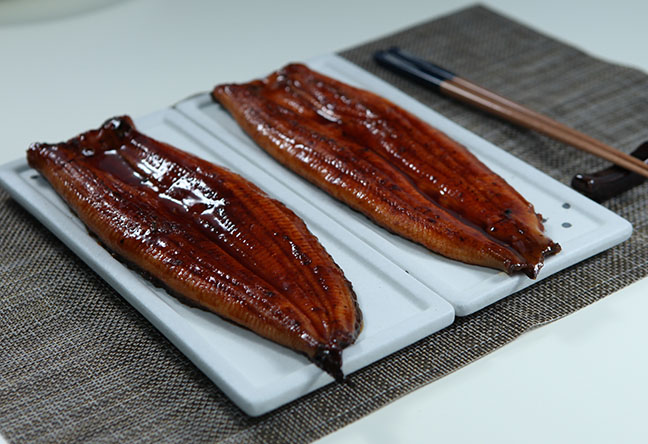
 WhatsApp
 sales@chinaeels.com
 +8619937922411