





The rice is hot, the grilled eel is glossy, and then you spot the sauce in the refrigerator: thick, sticky, and no longer easy to pour. Should you warm it, thin it, or throw it away? This eel sauce recipe gives you a dependable base along with practical storage and reheating guidance for home kitchens and foodservice operations.
A good unagi sauce should be sweet, salty, savory, and faintly smoky. It should fall slowly from a spoon, coat the eel evenly, and leave a clean gloss instead of a heavy, glue-like layer. Making the sauce is straightforward; keeping that flavor fresh is where proper handling matters.
Eel sauce is commonly known as unagi tare or kabayaki sauce. Despite its name, many versions do not contain eel. The classic blend usually combines Japanese soy sauce, mirin, and sugar. More traditional preparations may include grilled eel bones, trimmings, or cooking juices for added richness and depth.
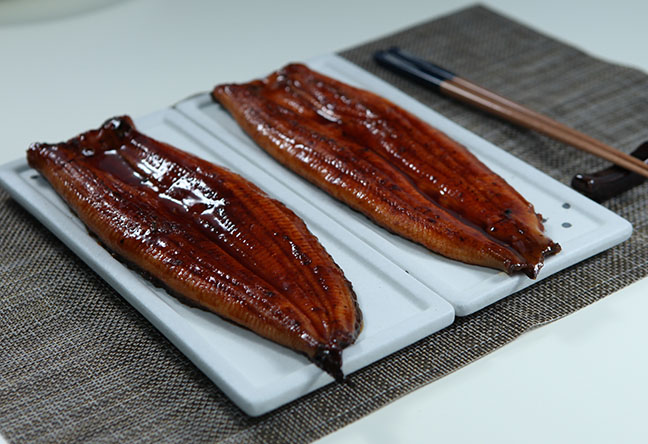
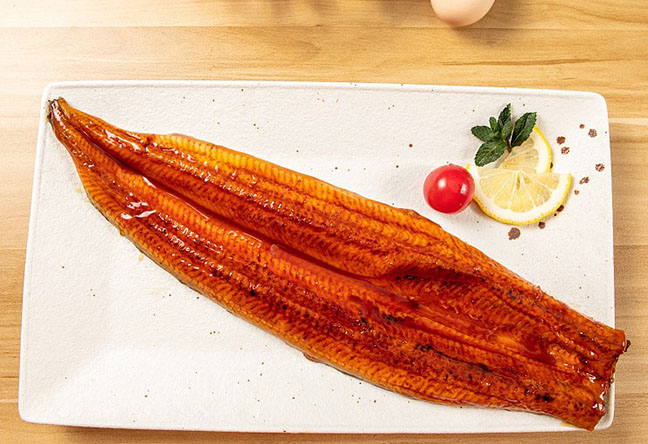
The sauce is used for unagi kabayaki, rice bowls, sushi rolls, grilled seafood, chicken, tofu, and noodles. At home, a spoonful can transform plain steamed rice into a quick donburi. In a restaurant kitchen, the same sauce may serve as a finishing glaze for dozens of plates.
Commercial eel sauces can also contain water, corn syrup, alcohol, thickeners, or preservatives. Storage instructions may vary by product, so always follow the label after opening.
This ratio makes a balanced sauce with enough sweetness for grilled eel without masking its natural flavor. For a thicker, restaurant-style glaze, let it simmer a little longer. For a lighter dipping sauce, stir in one or two tablespoons of water after cooking.
For a brushable glaze, reduce the sauce until it coats the back of a spoon. For rice bowls, stop a little earlier. Sauce that looks just right in the pan can become noticeably thicker after a night in the refrigerator.
Making homemade unagi sauce a day before serving is often a smart choice. The flavors settle overnight, and dinner service becomes much quicker. Prepare the sauce, strain it, cool it, and refrigerate it in a shallow container. The next day, warm only the amount you need.
Do not leave the entire saucepan on the counter for hours. Divide a large batch into smaller portions instead. A 250 ml container cools much faster than a deep 1-liter jar, and smaller portions prevent repeated warming and cooling.
If you are preparing sauce for catering or restaurant service, label every container with:
Use a clean ladle every time. A spoon that has touched raw fish, cooked rice, or other foods can introduce bacteria into the sauce.
Proper eel sauce storage begins before the sauce goes into the refrigerator. Cool it quickly, use a clean sealed container, and keep the refrigerator at 4°C / 40°F or below. Avoid placing a steaming container directly beside delicate foods such as sashimi, dairy, or fresh produce.
A clean, strained sauce made with soy sauce, mirin, and sugar generally keeps for 5 to 7 days in a cold refrigerator at its best quality. Some kitchens hold a properly cooked, low-moisture sauce for up to two weeks, but that depends on the recipe, handling, acidity, and local food regulations. If the sauce includes eel stock, fresh aromatics, or cooking juices, use the shorter timeframe.
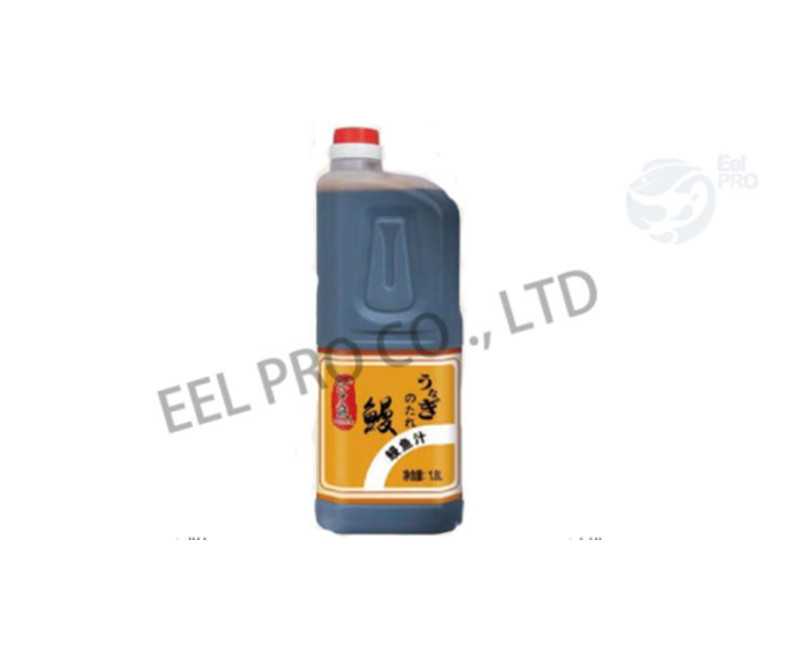
Commercial sauce is different. An unopened bottle may last much longer, while an opened bottle may require refrigeration. Check the manufacturer’s label. Eelpro’s eel sauce is made for practical foodservice use, but buyers should still follow the storage instructions printed on the packaging.
The unagi sauce shelf life is not determined by smell alone. Soy sauce has a naturally strong aroma, even when fresh, so inspect the sauce carefully before using it.
Discard the sauce if you notice:
Do not taste a suspicious sauce to test it. A small sample is not a safe inspection method. Sugar and salt can slow spoilage, but they do not make sauce immune to bacteria or mold.
Cold fact: a thick sauce is not automatically a safer sauce. Reducing water may slow some spoilage, but it does not replace clean handling and cold storage. Texture tells you how much the sauce has reduced; it is not a food safety guarantee.
Yes, you can freeze eel sauce, especially if you have made more than you will use within a week. Freezing works well for home cooks and foodservice kitchens that prepare sauce in measured portions.
Ice cube trays are especially useful when brushing sauce onto grilled eel. Once the cubes are frozen, transfer them to a sealed freezer bag. You can thaw one cube for a single serving without warming the whole batch.
After thawing, the sauce may appear slightly separated or thicker than before. Stir gently. If it still seems too dense, add 1 teaspoon of warm water at a time until it reaches the consistency you want.
Freeze the sauce by itself rather than freezing it over cooked rice or eel. Rice can turn dry and firm, while the sauce may soak into the food and lose its glossy finish.
The safest, most reliable answer to how to reheat eel sauce is simple: use low heat, warm only what you need, and stir often.
Never leave a sugary sauce unattended over high heat. The bottom can scorch while the surface still appears smooth. A thick-bottomed saucepan is more forgiving than a thin metal pot.
For a small serving, place the sauce in a microwave-safe bowl. Heat at 50% power for 15 to 20 seconds, stir, and repeat until warm. Cover the bowl loosely to reduce splashing, but do not seal it tightly. Microwave ovens create hot spots, so stirring is essential.
Thaw frozen sauce overnight in the refrigerator. If you are short on time, place the sealed container in cool water and change the water regularly. Once thawed, use the stovetop or microwave method above. Do not repeatedly freeze, thaw, and reheat the same portion.

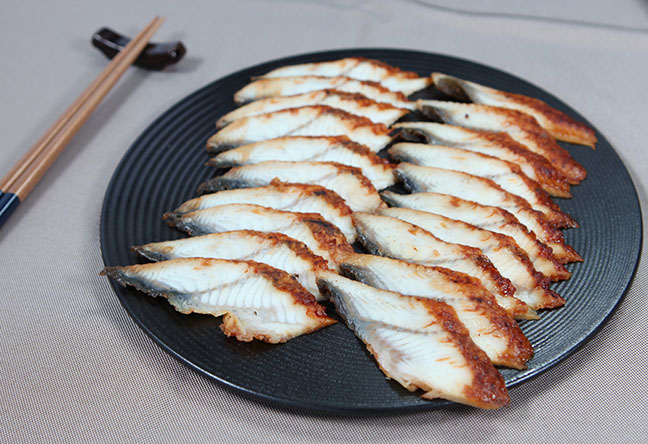
Brush the sauce onto grilled eel during the final 1 to 2 minutes of cooking. Add it too early, and the sugar may burn before the eel is properly heated. For a rice bowl, drizzle one tablespoon over steamed rice, add sliced kabayaki, then finish with another teaspoon of sauce.
It also works beautifully with:
For a warm noodle meal, pair the sauce with the method in these eel recipes. A few drops of toasted sesame oil and sliced scallions can round out the bowl without overpowering the sauce’s sweet-salty character.
Want a closer look at how sauce shapes grilled eel? Read Eelpro’s guide to kabayaki sauce for more serving and flavor ideas.
When made with soy sauce, mirin, and sugar, then strained, sealed, and refrigerated at 4°C / 40°F or below, homemade sauce is best used within 5 to 7 days. Sauce containing eel stock or fresh cooking juices should be used sooner. Discard it if you notice mold, gas, a sour odor, sliminess, or an unknown storage history.
Yes. Freeze it in small portions for up to 2 to 3 months for good quality. Thaw it in the refrigerator, stir well, and add a teaspoon of warm water if it has become too thick. Do not repeatedly thaw and refreeze the same portion.
Warm it gently in a saucepan over low heat for 2 to 5 minutes, stirring often. You can also microwave a small portion at 50% power in 15- to 20-second intervals. Stop when the sauce is warm and pourable. Avoid high heat because the sugar can scorch.
Yes. Reduce the sugar by 15 to 25 percent in the first batch, then taste after cooling. Keep in mind that sweetness balances the salt in soy sauce and helps create the glossy glaze associated with kabayaki.
They are similar, but not identical. Eel sauce is usually thicker, sweeter, and designed to coat grilled eel and rice. Teriyaki sauce often includes ginger, garlic, or other seasonings and may be used as a marinade as well as a finishing sauce.
A dependable eel sauce recipe is only half the job. Cool it promptly, refrigerate it in clean portions, freeze extra sauce when needed, and reheat it slowly. These small habits preserve the shine, sweetness, and savory depth that make unagi dishes so satisfying.
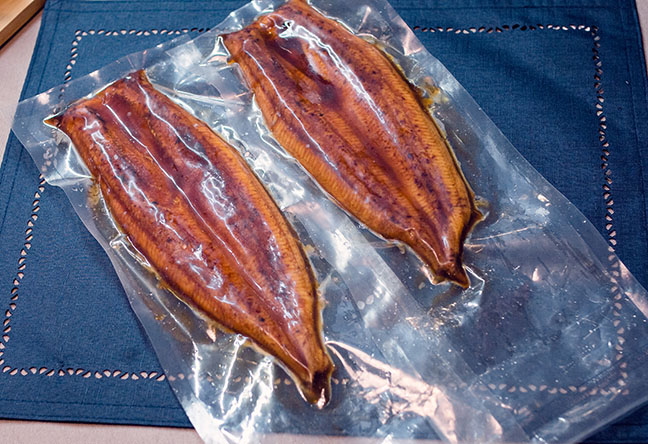
For a faster service routine, pair ready-to-cook frozen unagi kabayaki with Eelpro Co., LTD’s eel sauce and seafood products. If you try this method, share your preferred storage time, serving idea, or sauce adjustment in the comments. We would love to hear whether you prefer a darker glaze, a thinner rice-bowl sauce, or a sweeter finish.
 WhatsApp
 sales@chinaeels.com
 +8619937922411