





The first time I tried making eel tempura at home, the result was a greasy, soggy mess inside a coat of armor. The delicate sweetness of the eel was lost, buried under a thick shell that had absorbed enough oil to fuel a small car. The failure came down to three things: I picked the wrong cut, I wrestled with lumpy batter, and my oil was about 50 degrees too cold. Getting it right isn't hard once you fix the basics.
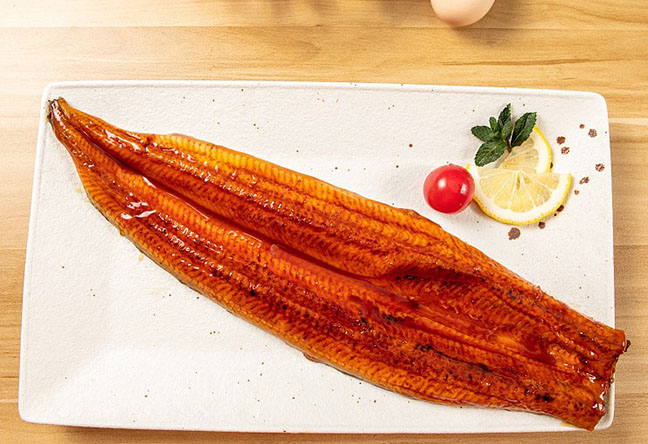
This isn't just frying fish. It's about trapping steam inside a whisper-thin shell, gently pressure-cooking the fatty flesh until it dissolves on your tongue. We've seen kitchens struggle with splitting batter and dried-out fillets. The shift always happens when they stop treating this like standard fish and chips and start respecting the unique oil content of freshwater eel. Before diving into the specific techniques, it helps to understand the ingredient itself. High-quality unagi kabayaki starts with the same rich flesh, and seeing how it responds to heat in a grill pan can teach you a lot about how it will behave in hot oil.
Not every piece of eel belongs in a tempura pot. The anatomy matters. If you get this wrong, you'll fight bones, chew through tough muscle, or watch your expensive fillet curl up into a ball in the oil.
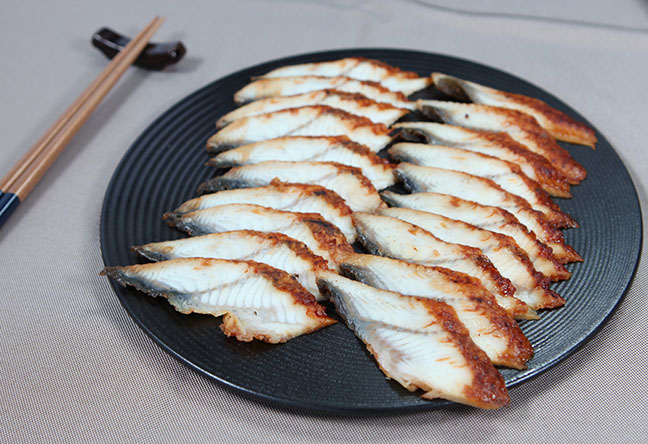
The sweet spot is the belly section. It's fattier, more tender, and gets that melt-in-your-mouth quality under high heat. The dorsal cut, the back of the eel, is leaner and firmer. It still works. But for that classic Japanese eel tempura texture where the fish steams inside the shell, belly is king.
Avoid the tail end. The tail is all muscle from swimming. It's tough, no matter how gently you coax it. Save the tail for a rich stew or a long simmering stock. For tempura, you want a center-cut fillet, about 1.5 cm thick. If it's too thick, the batter burns before the center cooks. Too thin, and it dries out into a leather strip.
One more thing: bones. Even "boneless" fillets hide fine pin bones. Run your finger down the center line. If you feel resistance, grab a clean pair of fish bone tweezers. Pull them out at a flat angle so you don't tear the flesh. Cold eel is stiffer and makes for easier bone removal.
This leads straight to a question we hear constantly in foodservice conversations: can frozen eel be used for tempura? The simple answer is yes. Absolutely. In fact, for many kitchens, it’s the preferred starting point.
Flash-frozen freshwater eels lock in moisture and texture at the peak of freshness. A fresh eel that has sat in a fridge for three days is a far bigger risk for mushy tempura than a properly thawed frozen one. The key is the thawing process. Do not microwave it. Put the vacuum-sealed pack in a bowl of cold running water, or let it sit overnight in a refrigerator at 4°C. The flesh needs to be completely dry before it hits the batter. Pat it hard with paper towels. Wet flesh equals steam in the batter before you even hit the oil, which equals instant sogginess.
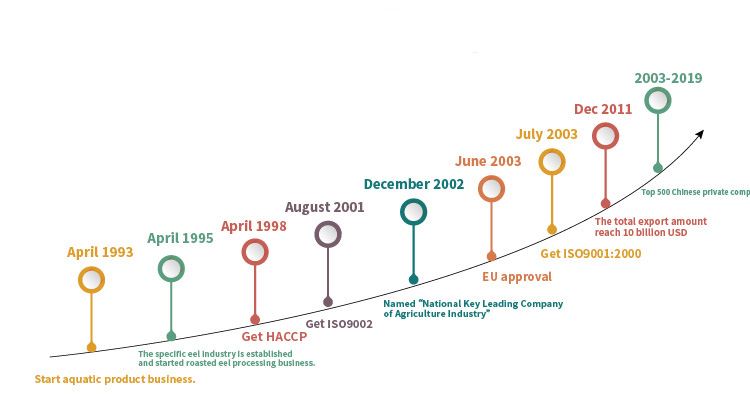
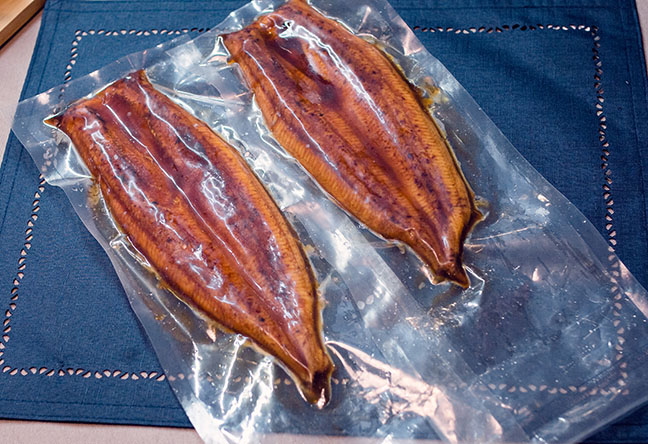
Our processing line freezes unagi kabayaki products at their optimal state, and the same cold-chain logic applies to the raw fillets. A stable frozen supply also means you aren't held hostage by a local market's inventory. You get consistency in fat content and size, which matters when you're dialing in frying times.
The crunch is a temporary miracle. It has a half-life of about three minutes once it leaves the wire rack. Prolonging that crunch is about structure and heat.
A crispy eel batter doesn't come from a box. It comes from three things: ice-cold liquid, minimal gluten, and a violent temperature shock. Here's the breakdown.
Your batter ingredients need to be nearly freezing. We keep sparkling water in the freezer for 20 minutes before mixing, right to the edge of slush. Some purists use vodka in place of 30% of the water. Alcohol evaporates faster than water, so the crust dries out quicker in the oil, leaving behind a shattering crispness without a raw alcohol taste.
Vodka also inhibits gluten formation. Gluten is the enemy of tempura. You want a loose, separated batter that barely hangs together. Lumps are not just okay; they are mandatory. A smooth batter is overworked and will shrink tight, squeezing moisture out of the eel and getting chewy.
Avoid bread flour or all-purpose flour. You need a low-protein soft wheat flour, often labeled "cake flour" or a specific tempura flour. Mix it with a ratio of 1:1 flour to ice-cold sparkling water by volume, plus an egg yolk. Stir with chopsticks for 10 seconds. Stop. You should still see streaks of dry flour on the surface.

The double-fry illusion helps too. Some high-end tempura chefs in Tokyo briefly lift the piece out of the oil about 10 seconds in, letting it drip and cool for 3 seconds, then dropping it back in. The rapid cooling and reheating seems to expand the bubble structure. It's a small trick, but the visual appeal of a lace-like crust on unagi tempura is leagues ahead of a flat brown shell.
You can't trust a dial. You have to trust the visual cues. Drop a single drip of batter into the pot. If it sinks halfway, then bounces back up golden brown, you are at 170–175°C. If it stays at the bottom, it's too cold. If it skitters across the top and burns immediately, you're burning your dinner.
175°C is the magic number for tempura eel. The high fat content needs a rapid sear on the outside to prevent the fat from leaking out. Fry for 55 to 65 seconds. Not a minute more. The fillet continues cooking on the wire rack. A good sign: the bubbling sound should change from violent spitting to a softer hiss as the steam drops.
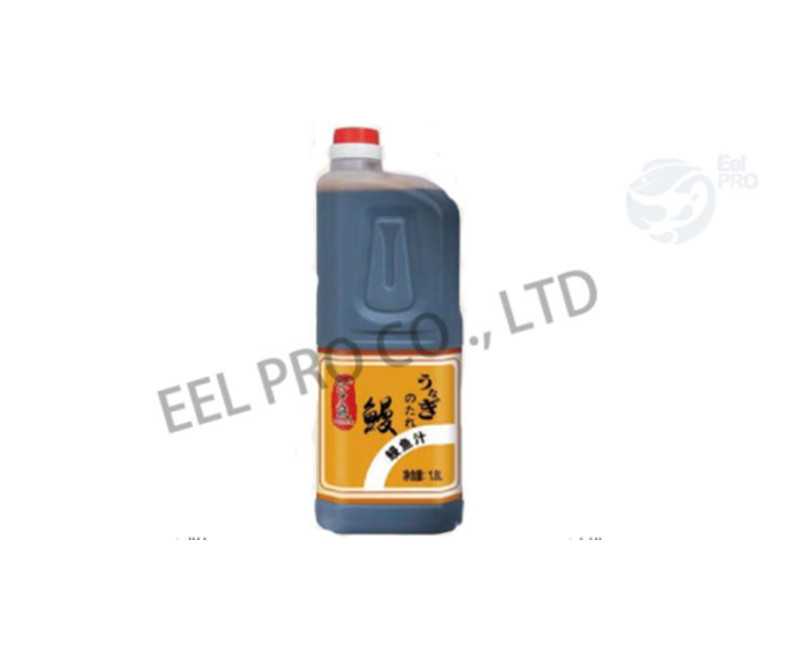
Serve the pieces with the scattered, crunchy bits of batter (known as tenkasu) that float off. Don't throw those away. They are crunchy gold. You can spoon them onto a bowl of rice or, better yet, a warm bowl of eel sauce-drizzled donburi. If you want a deeper look at why that sauce works so well with fried dishes, we explored it in our piece on kabayaki sauce.
Never lay the fried eel on paper towels. They trap steam on the underside. Use a metal wire cooling rack set over a baking sheet. If you’re serving a crowd, a 100°C oven with the door slightly cracked will hold them for a few minutes without steam-sweating the crust.
Don't drown it. That's rule one. A glistening piece of unagi tempura deserves restraint. The traditional dip is tentsuyu, a warm broth of dashi, mirin, and soy sauce, with grated daikon and a pinch of ginger. The sauce isn't for dunking. A quick drizzle with a spoon is plenty.
But the most mind-blowing pairing? Flavored salt. Mix sea salt with a single finely ground yuzu powder. The floral citrus cuts straight through the rich eel fat in a way that soy sauce can't. It highlights the natural grilled-like flavors inside the steamed batter pocket.
Make it a meal. A bowl of sticky short-grain rice, a few slivers of pickled ginger, a pile of eel tempura, and a drizzle of our eel sauce. The sauce caramelizes slightly on contact with the hot batter. It's a messy, sticky, intense bite that balances the fatty fish and the delicate crust. For another angle on using these ingredients, consider the depth you get in eel recipes where a crunchy topping on a rich broth changes the whole texture game.
The eel was probably wet, or you used too much flour when dusting it before dipping. A light dusting of flour helps the batter stick, but a thick layer acts like a slip-and-slide. Tap off the excess hard. The dry flour layer should be almost invisible.
Eel skin has a lot of gelatin. In tempura, it shouldn't be rubbery. If it is, your oil temperature was too low, allowing the skin to boil rather than sear. At a true 175°C, the skin crisps up and chars just slightly. If you hate the texture of skin entirely, scrape the fillet lightly with a knife before frying, but you lose a lot of the unagi flavor that lives right under the skin.
Look for broken pieces or trimmings from a unagi kabayaki production line. Often, suppliers have irregular cuts that aren't pretty enough for retail grilling but taste identical. These are perfect for tempura, as the batter hides the shape. The fat content is the same, and you'll pay a fraction of the price for processed fillets.
For a cold lunch, you have to accept some softening. But you can cheat. Wait for the eel tempura to cool completely on a rack. Pack the box without a lid for 10 minutes to let steam escape. Add a small packet of silica gel (food-safe) under the divider if it's a humid climate. It won't be like it was fresh from the fryer, but it won't be a wet sponge either. A crisp lettuce leaf barrier between the rice and the fish also helps.
The batter needs to be icy, the eel dry, and the oil hot enough that it almost scares you. If you wait too long between mixing the batter and frying, it turns to paste. That's the whole game. When you nail the crunch on a piece of rich, fatty eel and see the steam escape as your teeth crack through the shell, it changes how you think about frying. No heavy breading, no fishy oil, just a clean, quick bite of sweet fish inside a crisp shell.
Stocking the right frozen raw material makes this process repeatable. Whether you're a home cook aiming for a weekend project or a kitchen looking to add a premium special, consistent quality matters. Take a look at our unagi kabayaki and frozen freshwater eel selections. The same eels that grill beautifully can fry even better, and we're always happy to talk specs.
[xss_clean] { "@context": "https://schema.org", "@type": "FAQPage", "mainEntity": [ { "@type": "Question", "name": "What cut of eel is best for tempura?", "acceptedAnswer": { "@type": "Answer", "text": "The belly section is the best cut for eel tempura. It is fattier and more tender, which creates a melt-in-your-mouth texture under high heat. Avoid the tail end, which is too muscular and tough, and aim for a center-cut fillet about 1.5 cm thick. Remove any pin bones before frying." } }, { "@type": "Question", "name": "How do you keep eel tempura crispy?", "acceptedAnswer": { "@type": "Answer", "text": "Keep eel tempura crispy by using ice-cold batter ingredients, minimal mixing to prevent gluten formation, and frying at exactly 175°C. Drain the fried eel on a wire rack instead of paper towels to prevent steam from softening the underside. A light dusting of dry flour on the eel before dipping also helps the batter adhere." } }, { "@type": "Question", "name": "Can frozen eel be used for tempura?", "acceptedAnswer": { "@type": "Answer", "text": "Yes, frozen eel can be used for tempura. Flash-frozen freshwater eel often retains better moisture and texture than fresh eel that has been stored for days. Thaw the eel slowly in a refrigerator or in cold running water and pat it completely dry before battering to avoid sogginess." } } ] } [xss_clean]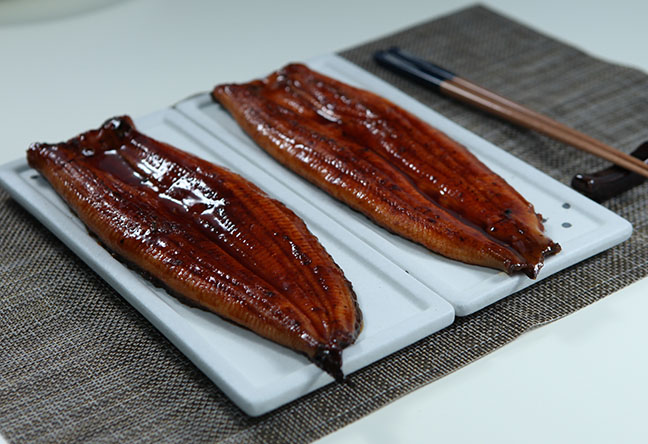
 WhatsApp
 sales@chinaeels.com
 +8619937922411