


How Do You Keep Unagi Don Rice From Going Soggy in an Unagi Recipe?
A beautiful unagi don can collapse in minutes. The eel may be glossy, the aroma may be right, and the rice may still turn wet and heavy underneath. The usual culprit is not the eel itself. It is the point where hot rice, sauce, steam, and holding time meet.
This unagi recipe guide focuses on that exact failure point. It is for home cooks refining a bowl after basic assembly, as well as kitchen teams serving several bowls in a short window. The goal is simple: keep the rice separate, fluffy, and supportive enough to carry tender kabayaki without becoming a sauce-soaked mass.
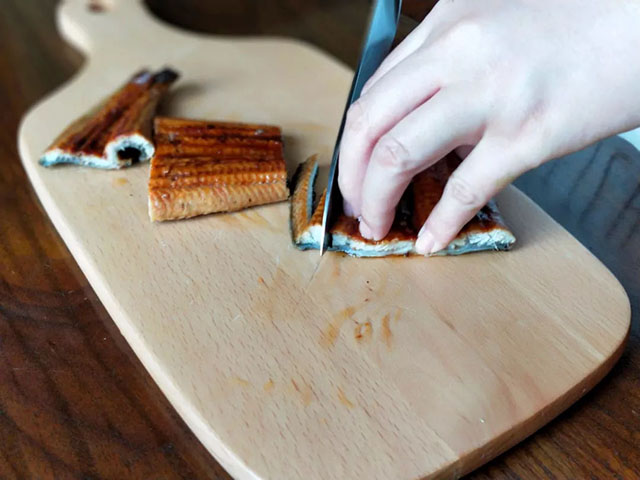
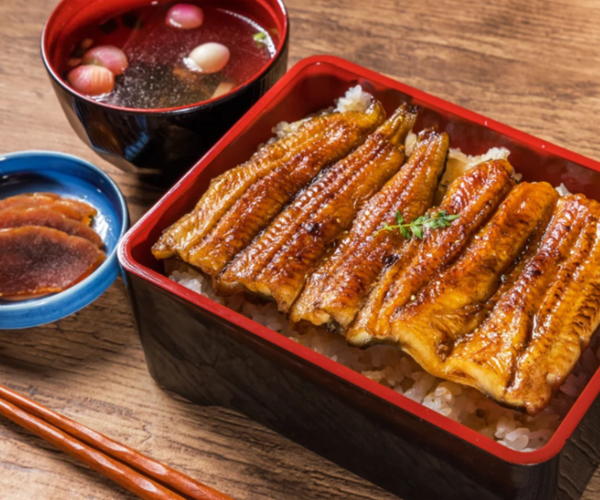
The first rule is easy to remember: sauce should coat the eel and season the upper layer of rice, not fill the bottom of the bowl. A good unagi don has contrast. The eel is soft and lacquered. The rice remains light, distinct, and easy to lift with chopsticks.
Diagnose the bowl before changing the recipe
Do not assume that every soggy bowl needs less sauce. That may help, but a wet base can also come from rice that is too steamy, a covered bowl, condensation from reheating, or a long wait between plating and service. Check the bowl in a fixed order so you correct the actual cause.
- Check for liquid at the bowl base first. Tip the bowl slightly without disturbing the eel. If free liquid runs toward one side, the bowl has received more moisture than the rice can hold. Look next at sauce application and condensation.
- Look at the rice grains. Separate, shiny grains indicate a bowl that has absorbed some seasoning but still has structure. Swollen grains that cling together suggest excess liquid, excessive steam, or both.
- Inspect the eel surface. If the eel is glossy but not dripping, the sauce is likely sitting where it should. If sauce runs off the eel in streams, too much was applied at once or it was added before the surface could hold it.
- Check the lid, wrap, or service cover. Visible droplets on the cover point to trapped steam. Those droplets will fall back into the bowl, even if the sauce amount was controlled.
- Ask when the bowl was assembled. If the first bowl looks good but later bowls become wet while waiting, holding conditions are the stronger suspect. Do not keep adding sauce to restore shine; that usually makes the problem worse.
This diagnosis order fits both a single dinner bowl and a small service line. It also prevents a common mistake: blaming frozen eel before checking the rice and plating process. Properly prepared frozen kabayaki can be tender without soaking the rice. The liquid management happens at the final assembly stage.
If you are using prepared eel, choose portions with a consistent glaze and cutting format. Eelpro supplies unagi kabayaki product options for foodservice and export buyers, including standardized cuts that can help kitchens portion bowls more consistently. Consistent portioning does not remove the need for careful saucing, but it makes the result easier to repeat.
Find the sauce, rice temperature, and holding-time thresholds that collapse an unagi bowl
There is no single universal number for sauce volume, rice temperature, or holding time. Bowl depth, rice variety, portion size, eel size, and kitchen humidity all change the result. The useful thresholds are therefore operational and visible: the moment when sauce pools, steam condenses, or the rice loses grain definition.
| Control point | Safe operating side | Wet-bowl threshold | What it indicates | Immediate correction |
|---|---|---|---|---|
| Sauce amount | The eel is evenly glossy and the upper rice layer is lightly seasoned without a puddle. | Sauce gathers at the bottom, runs down the bowl wall, or appears between rice grains as free liquid. | The bowl has more liquid than the rice surface can absorb while staying separate. | Stop adding sauce. Serve extra sauce separately or brush it onto the eel in thinner passes. |
| Rice temperature | Rice is warm and gives off little visible steam when placed in the bowl. | Rice is actively steaming enough to fog a lid, wrap, or bowl rim soon after plating. | Steam will become condensation and return moisture to the rice. | Let rice release excess steam before assembly. Do not trap it under a cover. |
| Holding time | The bowl is served while the rice grains remain distinct and the sauce stays mostly on the eel. | The bowl sits long enough for sauce to migrate downward, for steam to condense, or for rice to compress under the eel. | The bowl is no longer stable for delayed service in its current format. | Plate closer to service, hold components separately, or use a drier finishing method. |
The sauce threshold is reached when liquid pools. A dark, glossy rice surface is not automatically a problem. Free liquid at the base is. Once you see it, more rice will not truly fix the bowl because the top may become dry while the bottom remains wet.
The rice-temperature threshold is reached when steam becomes trapped. Freshly cooked rice can look perfect in the cooker and still fail after it meets a lid and warm eel. If you see condensation form, treat that as a warning. The moisture is already moving back toward the rice.
The holding-time threshold is reached when the first bowl no longer matches the last bowl. For multi-portion service, set one finished bowl aside during a normal plating run. Compare its rice texture with a newly assembled bowl. If it becomes wetter before service, the process needs adjustment. This is more useful than guessing at a fixed clock time that may not fit your equipment.
Use a sauce sequence that flavors the bowl without flooding it
The best approach is to separate eel glazing from rice seasoning. The eel can take the richer finish because its surface is meant to be glossy. Rice needs restraint. It should carry aroma and balance, not become the storage place for excess tare.
A practical assembly sequence
- Place rice in a bowl without pressing it tightly. Compressed rice has fewer air spaces, so moisture spreads through it faster.
- Allow visible steam to settle before adding the eel. The rice should still be warm enough to eat pleasantly, but not sending a continuous plume toward a lid.
- Warm the kabayaki separately according to its product instructions. Drain or wipe away any loose liquid created during reheating before it reaches the rice.
- Set the eel on top rather than burying it. This keeps the glazed side exposed and slows direct sauce migration into the bowl.
- Brush or drizzle a light finishing layer over the eel first. Pause and look for runoff.
- If rice seasoning is wanted, add only a restrained amount across the upper surface. Stop before sauce can collect at the edge or base.
- Serve immediately without sealing the bowl under a tight cover unless your service process has been tested for condensation.
This sequence is especially useful when using a sweet, concentrated tare. A thicker sauce may appear controlled at first, then loosen with heat and drip later. Review the product’s consistency before service. For more ideas on balancing sweetness, saltiness, and glaze behavior, see our kabayaki sauce article.
If you prefer to offer sauce at the table, serve it in a small separate dish. This gives diners control and protects the rice during the first minutes of eating. It is a better choice for bowls that may wait briefly at a pass or on a shared table.
Fix common soggy-rice mistakes without changing good eel
A soggy bowl often leads cooks to overheat the eel, use less eel, or switch products too quickly. Those changes can create new problems. Start with the handling mistake that matches what you can see.
- Mistake: pouring sauce over the entire bowl. This suits no-rice dishes better than unagi don. The rice acts like a sponge. Brush the eel first, then season rice only if needed.
- Mistake: placing eel on actively steaming rice and covering it. The eel warms the surface while the cover traps vapor. Keep the bowl open until it is ready to leave the kitchen.
- Mistake: reheating eel with excess liquid in the package or tray. Loose moisture becomes diluted sauce when it reaches the rice. Keep the eel flavorful, but do not transfer reheating liquid blindly.
- Mistake: making all bowls far ahead of service. A bowl that stands too long lets sauce migrate downward. Stage rice, eel, garnish, and sauce separately where possible.
- Mistake: stirring sauce through the rice to “spread flavor.” This breaks rice grains and distributes moisture throughout the bowl. For a cleaner texture, layer rather than stir.
Cold fact: the glossy appearance people expect from unagi don does not require a large sauce volume. Shine comes from an even coating and a properly warmed eel surface, not from a deep pool of tare. A thin, controlled layer can look more appetizing than an overloaded bowl.
Set up a repeatable workflow for multiple portions
When serving several bowls, the process should protect the first portion as carefully as the last. The best operational choice is usually a component-based workflow: rice ready, eel warmed, sauce controlled, final assembly completed close to pickup. This fits restaurants, catering teams, and home cooks serving guests.
| Service situation | Best method | Why it works | Limit |
|---|---|---|---|
| One or two bowls served immediately | Finish sauce on the eel, then add a restrained touch to rice only if desired. | There is little time for sauce migration or condensation. | It does not suit a bowl that will be covered and transported. |
| Several bowls leaving the kitchen together | Plate rice and eel in sequence, then apply sauce bowl by bowl at the last moment. | It reduces the gap between sauce application and eating. | It requires a clear plating station and attention from the final assembler. |
| Brief holding before pickup | Keep sauce separate until pickup, or use it mainly as an eel glaze. | It lowers the amount of moisture contacting the rice while it waits. | Guests may need a small sauce dish for extra flavor. |
| Takeaway or delivery | Package sauce separately and avoid sealing actively steaming rice. | Transport time and trapped steam make a fully dressed bowl more likely to soften. | Packaging performance must be tested with your actual bowl, lid, and route. |
For foodservice buyers, product consistency also matters upstream. Eelpro operates two modern production lines with annual finished-goods capacity of 4,000 tons, including frozen roasted eel and deep-processed aquatic products. Our roasting process uses four controlled soy-sauce coating stages, helping buyers work from a more consistent kabayaki base rather than trying to correct uneven glaze at the bowl assembly station.
We also maintain ISO 22000:2018, HACCP, and HALAL certifications, supported by an in-house laboratory and metal detectors at key control points. These systems do not determine how much sauce a cook should pour, but they matter to importers and restaurant groups that need stable product controls before they standardize a serving method.
Know when to stop adjusting and check the ingredient or process record
Stop changing multiple variables at once. If the bowl remains wet after you have reduced visible pooling, released excess steam, and shortened the time between assembly and service, document what happened before making another change.
Check the rice type, bowl shape, sauce consistency, reheating method, whether the bowl was covered, and the order of assembly. If you are working with a commercial product, keep the product specification, lot information, and preparation record available. This makes it easier to distinguish a plating issue from an issue with the prepared component.
For buyers developing a repeatable menu, request a product sample before writing final kitchen instructions. Eelpro supports export customers in Japan, the United States, Germany, Poland, Australia, Indonesia, and Southeast Asia, including long-term kabayaki supply for Japanese restaurant chains. Product specifications, cut style, and packaging format should be tested with the actual rice and service conditions rather than judged in isolation.
For related serving ideas that keep the bowl interesting without relying on extra sauce, explore eel rice bowl toppings. You can also compare finishing sauces on our eel sauce product page.
Need help selecting kabayaki cuts or sauce formats for your service style? Request a sample or quote from Eelpro with your intended bowl format and holding conditions.