





One of the Quickest Unagi Recipes Turns Leftover Kabayaki Into a Light Ochazuke Bowl
You bought a slab of grilled eel for donburi night, cooked too much rice, and now half the kabayaki sits in the fridge with its glaze turning tacky. Reheating it straight tastes flat. Pouring hot broth over cold rice sounds strange — until you try it. Unagi ochazuke, tea-and-dashi rice topped with roasted eel, solves both problems in about ten minutes. It's one of the fastest unagi recipes for a night when you want something lighter than a full rice bowl but still want that smoky glaze.
What Unagi Ochazuke Actually Is (And Why It Beats a Second Rice Bowl)
Ochazuke is a Japanese home dish — rice, then hot tea or broth poured on top, plus a few toppings. It was originally a way to use up leftover rice fast, and the same logic applies to leftover eel. A full unagi donburi calls for a whole fillet under thick tare sauce. Ochazuke stretches half a fillet, sliced thin, over a lighter broth. That makes it one of the more practical unagi recipes when your portion of frozen unagi kabayaki has already been opened and you don't want to waste the rest.
Step-by-Step: How to Make Unagi Ochazuke With Tea and Dashi
This is one of the simpler unagi recipes to put together on a weeknight, and it holds up well even with pre-cooked, thawed kabayaki.
- Warm the kabayaki gently. Use a toaster oven or dry pan at around 190–200°C (375–400°F) for 3–4 minutes, skin side up. Checkpoint: the glaze should look glossy again, not dried out. Common failure: microwaving — it heats unevenly and turns the skin rubbery instead of lightly crisp.
- Build the broth. Mix hot dashi with a splash of light soy sauce, or brew hojicha or sencha tea. A roughly 1:1 dashi-to-tea blend balances better than tea alone, which can taste too astringent against the sweet tare. Aim for about 80°C (175°F) — hot, not boiling.
- Slice the eel thin, on the bias. Thin slices reheat evenly and soak up broth without turning mushy in one bite.
- Layer the bowl. Warm rice first, eel slices fanned on top, then a few strips of nori, sliced scallion, and a small dab of wasabi on the side — not stirred in yet.
- Pour the broth at the table, right before eating. This step matters more than it looks, and it's covered in detail below.
Roughly one cup of cooked rice per 60–70g of sliced eel keeps the ratio from feeling either soupy or dry.
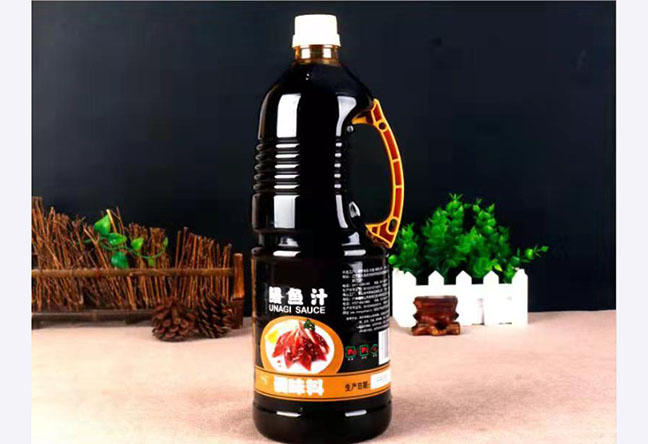
Action: How Adding Dashi at Serving Preserves Kabayaki's Crisp Edges While Balancing Its Rich Glaze
Pouring hot broth over rice ahead of time seems convenient, but it softens the kabayaki's reheated edge within a couple of minutes and dilutes the tare unevenly — the top layer gets watery while the bottom stays syrupy. Pouring the broth tableside, right before the first bite, limits contact time to under a minute. That's enough to warm the glaze and release its aroma, but not enough to turn the roasted edge soft.
| Method | Kabayaki Edge Texture | Flavor Balance | Best For |
|---|---|---|---|
| Broth poured 5+ minutes before eating | Softened, glaze turns soggy | Broth dilutes tare, flavor goes flat | Meal-prep bowls eaten later |
| Broth poured tableside, just before eating | Edge stays lightly firm, glaze stays glossy | Tare and broth taste distinct, then blend as you eat | Fresh, single-serving bowls |
This distinction matters less if you're working with cold, pre-sliced eel rather than freshly reheated kabayaki — without a crisp edge to protect, pour timing becomes a matter of personal taste rather than texture control.
Common Mistakes When Making Unagi Ochazuke
- Using boiling broth straight off the stove. Above 90°C it keeps cooking the fish and dulls the glaze color. Let it drop to around 80°C first.
- Skipping dashi and using only tea. Straight tea can taste bitter against sweet tare; blending it with dashi softens that edge.
- Reheating kabayaki in the microwave. Uneven heat leaves the skin rubbery instead of lightly crisp.
- Stirring wasabi directly into the hot broth. Heat kills its sharpness fast — keep it as a side topping instead.
- Over-filling the bowl with rice. Too much rice buries the eel flavor; stick close to the 1 cup rice to 60–70g eel ratio.
Choosing the Right Kabayaki and Broth Base for Ochazuke
Sourcing decisions matter here more than most home cooks expect, especially if you're testing several unagi recipes before settling on a go-to. Use this checklist before buying:
- Boneless fillet — easier to slice thin without hitting stray bones in an ochazuke bowl.
- Single-portion vacuum packs — lets you thaw and use half a fillet without wasting the rest.
- Separate tare sachet, if available — gives you control over glaze strength versus broth strength, rather than a fixed ratio baked onto the fish.
- Visible roast color — a deep mahogany glaze usually signals a proper multi-layer soy-sauce coating rather than a single quick dip, which affects how the flavor holds up once broth is added.
For the broth side, keep both dashi granules and loose-leaf green tea on hand — that's the classic combination, and it's far more forgiving than trying to recreate restaurant tare from scratch. If you want to understand how a well-balanced tare is built in the first place, this piece on kabayaki sauce breaks down the layering process. And if a batch turns out too salty or too thin, the fixes in this kabayaki sauce recipe: fix flavor mistakes guide apply just as well to ochazuke as to a rice bowl.
Serving and Storage Notes for Leftover Kabayaki
Keep unused kabayaki refrigerated, wrapped tightly, for up to two days — after that, texture and glaze quality drop off fast, so freeze any extra portion instead of pushing it further. If you're building out more than one bowl of unagi ochazuke, pair it with pickled daikon or a few shiso leaves on the side rather than more sauce — the point of ochazuke is a lighter bite than a full donburi. For a heavier option using the same base ingredients, the unagi ramen: japanese eel noodle soup guide covers how the same dashi base scales into a full noodle bowl. And if eel sauce runs low mid-week, the eel sauce (unagi tare) page has ready options that skip the reduction step entirely.
If you're sourcing frozen kabayaki for a restaurant menu or a retail line rather than a single dinner, request a spec sheet or sample pack first — check roast color, glaze layering, and bone-free cut before committing to a full order.

 WhatsApp
 sales@chinaeels.com