


Build Weeknight Unagi Bowls With Crisp Rice and Glaze Using Unagi Recipes
A weeknight unagi bowl can fail in the final minute. The eel may be glossy and fragrant, yet the rice underneath turns wet, heavy, and sauce-soaked. The answer is not adding more sauce. It is controlling when steam leaves the rice, when the prepared eel is reheated, and when the glaze touches the bowl.
These unagi recipes are designed for home cooks starting with prepared frozen kabayaki. You do not need to clean, skin, or grill a whole eel. Start with cooked rice, thawed or ready-to-reheat eel, a small amount of tare, and toppings that add freshness rather than more moisture.
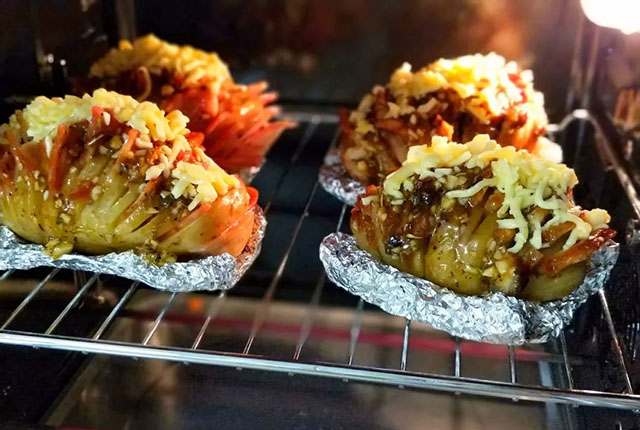
The target result is simple: distinct rice grains with a dry-looking surface, tender eel that has not dried out, and a light glossy coating that stays mostly on the fish. This is the difference between a bowl that feels restaurant-inspired and one that eats like leftover rice covered in syrup.
Choose Prepared Kabayaki That Fits a Fast Bowl Format
For weeknight bowls, choose prepared unagi kabayaki product rather than raw freshwater eel. Kabayaki is a Japanese preparation in which eel is grilled and glazed; this prepared format removes the most labor-intensive part of the meal. For a reliable bowl, the key buying question is not only flavor. It is whether the eel is portioned and packed in a way that lets you reheat it without overhandling.
Frozen kabayaki works best when the fillet can be warmed intact, then cut after reheating. Cutting it cold can tear the flesh. Cutting it after it has been overheated can make it flake and lose its clean presentation.
| Prepared eel choice | Best use | Why it works | When it does not fit |
|---|---|---|---|
| Full or large kabayaki fillet | Classic unadon-style bowl | Creates broad, attractive slices and keeps the glazed surface intact | Less convenient when serving very small portions or mixing eel into other ingredients |
| Cut kabayaki pieces | Rice bowls, lunch boxes, mixed toppings | Allows easy distribution across the rice without extra knife work | Can dry faster if reheated too aggressively |
| Boneless or deboned prepared eel | Family meals and casual service | Reduces table-side concern about small bones | Does not replace careful reheating and gentle handling |
| Eel sauce supplied separately | Bowls where rice texture matters | Lets the cook glaze the eel without flooding the rice | Not ideal if you prefer a heavily sauced rice dish |
Use a sauce that is intended for eel rather than an arbitrary sweet barbecue sauce. Prepared tare is designed to complement the roasted flavor of kabayaki without masking it. See the eel sauce product page when choosing a ready-to-use option, or review this kabayaki sauce article for a closer look at why sauce placement changes the finished bowl.
For buyers sourcing prepared eel for foodservice or retail, consistency matters before cooking begins. Eelpro operates two modern production lines with annual finished-product capacity of 4,000 tons. Its frozen roasted eel is made with a controlled 4-layer soy-sauce coating process, helping create a recognizable roasted surface before the home cook adds a final touch of tare.
Set Up the Bowl Components Before Any Heat Is Applied
The bowl comes together quickly once the eel is warm, so prepare every component first. This prevents a common mistake: leaving hot eel on a plate while searching for toppings, then reheating it again because it has cooled. Repeated heating is a direct route to dry, stringy fish.
Prepare these components
- Cooked rice: Use freshly cooked short-grain rice or reheated rice that has been loosened gently. The rice should be hot enough to support the eel, but not trapped under a tight lid when assembly begins.
- Prepared kabayaki: Keep the eel in broad sections until it is warm and flexible enough to slice cleanly.
- Unagi tare: Place it in a small dish or spoonable container. Do not pour directly from a bottle over the bowl.
- Dry or low-moisture toppings: Toasted sesame, nori strips, sliced scallion greens, shiso, or pickled ginger are useful choices.
- Fresh toppings: Cucumber, avocado, or a softly cooked egg can work, but add them in controlled portions because they can introduce moisture or weight.
A useful cold fact: nori does not become a decorative topping until the end. Add it too early and steam turns it limp. Add it after the eel is placed and it keeps its aroma and light snap.
If you want a fuller topping plan, the guide to eel rice bowl toppings can help you match vegetables and garnishes to a sweet-savory glaze. For this method, avoid topping combinations that release a lot of liquid, such as heavily dressed salads or watery pickles piled over the rice.
Coordinate Rice Resting, Eel Reheating, and Final Glazing So the Bowl Stays Crisp Rather Than Soggy
The most useful rule is this: let the rice release excess steam while the eel reheats, then glaze the eel immediately before it reaches the bowl. Rice should stay separate and airy. The word “crisp” here means a clean surface and distinct grain structure, not hard or fried rice.
| Stage | Action | Successful checkpoint | Failure reason |
|---|---|---|---|
| Rice resting | Fluff cooked rice gently and leave it uncovered briefly while you prepare the eel. | Steam is no longer billowing heavily from the surface, but the rice is still warm. | Covering the rice tightly traps condensation, which later turns into a wet base. |
| Eel reheating | Warm prepared kabayaki according to its package instructions, keeping the surface protected from harsh direct heat. | The fillet bends slightly without breaking, and the flesh looks moist rather than chalky. | Too much heat tightens the fish and dries the edges before the center is pleasant. |
| Final glazing | Brush or spoon a thin layer of tare over the warmed eel, not across the whole bowl. | The surface shines and the sauce clings to the fish instead of pooling. | Pouring sauce onto rice creates a wet layer that quickly collapses grain definition. |
| Assembly | Place eel over rice, then add dry garnishes and optional fresh accents around it. | The eel sits visibly on top and the rice remains visible at the edges. | Burying eel under toppings traps heat and makes the glaze run. |
Follow this workable cooking sequence
- Cook or reheat the rice first. Once it is ready, fluff it with a rice paddle or fork using light lifting motions. Do not mash it. Leave it loosely covered or briefly exposed so excess steam can escape.
- Prepare the serving bowls and toppings. Put sesame, nori, scallions, ginger, cucumber, or avocado within reach. If using an egg, cook it before reheating the eel so the fish does not wait.
- Reheat the kabayaki according to the package guidance. Use a method that warms the fish gradually and avoids scorching the glaze. The successful visual cue is a supple fillet with a lightly shiny surface.
- Slice only after warming. Use a sharp knife and make confident downward cuts. Sawing back and forth can drag the glaze and break the tender flesh.
- Glaze at the last moment. Apply a light coating of tare to the fish. If you want sauce on the rice, use only a restrained drizzle along one area rather than soaking the full bowl.
- Assemble without delay. Add rice first, eel second, toppings last. Serve while the eel is warm and the rice remains dry-looking at the edges.
This sequence suits a classic bowl with prepared kabayaki. It does not apply in the same way to saucy eel stews, mixed fried rice, or dishes where rice is meant to absorb broth. For those formats, moisture is part of the design.
Use Toppings That Add Contrast Without Releasing Excess Water
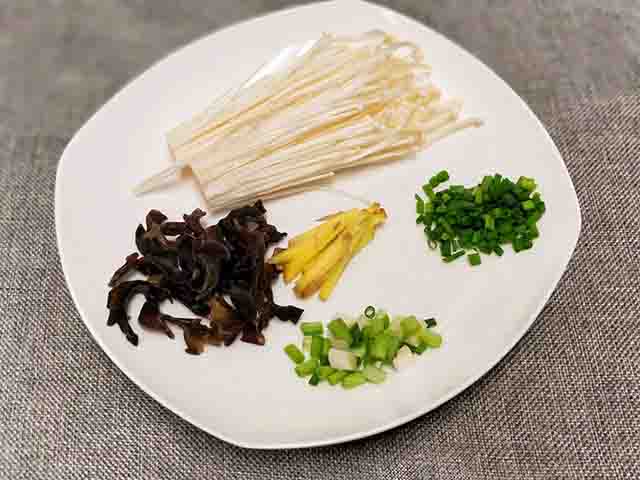
The bowl needs contrast. Sweet glaze and rich eel benefit from something toasted, something fresh, and something sharp. But every topping must earn its place. A large mound of watery vegetables makes the bowl look generous while weakening the rice texture you worked to preserve.
| Topping | What it adds | Best placement | Watch for |
|---|---|---|---|
| Toasted sesame | Nutty aroma and light crunch | Over eel and exposed rice | Use as a finish, not a thick coating |
| Nori strips | Salty marine aroma | Added immediately before serving | Steam makes nori soft quickly |
| Pickled ginger | Acidity that clears the palate | At the side of the bowl | Drain excess liquid before adding |
| Cucumber | Fresh crunch | Along one edge, away from the hottest eel | Salted or dressed cucumber can weep water |
| Avocado | Soft richness | In a small fan beside the eel | Too much makes the bowl feel heavy |
| Soft egg | Silky richness | Placed beside, not over, the rice center | Runny yolk changes the bowl into a wetter style |
For a lighter bowl, use nori, sesame, scallion, and ginger. For a more filling dinner, add avocado or egg, but reduce the tare rather than adding more. The eel already carries roasted flavor and seasoning from production.
Fix the Most Common Bowl Failures Before Serving
Good unagi bowls are not difficult, but timing errors show immediately. Use these quick recovery steps instead of trying to hide a problem with more sauce.
- Problem: the rice is wet and compressed. Cause: trapped steam or excessive tare. Recovery: spread the rice lightly in the bowl and keep new sauce on the eel only. For the next bowl, fluff rice earlier and let it vent before plating.
- Problem: the eel is dry at the edges. Cause: repeated reheating or direct harsh heat. Recovery: add a light surface brush of tare and serve at once. Do not continue heating in an attempt to make it softer.
- Problem: sauce pools at the base of the bowl. Cause: sauce was poured instead of brushed. Recovery: lift the eel briefly, blot excess pooled sauce with a spoon, then return the fish to the rice.
- Problem: nori is soft and dull. Cause: it was added while steam was still rising strongly. Recovery: add a fresh pinch immediately before eating.
- Problem: the eel breaks into fragments. Cause: slicing while cold or using a dull knife. Recovery: arrange the pieces in a deliberate line over the rice and use toppings sparingly; next time, warm the fillet before cutting.
Prepared kabayaki is particularly useful for this home format because the difficult roasting work is completed before it reaches the kitchen. Eelpro uses patented low-fat roasting and deodorizing technology, along with its defined soy-sauce coating stages. The company also maintains ISO 22000:2018, HACCP, and HALAL certification, supported by an in-house laboratory and metal detectors at control points. Those process controls matter to buyers who want a prepared eel format with traceability and repeatable handling characteristics.
For commercial buyers, Eelpro’s supply chain includes approximately 20 customs-registered eel farming bases covering more than 2,150 mu, with traceability from farming registration through shipment. The company has also supplied kabayaki eel to Japanese restaurant chains over the long term. That background does not replace proper kitchen timing, but it helps foodservice operators source a product designed for controlled roasting and consistent portion use.
Adapt the Same Method for Different Weeknight Bowl Styles
Once the basic bowl is working, change only one element at a time. Keep the rice-resting and final-glazing sequence the same. That is the part that protects texture.
Classic unadon-style bowl
Use rice, sliced kabayaki, a thin final glaze, sesame, nori, and scallion. This is the best choice when you want the eel to remain the clear focus. It does not suit diners looking for a heavily loaded grain bowl.
Fresh cucumber and avocado bowl
Use a smaller amount of tare, then place drained cucumber and avocado beside the eel. This format suits warmer evenings and readers who prefer a brighter contrast. It is less suitable for packed lunches because the fresh ingredients can soften the rice during storage.
Egg and eel comfort bowl
Add a softly cooked egg beside the kabayaki rather than directly over it. The egg rounds out the sweet-smoky flavor and makes a satisfying dinner. It is not the right variation if the goal is the driest possible rice surface, because yolk naturally adds richness and moisture.
For another dinner direction using prepared eel, explore unagi ramen guide. Noodle soup follows a different moisture logic, so do not transfer the dry-rice assembly rules directly to broth-based dishes.
Want help selecting frozen kabayaki cuts or eel sauce for your menu or retail range? Request product selection advice or a sample specification from Eelpro.