2026-08-15
by
Zuoxu
This Unagi Sushi Recipe Makes Perfect Nigiri Without a Mat
Unagi sushi is a classic Japanese preparation featuring grilled freshwater eel glazed with a sweet and savory sauce, served over a bed of seasoned rice. For many restaurants and home chefs, the appeal lies in its rich, umami-packed flavor and luxurious texture. But achieving that perfect form, especially for nigiri, can seem intimidating. This guide provides a straightforward unagi sushi recipe that bypasses the need for special equipment like bamboo mats, focusing instead on the quality of the ingredients and a simple hand-shaping technique. You can create consistently delicious results perfect for any menu.
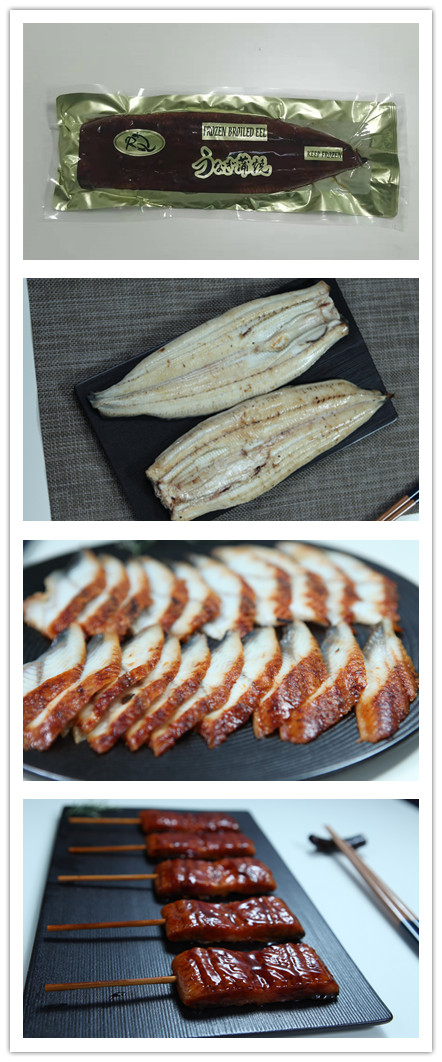
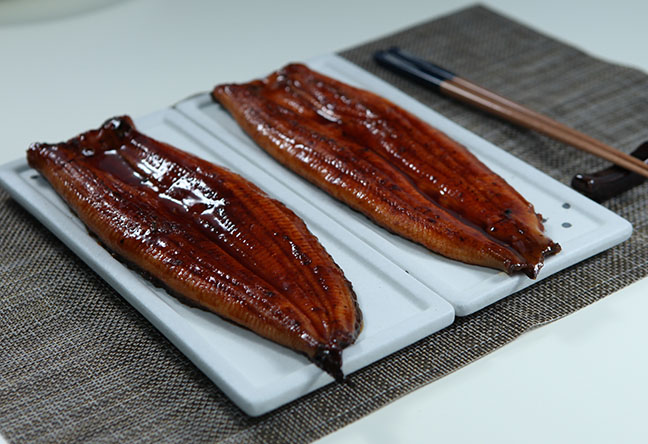
The key to a great eel sushi recipe is starting with exceptional ingredients. Using high-quality, pre-cooked unagi kabayaki product saves immense time and effort in the kitchen, eliminating the complex process of deboning, skewering, and grilling fresh eel. This allows you to focus on the two elements that truly define this dish: perfectly seasoned rice and beautiful presentation.
The Foundation: Perfecting Sushi Rice for Unagi
The rice, or shari, is not just a base; it's half the experience of Japanese unagi sushi. The wrong rice can turn a delicate dish into a sticky, flavorless mess. As the Eelpro Technical Team, we've tested countless batches and found that the rice selection and seasoning process are critical for success. The goal is rice that is tender and slightly sticky, with each grain distinct, and seasoned to complement the rich eel.
What rice is best for unagi sushi? Always choose a premium short-grain or medium-grain Japanese rice. Brands like Koshihikari or Calrose are ideal. These varieties contain the right balance of starches (amylose and amylopectin) to become sticky when cooked, allowing them to be shaped without falling apart. Long-grain rice like Basmati or Jasmine will not work for this unagi sushi recipe.
Sushi Rice Seasoning and Cooling Procedure
Proper seasoning and cooling are non-negotiable. The seasoning, or sushi-zu, adds a subtle sweet and tangy flavor that cuts through the richness of the unagi.
- Rinse the Rice: Place 2 cups of uncooked short-grain rice in a bowl. Cover with cold water, swirl with your hand, and drain. Repeat 4-5 times until the water runs mostly clear. This removes excess surface starch and prevents gummy rice.
- Cook the Rice: Cook the rice according to your rice cooker's instructions or on the stovetop. Use slightly less water than you normally would for plain rice (about a 1:1 ratio of rice to water) to achieve a firmer texture.
- Prepare the Vinegar Seasoning: While the rice cooks, gently heat 1/4 cup rice vinegar, 2 tablespoons of sugar, and 1/2 teaspoon of salt in a small saucepan. Stir until the sugar and salt dissolve completely. Do not let it boil.
- Combine and Cool: Once the rice is cooked, immediately transfer it to a large, non-metallic bowl (a wooden hangiri is traditional, but glass or plastic works too). Pour the vinegar mixture over the hot rice. Use a rice paddle or spatula to "cut" and fold the seasoning into the rice with slicing motions. Avoid stirring or mashing the grains.
- Fan to Cool: As you mix, fan the rice to help it cool to room temperature quickly. This gives the rice a characteristic sheen and prevents it from getting mushy. Cover with a damp cloth until you are ready to shape your unagi nigiri.
Unagi Nigiri vs. Unagi Maki: A Chef's Guide to Form and Flavor
When developing a menu or preparing an eel dish, understanding the fundamental differences between nigiri and maki is essential. While both are types of sushi, their construction, texture, and ideal applications vary significantly. An unagi nigiri recipe focuses on simplicity and showcasing the quality of the eel itself, while a maki roll incorporates more ingredients and textures. For B2B buyers like restaurant owners and distributors, knowing these distinctions helps in menu planning and product positioning.
Here is a direct comparison to help you decide which form best suits your needs:
| Attribute |
Unagi Nigiri (Hand-Pressed Sushi) |
Unagi Maki (Rolled Sushi) |
| Primary Component |
A slice of grilled eel (neta) placed on top of a hand-formed block of sushi rice. |
Eel is one of several ingredients rolled inside sushi rice and nori (seaweed). |
| Flavor Profile |
Eel-forward. The primary taste is the rich, smoky unagi and its sweet glaze, balanced by the seasoned rice. |
Complex and layered. The eel flavor is combined with other fillings like cucumber, avocado, or tamago (egg). |
| Preparation Time |
Faster per piece once rice is made. Ideal for high-volume service where consistency is key. |
More time-consuming per roll. Requires a bamboo mat (makisu) and precise rolling technique. |
| Best For |
Showcasing premium-quality unagi kabayaki eel. A classic, elegant presentation. |
Creating signature rolls with multiple ingredients. Good for customers who prefer mixed textures. |
| Skill Level |
Moderate. Requires learning to shape rice by hand but no special tools. |
Moderate to high. Requires practice with a bamboo mat to achieve a tight, even roll. |
Step-by-Step Unagi Sushi Recipe (Hand-Shaped Nigiri)
This is where our eel sushi recipe comes to life. With your seasoned sushi rice cooled to room temperature and your unagi ready, the assembly is quick and clean. This process answers the common question of how to make unagi nigiri at home or in a professional kitchen efficiently.
Ingredients:
- 1 fillet of Eelpro's Frozen Unagi Kabayaki, thawed
- 2 cups cooked and seasoned sushi rice
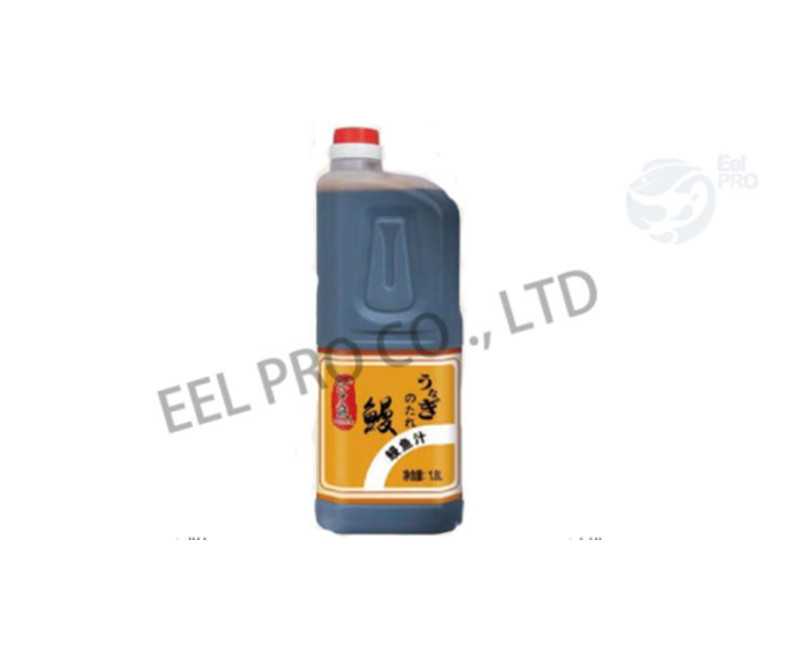
- 1 tablespoon of high-quality eel sauce (unagi tare) for drizzling
- Toasted sesame seeds for garnish
- (Optional) a sheet of nori, cut into thin strips
- A small bowl of water mixed with a splash of rice vinegar (tezu) to prevent sticking
Instructions:
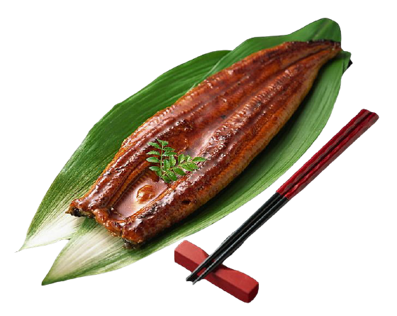
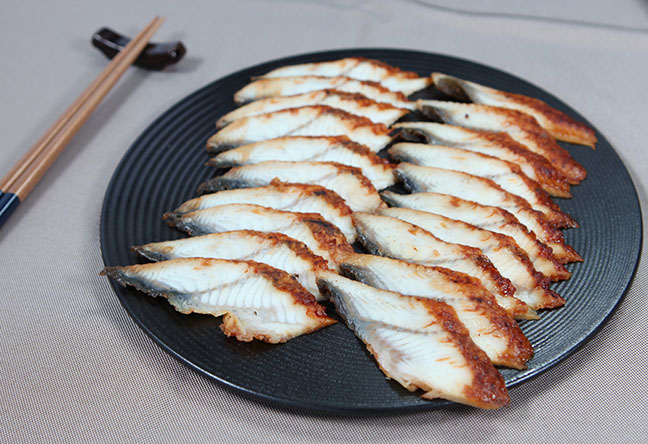
- Prepare the Unagi: Gently warm the thawed unagi fillet. You can do this by broiling it in an oven or toaster oven for 2-3 minutes until it's heated through and the glaze is slightly bubbly. Alternatively, you can microwave it for 30-45 seconds. Let it cool slightly, then slice the fillet crosswise into pieces about 1/2-inch wide and 2 inches long.
- Shape the Rice (No Mat Needed): This is the key technique. Moisten your hands with the tezu water to prevent the rice from sticking. Scoop about 2 tablespoons of sushi rice into your palm. Gently cup your hand and use the fingers of your other hand to press and form the rice into a small, oblong mound (about 2 inches long and 1 inch wide). The goal is a shape that is firm enough to hold together but not densely packed. The rice should remain light.
- Assemble the Nigiri: Take one slice of the prepared unagi. If you like, you can dab a tiny amount of wasabi on the underside (this is optional and depends on preference). Place the unagi slice, glaze-side up, on top of a rice mound. Gently press it down with your fingers to help it adhere to the rice.
- Add the Nori Strip (Optional): For a traditional look and extra flavor, wrap a thin strip of nori around the middle of the nigiri, like a belt. Moisten the end of the nori strip with a dab of water to seal it.
- Garnish and Serve: Arrange the finished unagi nigiri on a plate. Drizzle with a small amount of extra eel sauce and sprinkle with toasted sesame seeds. Serve immediately.
This simple hand-shaping method is how sushi masters have worked for generations, and it's perfectly suited for any kitchen. The result is a beautiful piece of Japanese unagi sushi.
Common Mistakes to Avoid in Your Eel Sushi Recipe
Even a simple recipe can go wrong. Based on our experience, here are the most common pitfalls when preparing an unagi sushi recipe and how to avoid them. Getting these details right ensures a professional-quality result every time.
- Mistake 1: Using Hot Rice. Assembling nigiri with hot or even warm rice is a classic error. It makes the rice difficult to handle, can slightly cook the topping, and alters the intended flavor profile.
- Solution: Always allow your seasoned sushi rice to cool completely to room temperature before shaping.
- Mistake 2: Over-squeezing the Rice. Many beginners compact the rice into a dense, hard ball. This creates a heavy, pasty texture.
- Solution: Use a light touch. The rice should be shaped just enough to hold its form. The ideal Nigirizushi has a pocket of air within the rice mound.
- Mistake 3: Drowning the Nigiri in Sauce. Unagi kabayaki already comes with a delicious glaze. Adding too much extra eel sauce overpowers the delicate flavor of the eel and rice.
- Solution: Use the extra sauce as a light drizzle for garnish, not a coating. A little goes a long way.
- Mistake 4: Using the Wrong Cut of Eel. The texture and thickness of the eel slice matter. If it's too thick, it can be overwhelming; too thin, and it gets lost.
- Solution: Slice the unagi fillet into uniform pieces about 1/2-inch thick. This provides the perfect ratio of fish to rice in every bite of your unagi nigiri recipe.
Sourcing and Plating for Maximum Impact
The final presentation of your unagi sushi is what elevates it from a simple meal to a culinary experience. This starts with sourcing the best possible ingredients. For restaurants, food service businesses, and distributors, consistency is paramount. Partnering with a reliable `unagi kabayaki manufacturer` ensures that every fillet of eel meets the same high standard of quality, flavor, and texture.
Buyer's Checklist for Premium Unagi Kabayaki
When evaluating frozen unagi kabayaki for your business, consider these factors:
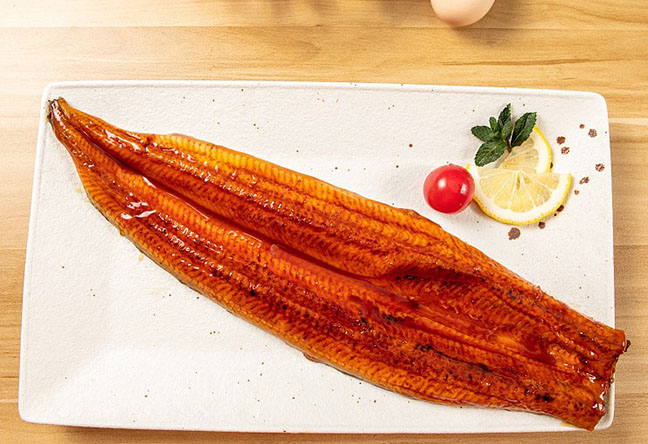
- Glaze Consistency: The kabayaki sauce should be evenly applied, glossy, and have a deep, rich color. Avoid products with a thin, watery glaze or dry patches.
- Fillet Thickness: Look for fillets that are consistently thick and meaty. This ensures a satisfying bite and a premium feel.
- Texture: High-quality unagi should be tender and flaky, never mushy or tough. It should hold its shape when sliced and heated.
- Ingredient Quality: Check the ingredient list. A great eel sauce is made from a base of high-quality soy sauce, mirin, sugar, and sake.
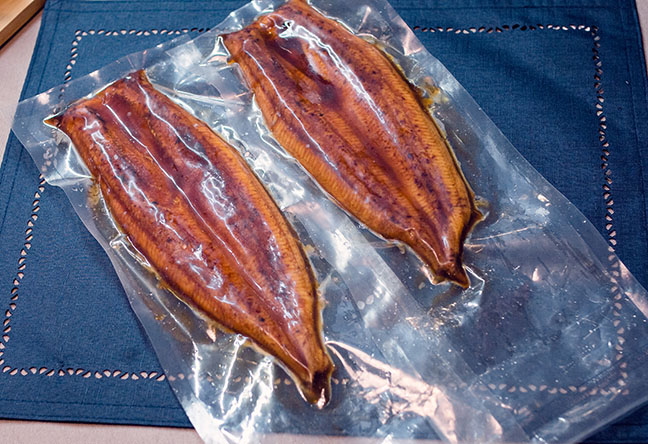
- Packaging: The product should be vacuum-sealed properly to prevent freezer burn and preserve freshness.
By focusing on these details, you can ensure that the star of your unagi sushi recipe is always top-tier. Once you have your perfectly assembled nigiri, serve it on a simple ceramic plate or a traditional wooden board (geta). The simplicity of the presentation allows the quality of the dish to speak for itself.






 WhatsApp
 sales@chinaeels.com
 +8619937922411