





Eel fish is a freshwater species prized across Asian and European cuisines for its rich, buttery texture and dense nutrient profile. For food importers, restaurant buyers, and retail sourcing managers, eel fish represents more than a menu novelty — it's a protein source with a strong nutritional story that sells itself once customers understand it. In my years working with overseas buyers at Eelpro, I've noticed the biggest objection isn't price. It's unfamiliarity. Once buyers understand the nutrition and safety facts, the conversation shifts from "why eel?" to "how much can you supply?"
This article breaks down what eel fish nutrition actually looks like, what benefits are backed by real data, what risks buyers should flag on spec sheets, and how eel fish products should be prepared and served for maximum quality retention.
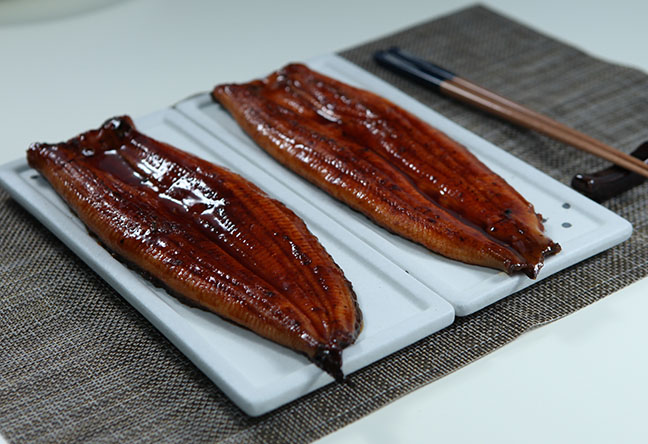
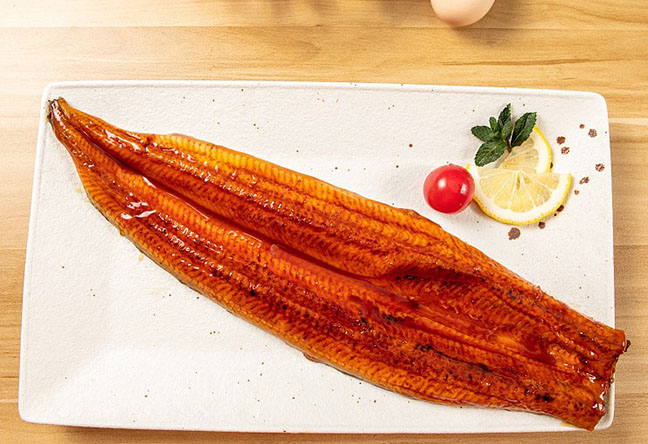
Freshwater eel is calorie-dense compared to lean white fish, which is exactly why it performs well in fine dining and premium retail. A typical 100g serving of grilled unagi kabayaki delivers:
This is why eel fish nutrition is often compared favorably to salmon and mackerel, particularly for vitamin A and B12 density. For buyers building a premium seafood category, that comparison is a useful sales angle on packaging and menu descriptions.
Retailers selling to health-focused consumers need talking points beyond "tastes good." Here's what the nutrition profile actually supports:
These are legitimate, well-documented nutrition characteristics of freshwater eel — not marketing exaggeration. That said, we always advise clients to frame benefits conservatively on packaging. "Rich in omega-3 and vitamin A" is accurate and defensible. Avoid disease-specific health claims unless your target market's food labeling authority permits them.
This is the number one question we get from new B2B partners. The short answer: yes, eel fish is safe to eat when properly farmed, processed, and cooked. But "properly" carries real weight here.
At Eelpro, our eels are raised and monitored through our own eel farm and tested through our eel lab before processing. For B2B buyers, asking a supplier "where does your eel come from and how is water quality tested" is a more useful due-diligence question than asking about price per kilo.
This distinction confuses a lot of first-time importers, so it deserves its own breakdown. "Eel" is not one uniform product category — freshwater eel (unagi), saltwater conger eel (anago), and moray eel are biologically distinct, with different texture, fat content, and culinary applications.
| Type | Fat Content | Common Use | Typical Price Tier |
|---|---|---|---|
| Freshwater eel (unagi) | High (15-25g/100g) | Kabayaki, grilled donburi, sushi | Premium |
| Saltwater conger eel (anago) | Moderate | Lighter sushi preparations | Mid-range |
| Moray eel | Variable | Regional dishes, less standardized | Niche/local |
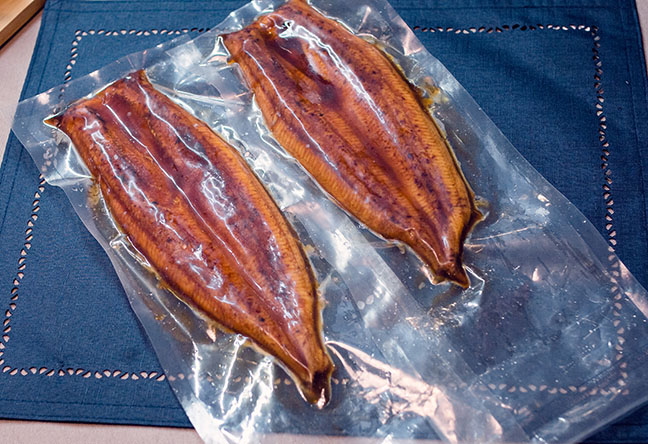
For most B2B menu and retail applications — grilled eel bowls, eel sauce pairings, frozen ready-to-heat products — freshwater eel is the category buyers actually want, even if they say "eel" generically during initial inquiries. Confirming species early avoids costly reorders.
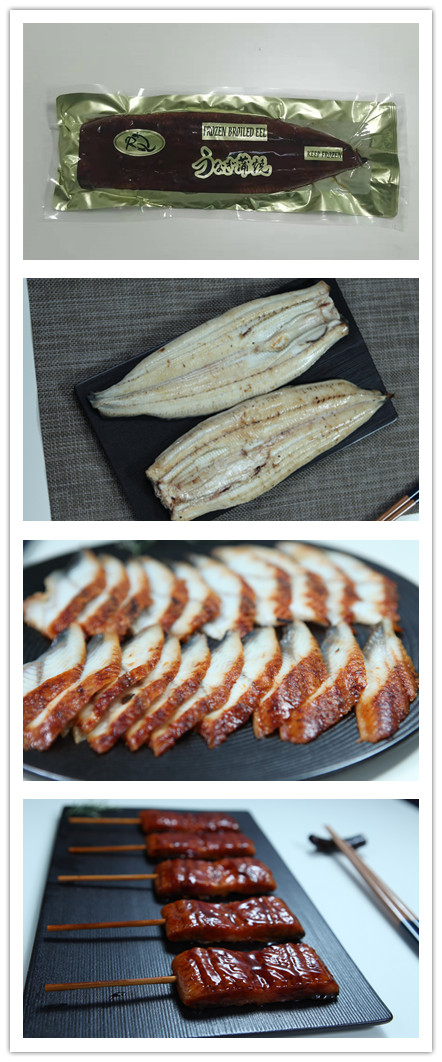
Preparation method affects both nutrition retention and food safety. Here's the standard process we recommend to restaurant and retail partners handling frozen unagi kabayaki:
For flavor pairing, our eel sauce is formulated specifically to caramelize under heat without burning — a common mistake with homemade tare that's too thin or too sweet. If your kitchen team wants a deeper dive on sauce troubleshooting, this guide on kabayaki sauce covers viscosity and reduction timing in detail.
Before placing a bulk order, run through this checklist:
Our unagi kabayaki line and frozen seafood catalog are built around these exact buyer concerns — traceable sourcing, tested nutrition data, and consistent frozen quality from farm to final plate.
Eel fish delivers high-quality protein, omega-3 fatty acids, and unusually high vitamin A and B12 levels compared to many other seafood species. It supports eye health, energy metabolism, and cardiovascular wellness when eaten as part of a balanced diet.
Yes, once properly cooked. Raw eel blood contains a toxin destroyed by heat, so eel is always served cooked — never raw. Sourcing from a monitored, lab-tested farm further reduces contamination risk.
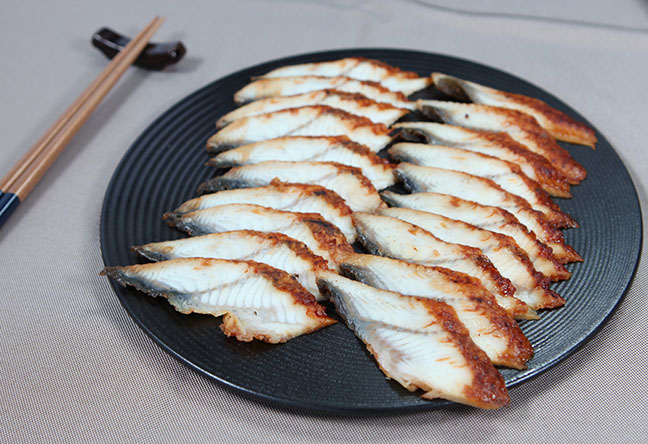
Thaw under refrigeration, grill or oven-cook at 180°C (350°F) until internal temperature hits 63°C (145°F), and glaze with eel sauce during the last few minutes of cooking for proper caramelization without burning.
Curious what else pairs well with grilled eel? Our recipe archive on eel recipes is a good next stop for kitchen teams building out a seasonal eel menu. And if you're sourcing for the first time, our frozen eel supplier page walks through specs, packaging, and MOQ details buyers ask about most.

 WhatsApp
 sales@chinaeels.com
 +8619937922411