





Unagi sauce, also known as unagi no tare, is the thick, sweet, and savory soy glaze that gives grilled eel its irresistible lacquered finish. For any restaurant, caterer, or serious home cook, mastering this sauce is about more than just taste; it's about achieving perfect consistency every single time. A great unagi sauce recipe provides a reliable foundation, but the real operational advantage comes from knowing how to prepare it in batches and store it safely without loss of quality.
As part of the Eelpro Technical Team, I've analyzed countless sauce formulations. The difference between a good sauce and a great one often lies in the balance of its four core components and the technique used to combine them. This guide provides a foundational recipe that we've refined, along with professional-grade instructions for cooling, storing, and reheating. We will cover how to make a classic homemade unagi sauce and provide critical information on safe storage to maximize its shelf life.
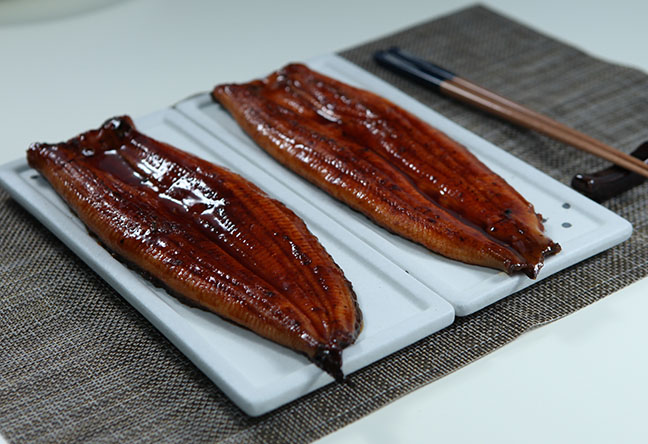
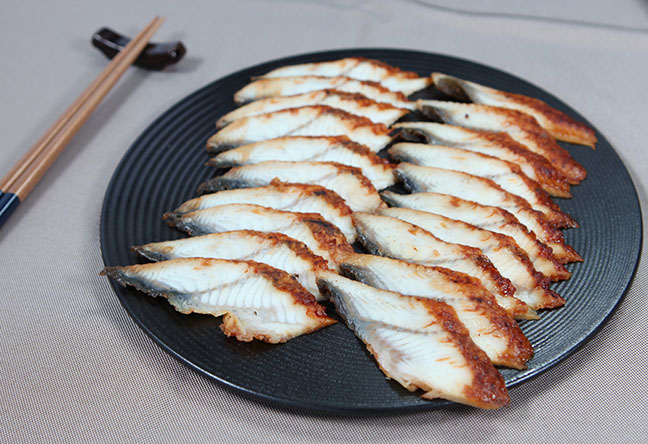
Unagi sauce is a type of Japanese glaze specifically associated with unagi kabayaki, or grilled freshwater eel. It is fundamentally a reduction of four key ingredients: soy sauce, mirin, sake, and sugar. The mixture is gently simmered, allowing the alcohol to cook off and the sugars to caramelize, resulting in a viscous, glossy liquid. This sweet soy glaze is brushed onto the eel repeatedly during the grilling process, creating layers of flavor and a beautiful sheen.
While often called Japanese eel sauce, its application extends far beyond eel. This versatile condiment can be used to glaze other grilled meats, seafood, and vegetables, or even as a finishing drizzle for rice bowls and sushi. Its rich umami flavor profile makes it a valuable component in any professional kitchen's pantry.
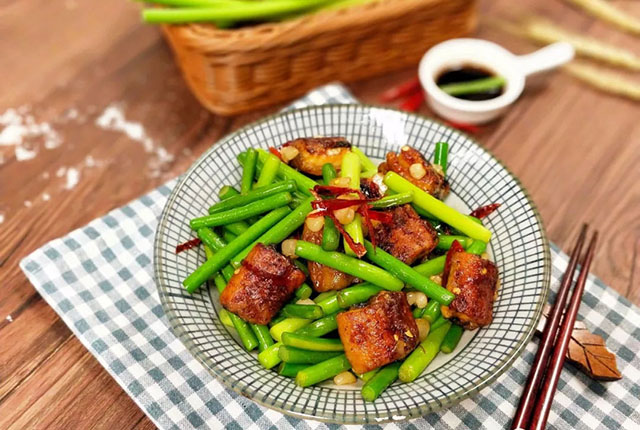
This unagi tare recipe focuses on a classic, balanced flavor profile that serves as an excellent base. It can be easily scaled up for larger batches in a commercial setting. The key is slow, patient simmering to achieve the right viscosity without scorching the sugars.
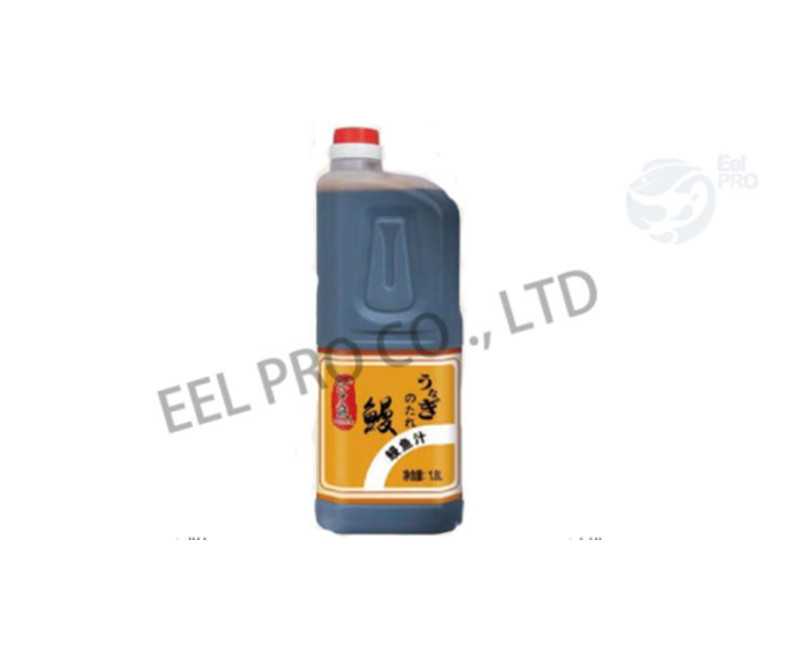
During my time developing sauce profiles, I've learned a few things. First, the type of soy sauce matters. A high-quality Japanese soy sauce will yield a more refined flavor. Second, resist the urge to rush the simmering process by increasing the heat. The slow reduction is what develops the deep, complex flavors. If your sauce gets too thick, you can stir in a teaspoon of water or sake at a time to thin it out. For an even more authentic flavor, some traditional recipes call for adding grilled eel bones to the simmering liquid, which infuses a deeper umami character. For a faster route to perfection, our ready-to-use eel sauce product page offers a commercially consistent alternative.
For any food business, the decision to make a sauce in-house or purchase it ready-made involves a trade-off between customization, cost, and consistency. While a homemade unagi sauce recipe offers creative control, a commercial product ensures uniformity across multiple locations and busy service periods. Here’s a direct comparison for professional buyers.
| Factor | Homemade Unagi Sauce | Commercial Unagi Sauce (e.g., Eelpro) |
|---|---|---|
| Flavor Consistency | Can vary based on ingredient brands, cook's technique, and simmer time. | Guaranteed consistency in every batch, ensuring the same customer experience every time. |
| Labor Cost | Requires staff time for preparation, simmering, cooling, and cleanup. | Zero preparation time. Ready to use directly from the bottle, freeing up kitchen staff. |
| Ingredient Sourcing | Requires purchasing and storing four separate ingredients. | A single SKU simplifies inventory management and ordering. |
| Food Safety & Shelf Life | Shorter shelf life (1-2 months refrigerated). Requires strict labeling and handling protocols. | Long, stable shelf life at ambient temperatures before opening. Manufactured in a controlled environment. |
| Customization | High. Chefs can adjust sweetness, saltiness, or add unique ingredients. | Low. The flavor profile is fixed, though it can be used as a base for further customization. |
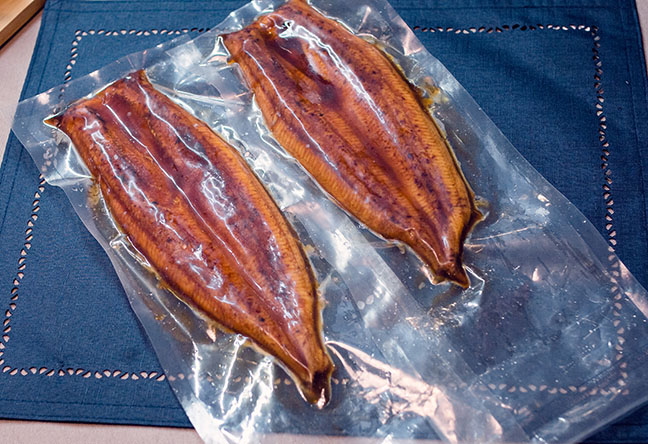
The choice depends on your business model. A boutique restaurant might prioritize a signature homemade unagi sauce, while a larger chain or catering operation would benefit from the reliability and efficiency of a commercial product, especially when serving high volumes of unagi kabayaki product.
Proper storage is essential for both food safety and quality. This is especially true for a sugar-rich sauce like this one. Following the correct cooling and storage procedures prevents bacterial growth and preserves the intended flavor of your Japanese eel sauce.
Never transfer hot sauce directly into a sealed container and place it in the refrigerator. This can create condensation, which dilutes the sauce and can promote bacterial growth. More importantly, it raises the ambient temperature of the refrigerator, potentially compromising the safety of other foods.
Once cooled, transfer the sauce to a clean, airtight container. A glass jar or a squeeze bottle works well.
Yes, you can absolutely freeze unagi sauce, which is an excellent strategy for long-term storage and batch preparation.
Is unagi sauce the same as teriyaki sauce?
They are similar but not identical. Both are sweet soy glazes. However, a traditional unagi tare recipe is typically thicker and sweeter, made with sake and mirin. Teriyaki sauce often includes ginger and garlic and may have a thinner consistency.
Can I make this unagi sauce recipe without alcohol?
Yes. While sake and mirin add authentic depth, you can substitute them. For a non-alcoholic version, replace the sake and mirin with 3/4 cup of water and an extra 2 tablespoons of sugar. The final taste will be simpler but still delicious.
What if my sauce doesn't thicken?
If your sauce is too thin after 30 minutes, it's likely your simmer was too low. Simply increase the heat slightly and continue to simmer, watching it closely until it reduces to the desired consistency. Remember, it will thicken significantly upon cooling. If you've made a mistake, our guide to fixing kabayaki sauce flavor mistakes can help you troubleshoot.
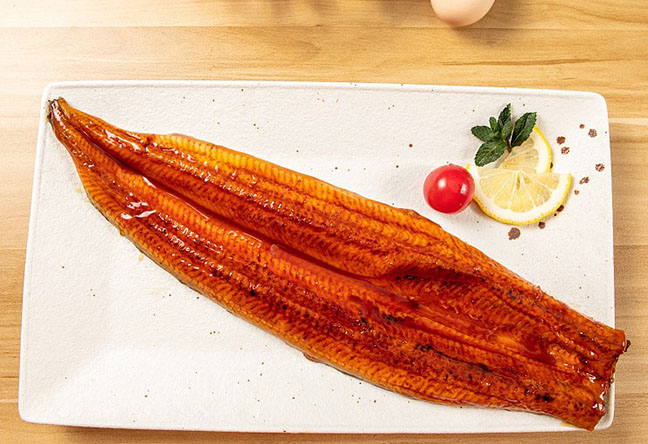
Now that you have a batch of perfect homemade unagi sauce, its uses are endless. It is the essential finishing touch for grilled unagi kabayaki eel, but don't stop there. Try it as a glaze for grilled chicken skewers (yakitori), a sauce for salmon, or a drizzle over a simple bowl of steamed rice and vegetables. It adds a professional touch to many dishes, instantly boosting their flavor profile.
 WhatsApp
 sales@chinaeels.com
 +8619937922411