





Eel sauce without mirin can still be glossy, sweet, and deeply savory. The key is balance. If you remove mirin without replacing its sweetness, acidity, and gentle fermented character, the sauce can taste flat, sharp, or overly salty.
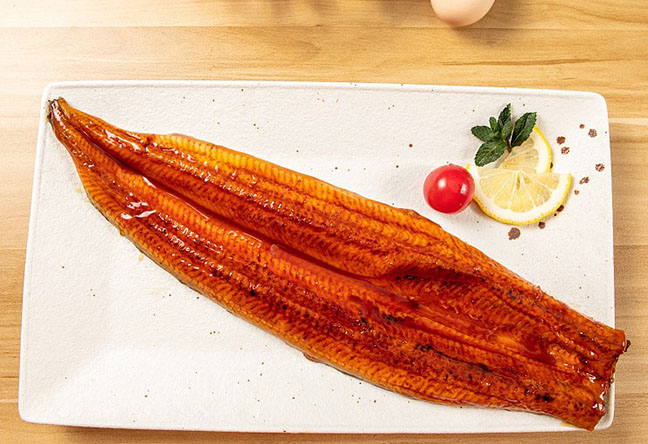
Think of a warm bowl of rice topped with tender grilled eel and a dark glaze catching the light. That final brush of sauce should pull the dish together, not bury it under syrupy sweetness or excess salt. This guide compares practical substitutes for home kitchens and foodservice menus, including options for an eel sauce without alcohol.
Eel sauce without mirin is a sweet-savory glaze made without traditional mirin, the Japanese seasoning wine often used to add sweetness, mild acidity, and a rounded fermented note. You can learn more about mirin as a cooking ingredient, but its role in unagi sauce is straightforward: it softens salty soy sauce and helps create a polished glaze.
When mirin is unavailable, unsuitable, or restricted, the replacement needs to do more than add sugar. It should support the sauce’s overall structure:
The best choice depends on the dish. A honey-based glaze can work beautifully on grilled kabayaki, while a rice vinegar blend may suit sushi rolls better. A non-alcoholic mirin-style seasoning can offer the closest overall impression when available.
There is no single perfect mirin substitute. Each option shifts the sauce in a slightly different direction. Use this comparison before you start mixing.
| Substitute | Flavor effect | Sweetness | Acidity | Alcohol | Best use |
|---|---|---|---|---|---|
| Rice vinegar with sugar | Clean, light, slightly sharp | Adjustable | Noticeable | None | Sushi, rice bowls, and home cooking |
| Honey with water | Round, floral, rich | High | Low | None | Grilled eel and roasted vegetables |
| Brown sugar with water | Dark, caramel-like, full | High | Low | None | Strong glazes and barbecue-style menus |
| Apple juice with rice vinegar | Fruity, mild, gently tart | Medium | Medium | None | Family meals and lighter seafood dishes |
| Non-alcoholic mirin-style seasoning | Closest to a sweet Japanese seasoning | Medium to high | Low to medium | Check the label | Foodservice consistency and sauce production |
| Sake with sugar | Dry, fermented, more traditional | Adjustable | Low | Yes | Adult menus where alcohol is acceptable |
Rice vinegar mixed with a sweetener is one of the most accessible options. It produces a mirin-free eel sauce with a clean, fresh edge. Its acidity can be especially useful when the sauce is served with fatty grilled eel, avocado, or mayonnaise-based sushi fillings.
Use it with restraint. Too much vinegar can make the glaze taste pickled rather than polished. Add it gradually, then taste once the sweetener has dissolved. For a milder result, add a little water instead of simply increasing the sugar.
This is also a practical unagi sauce substitute for small restaurant kitchens because the ingredients are familiar and easy to label. It works well on rice bowls, sushi rolls, and vegetables brushed with sauce just before serving. For more serving ideas, see these eel sauce storage tips.
Honey gives eel sauce without mirin a soft sweetness and an attractive shine. Its flavor is warmer than white sugar, which can make grilled eel taste especially rich. It also pairs well with roasted mushrooms, eggplant, carrots, and chicken.
Because honey is naturally sweet, begin with a small amount. The sauce should lightly coat the back of a spoon rather than cling to the food like candy. Keep the pan over low heat while combining the ingredients. High heat can darken honey quickly and leave a bitter aftertaste.
Honey is a useful option for an eel sauce without alcohol. However, it may not suit every customer or menu. Some diners avoid honey for dietary reasons, while others may prefer a neutral sweetener for more consistent batch flavor.
Brown sugar adds molasses-like depth and a darker color. It is a good match for grilled eel with a strong char, especially when the dish calls for a more pronounced glaze. The finished sauce can taste heavier than one made with a lighter seasoning, so serve it with plain rice and fresh garnishes.
For a smoother sauce, dissolve the sugar fully before reducing it. Taste for salt before adding more soy sauce. Brown sugar can initially make the glaze seem less salty, but the salt becomes more noticeable as water cooks away.
Avoid the common mistake: do not judge the final flavor while the sauce is very hot. Heat can mute sweetness and make acidity seem less pronounced. Let a small spoonful cool briefly before making the final adjustment.
Apple juice adds natural sweetness and a mild fruit note. A small amount of rice vinegar keeps the result from becoming syrupy. This combination creates an approachable Japanese eel sauce alternative for children’s meals, home cooking, and lighter seafood plates.
Choose a juice with a simple flavor. Strongly spiced or highly acidic juice can pull the sauce away from unagi’s savory character. Apple juice also contains more water than concentrated sweeteners, so the glaze may need a longer reduction to reach the desired coating texture.
For foodservice, test this option with the exact eel and side dishes on the menu. It may taste pleasant with plain rice but overly fruity alongside pickles or citrus-forward vegetables.
The best eel sauce without mirin depends on what the customer is likely to notice first. Use the following guide when planning a dish or adapting a menu.
Our team at Eelpro Co., LTD works with frozen unagi kabayaki, eel sauce, freshwater eels, and frozen seafood. When reviewing a glaze for a seafood application, taste it with the finished protein rather than on its own. Eel fat, char, rice, and garnish can all change how sweetness and acidity are perceived.
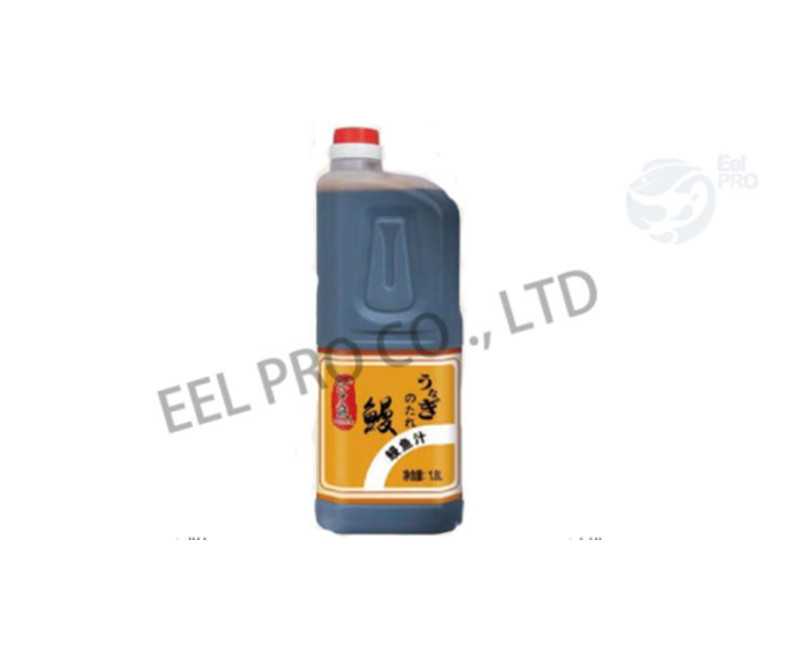
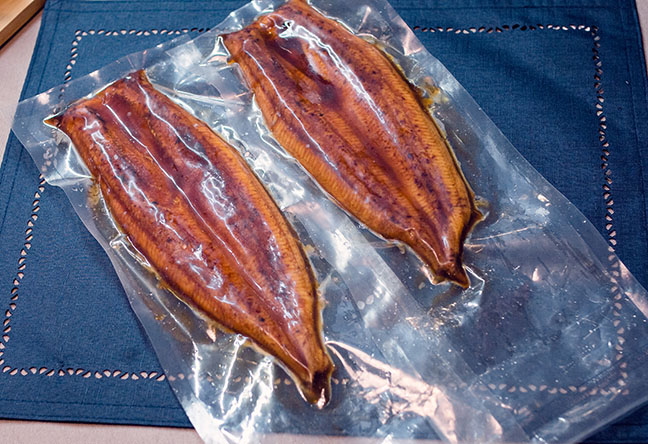
For buyers comparing products, our eel sauce product range can serve as a reference point for the color, body, and savory direction commonly associated with unagi tare. You can also compare serving formats through our unagi kabayaki products.
To make eel sauce without mirin, build the sauce in layers instead of adding every ingredient at once. The process is flexible, and tasting as you go gives you better control.
Do not boil the glaze aggressively. A rapid boil can reduce the sauce too quickly, concentrate the salt, and create a harsh cooked-sugar note. Slow reduction gives you more time to correct the balance.
If the sauce is too salty, add water or unsweetened juice in small increments. If it is too sweet, add a little rice vinegar and soy sauce. If it tastes thin, continue reducing instead of adding a large amount of sugar.

You can use rice vinegar with sugar, honey, brown sugar, apple juice with rice vinegar, or a non-alcoholic mirin-style seasoning. The right choice depends on the result you want. Rice vinegar adds brightness, honey adds gloss, brown sugar adds depth, and apple juice contributes a gentle fruity note.
Combine soy sauce with a sweetener, add a measured amount of liquid, and adjust the acidity with rice vinegar. Warm the mixture over low heat until smooth, then reduce gently until glossy. Taste the cooled sauce before serving because the balance is easier to judge once it has lost some heat.
A non-alcoholic mirin-style seasoning can give the closest overall impression when its label and flavor profile suit the recipe. For a pantry-friendly option, honey often works especially well with grilled unagi because it adds body and shine without alcohol. Rice vinegar with sugar is generally better suited to sushi and lighter rice dishes.
Yes. Use honey, brown sugar, rice vinegar, apple juice, or a non-alcoholic seasoning. Check labels carefully, especially for prepared cooking sauces. Some products described as “mirin-style” may still contain alcohol or other ingredients that do not fit your menu requirements.
Not always. Mirin contributes a distinctive balance of sweetness, acidity, and fermented flavor. A substitute can still create an excellent glaze, but every option brings its own character. The goal is not to hide the difference, but to choose a profile that supports the eel, rice, and garnish.
Choose the substitute based on use, not sweetness alone. For a traditional-style foodservice glaze, test a non-alcoholic mirin-style seasoning. For a bright sushi topping, use rice vinegar with sugar. For grilled eel, honey or brown sugar can create a satisfying finish. For a lighter household version, apple juice with a little vinegar is easy to enjoy.
Keep the sauce slightly thinner in the pan than you want it on the plate. It will thicken as it cools. Apply a light coating first, then add more only if the eel needs it. This keeps the fish visible and lets its texture remain the focus.
For more menu inspiration, explore our guide to kabayaki sauce flavor and our practical eel noodle soup recipe. Which substitute do you prefer in your kitchen: honey, brown sugar, rice vinegar, or a non-alcoholic seasoning? Share your choice and the dish you paired it with.
 WhatsApp
 sales@chinaeels.com
 +8619937922411