





The first time I simmered a batch of unagi tare, the kitchen filled with a dark, glossy sweetness that promised sushi-bar magic. Within two days, though, that precious jar in the fridge turned cloudy. I’d missed one tiny step. If you’ve ever asked how to make eel sauce at home without it spoiling too soon, you’re in exactly the right place. The secret isn’t just the ingredients—it’s everything that happens after you turn off the stove.
Let’s clear this up right away. “How to make eel sauce at home” isn’t just a recipe hunt. It’s the whole journey—from measuring soy sauce, mirin, sugar, and sake to whisking them into a syrupy glaze, and then figuring out how to keep that liquid gold fresh for weeks. Unlike store-bought versions, a homemade unagi sauce skips industrial preservatives. That means flavor wins, but shelf life becomes a real race against time. I’ve learned this firsthand in my own kitchen, and now I treat storage as the most important ingredient of all.
If you’ve ever grabbed a bottle of commercial eel sauce, you’ll notice the texture is velvety and the taste incredibly consistent. Homemade sauce can match that—even surpass it—if you handle cooling, containers, and temperature with care. The following tips come from years of home cooking and plenty of happy meals with grilled unagi kabayaki.
We’re not diving into a full recipe today—there’s a great one in our kabayaki sauce recipe: fix flavor mistakes guide—but you need to know the basics. The classic ratio is 1 part soy sauce, 1 part mirin, ½ part sugar, and a splash of sake. Simmer until the mixture coats the back of a spoon. That’s it. The beauty of this sauce is how it clings to grilled eel, drizzles over rice bowls, and even works as a quick dip for sushi rolls.
But here’s the catch: that sugar content makes spoilage easy if you’re not careful. A homemade sauce hasn’t had its pH adjusted for shelf stability, so you have to become the guardian of its freshness. That’s exactly what we’re covering next.
The moment you turn off the heat, bacteria aren’t your biggest enemy yet. The real danger is the temperature “danger zone” between 40°F (4°C) and 140°F (60°C). If you let the hot sauce sit on the counter for two hours, you’re rolling out the welcome mat for microbes. I always pour my finished unagi sauce into a shallow metal bowl and set that bowl inside a larger one filled with ice water. Stir occasionally. Within 20 minutes, the sauce drops to room temperature. Then it goes straight into the fridge, no cap yet.
A common mistake? Pouring boiling-hot sauce directly into a plastic container. The heat can warp the container and leach chemicals, plus the steam creates condensation that dilutes your hard-earned glaze later. Use a heat-proof glass measuring cup as a middle step, then transfer once cool.
Glass jars with airtight lids are your best friend. I use small 4-ounce mason jars—perfect for a week’s worth of drizzling. Always sterilize jars by boiling them for 10 minutes or running them through a hot dishwasher cycle. Fill them while both sauce and jar are cool. Leave ½ inch of headspace for expansion if you plan to freeze later.
Avoid metal containers for long-term storage. The acidity in the soy sauce can react with certain metals, giving your homemade sushi sauce an off taste. If you’re in a pinch, a ceramic ramekin covered tightly with plastic wrap works for a day or two, but it’s not a long-term solution.
Here’s the number you’re after: homemade unagi sauce keeps safely in the fridge for up to 2 weeks. After that, the flavor starts to fade and the risk of spoilage climbs. I’ve pushed it to three weeks once—the sauce was fine, but the glaze had lost some of its shine. Trust your senses: if the sauce smells yeasty, looks cloudy despite stirring, or has any fizz to it, toss it. No recipe is worth a stomach ache.
To maximize those two weeks, always use a clean, dry spoon every time you scoop some out. Double-dipping introduces bacteria from food or fingers. I keep a dedicated sauce spoon near my unagi stash to avoid cross-contamination.
Yes, and it reheats beautifully. Frozen eel sauce lasts up to 3 months without losing its essential umami punch. The sugar acts as a natural cryoprotectant, so the texture stays silky after thawing. I like to freeze portions in an ice cube tray. Once solid, pop the cubes into a zip-top bag. That way, you can grab exactly one cube—about 2 tablespoons—for a quick dinner of eel rice bowl toppings.
When you’re ready to use it, transfer a cube to the fridge overnight. In a rush? Use the defrost setting on your microwave in 10-second bursts. But never refreeze sauce that’s already been thawed—the quality drops and the safety window shrinks too much.
If you’re running a small kitchen and thinking of making big batches of homemade sushi sauce, apply the same rules but scale up. Use 1-liter glass bottles and refrigerate immediately. For even longer storage, consider pressure canning—but that’s a whole different beast and requires precise acidity levels. The simpler, safer route for restaurants is to order premium, shelf-stable eel sauce from Eelpro, which keeps unopened for months. Then your homemade version becomes the finishing touch for specials.
After a week in the fridge, your sauce might look a bit thick and jelled. That’s normal—the sugar and proteins have simply set tight. Gently reheat it in a small saucepan over low heat, stirring constantly, for 2-3 minutes. Add a teaspoon of water if it’s too sticky, but never dump in liquid straight from cold; let it warm gradually. A short reheat not only loosens the texture but also kills any surface microbes that might have found their way in.
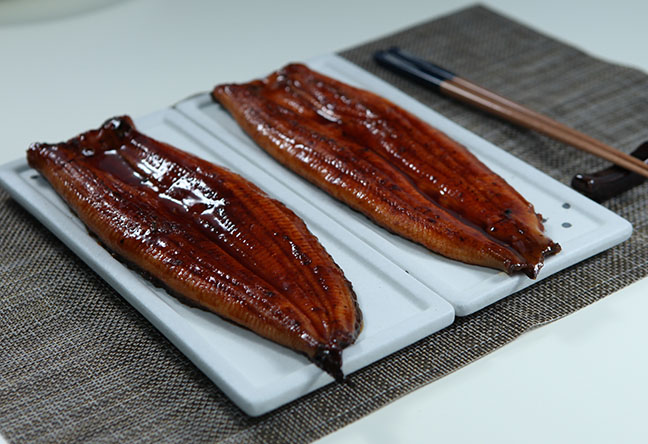
Once revived, the sauce tastes almost as bright as day one. I often brush it over grilled unagi kabayaki manufacturer-grade eel that I keep in my freezer, turning an ordinary weeknight into a festival.
When stored in a sterilized, airtight glass container and always scooped with a clean spoon, homemade eel sauce lasts 10 to 14 days in the refrigerator. After that, even if it looks okay, I wouldn’t risk using it on expensive seafood.
Absolutely. Freeze in small portions for up to 3 months. Ice cube trays work best. Thaw overnight in the fridge and reheat gently on the stove. Do not refreeze once thawed.
Cool rapidly, never leave it out for more than 2 hours, use glass jars with secure lids, and keep it deep in the fridge (not the door, where temperatures fluctuate). Label with the date—you won’t remember in two weeks.
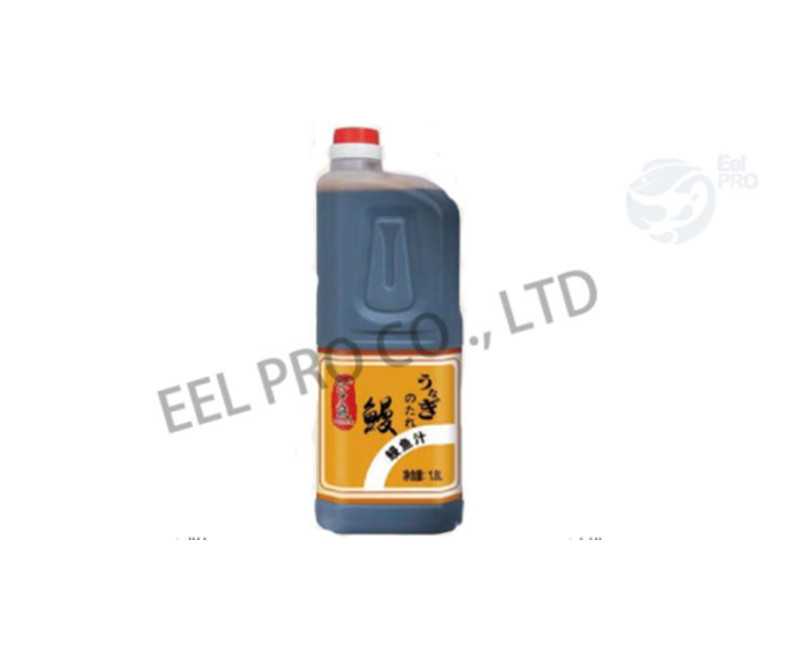
I once made a beautiful batch of unagi sauce and, in a rush, capped it while still slightly warm. The next day, the lid was under vacuum and the sauce had absorbed that “fridge smell.” Lesson learned: patience during cooling pays off. Treat your sauce like the precious concentrate it is. And when you want that unmistakable, restaurant-level gloss without any hassle? That’s when a bottle of Eelpro’s unagi tare becomes the savvy shortcut. Keep one in your pantry and never face an impromptu sushi night empty-handed.
Now, over to you. Do you have a secret ingredient that makes your homemade unagi sauce last even longer? Drop your trick in the comments—I read every one. And if you’re craving more eel inspiration, don’t miss our eel recipes: 10 flavor pairings for menus for ideas that go far beyond the rice bowl.
Written by Chef Lin, Culinary Consultant at Eelpro Co., LTD—bringing restaurant secrets into your home kitchen since 2012.


 WhatsApp
 sales@chinaeels.com
 +8619937922411