





Unagi roll ingredients are deceptively simple. Grill sweet eel, wrap it in seasoned rice, and roll it tight with crisp seaweed. But one wrong bite can send a diner into anaphylactic shock. That’s the tightrope sushi chefs walk every service. A single roll hides multiple common allergens. And if your supplier swaps freshwater eel for saltwater anago without telling you, the texture collapses. Let’s break down exactly what goes inside, what poses a risk, and how to pivot without losing that signature smoky-sweet flavor.
Before we talk substitutes, you need a baseline. A traditional unagi roll isn't just random fish and rice. It’s a balance of fat, acid, and umami. Here are the non-negotiables you’ll find in almost every professional kitchen.
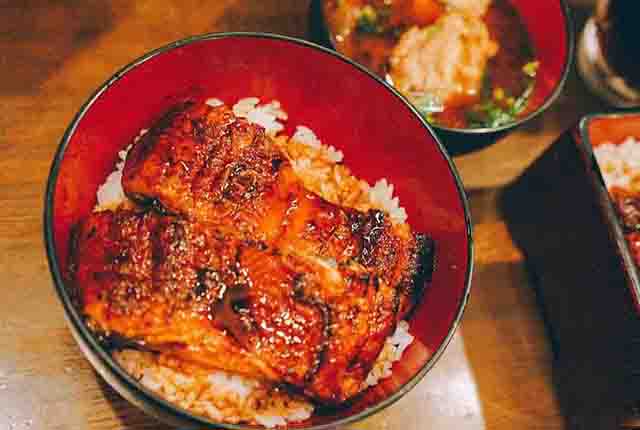
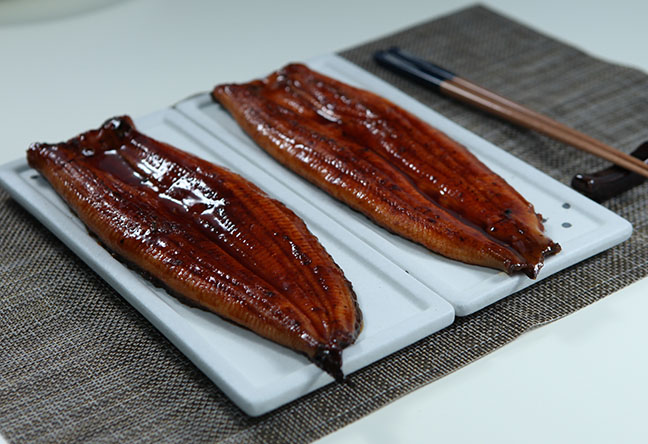
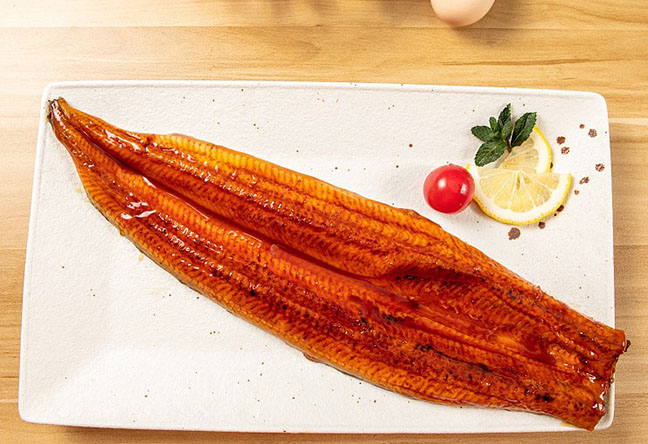
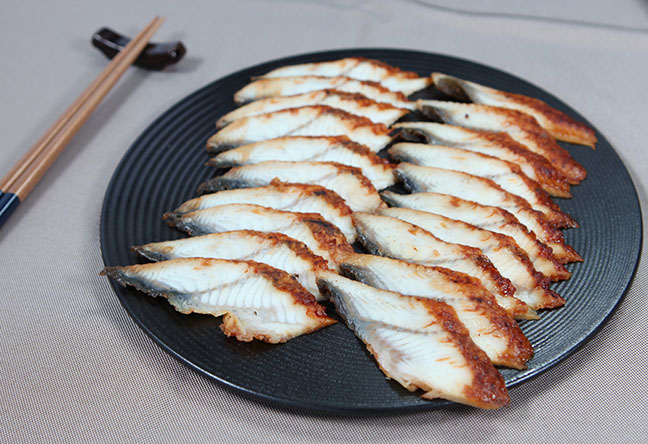
This is the star. We’re talking about freshwater eel, butterflied, skewered, steamed, and glazed with a sweet soy-based sauce. The flesh must be tender, with a high fat content that melts under a broiler or torch. You cannot fake this with a lean white fish. The unagi sushi ingredients list starts and ends with the quality of this fillet. If the eel is mushy, the roll is ruined. We supply unagi kabayaki that holds its structure during torching—critical for maintaining the integrity of the roll when cut.
The bed of the roll. Short-grain Japanese rice, seasoned with a mixture of rice vinegar, sugar, and salt. The rice must be sticky enough to cling to the nori but not gummy. Temperature matters here. Rice that is too hot will wilt the nori instantly; too cold, and it becomes hard and loses its sweet tang. Aim for body temperature when spreading it on the sheet.
The wrapper. High-grade nori is jet black, not greenish, and shatters with a crisp snap. Humidity is the enemy. Once nori absorbs moisture from the rice, it turns into a chewy, leathery mess. In a busy kitchen, keep the sheets in a sealed container with a desiccant pack until the second you roll.
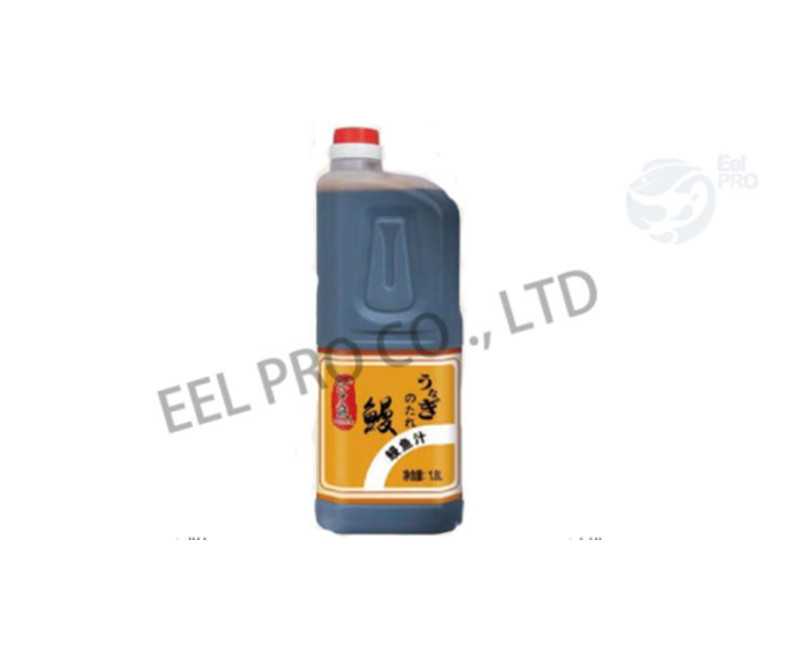
The glaze. A reduction of soy sauce, mirin, sugar, and sake, often enriched by dipping the grilled eel back into the pot repeatedly. This is the sticky, umami bomb that defines the roll. A good tare is thick enough to coat the back of a spoon. We produce a concentrated unagi tare that doesn't break when heated—check out our eel sauce product page for specs on viscosity and brix levels.
These are the classic sushi roll fillings. Cucumber provides a watery crunch that cuts through the fatty eel. Avocado adds creaminess. Both must be cut precisely—julienne the cucumber to avoid bulky bites, and slice the avocado just before service to prevent oxidation. Browning avocado is a visual cue of poor kitchen discipline.
This is the section your kitchen staff needs to memorize. "Which unagi roll ingredients contain allergens?" is the most common question we get from foodservice buyers. The answer: almost all of them, unless you intervene.
Soy sauce is the obvious culprit. But it goes deeper. Traditional unagi tare relies on standard soy sauce, which contains wheat. This makes the entire eel roll ingredients list unsafe for celiac diners. Even if you swap the dipping soy sauce for tamari, the eel itself has already been basted in wheat-laden sauce during the kabayaki process. You must source a gluten-free tare formulation or a specific tamari-based basting sauce from the start.
Unagi is a fish. This seems obvious, but confusion arises because some menus mislabel saltwater eel (anago) as unagi. Both are allergens. However, the bigger risk is cross-contamination. If you're frying shrimp tempura in the same oil where you prep unagi, you’re passing shellfish proteins onto a fish dish. Dedicated fryers and separate prep surfaces are non-negotiable.
Often overlooked. Many chefs sprinkle toasted sesame seeds inside the roll or on top for texture. A diner with a sesame allergy can't just pick them off—the oils linger on the rice. If you list the unagi maki components on the menu, sesame must be explicitly declared, even as a garnish.
Some fusion rolls layer a thin strip of tamago (sweet omelet) alongside the eel. Egg is a top-8 allergen. It’s not traditional in a standard unakyu maki, but it’s common enough in specialty rolls that you need to verify the spec sheet from your supplier.
Sometimes you can't use the classic build. Maybe you're designing a low-mercury menu, or you're catering to a gluten-free crowd. "What can replace common unagi roll ingredients?" is a question that separates adaptable kitchens from rigid ones. Here’s how to swap strategically.
If you must avoid unagi, don't reach for the cheapest white fish. The magic of unagi is the oily, rich texture. Grilled mackerel (saba) comes closest in terms of fat content and bold flavor. It stands up to the sweet tare. Smoked trout is another solid option, offering that same flaky-but-moist mouthfeel. But let’s be clear: nothing tastes exactly like unagi. If your diner is simply avoiding freshwater eel due to sustainability concerns, look for a frozen eel supplier with transparent aquaculture practices rather than switching species.
This is the easiest fix with the biggest impact. A gluten-free unagi tare made with tamari instead of soy sauce retains the deep umami without the wheat. The key is maintaining the sugar balance. Coconut aminos are too sweet and thin; they won't caramelize properly under a broiler. Stick to a high-quality tamari and reduce it slowly with mirin and sugar until it coats a spoon. We’ve written a detailed guide on fixing flavor mistakes in kabayaki sauce recipe that walks through this exact process.
Nori itself is usually soy-free and gluten-free, but some flavored nori sheets contain soy sauce in the seasoning. Check the label. If you need to skip seaweed entirely due to iodine concerns or texture preferences, a soy paper wrap (mamenori) works. It’s pliable, colorful, and neutral in taste. But it lacks the mineral punch of nori, so you’ll need to season the rice slightly more aggressively.
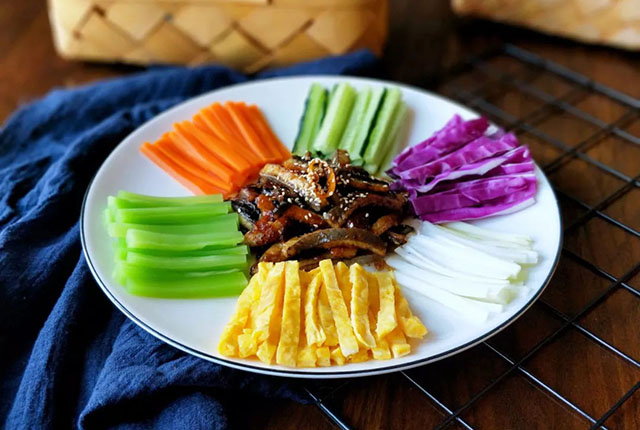
If cucumber is out of season or watery, use blanched asparagus for a similar snap. If avocado triggers a latex-fruit allergy, a swipe of thick coconut cream mixed with a pinch of salt can mimic that fatty mouthfeel. It’s not a perfect visual match, but it prevents the roll from drying out. Radish sprouts (kaiware) add a peppery bite that complements the sweet eel beautifully if you want to skip the creamy element altogether.
When you’re sourcing unagi sushi ingredients at scale, consistency kills your food cost if it’s wrong. A fillet that’s 10 grams lighter than spec means you’re overpaying across a thousand rolls.
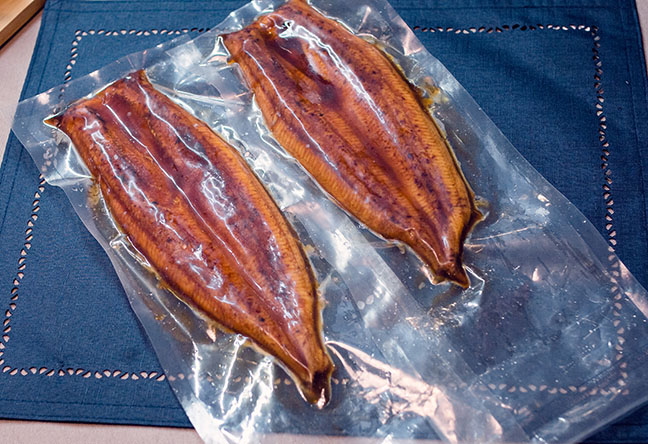
Look for vacuum-sealed, IQF-frozen fillets. The standard size for rolls is 30-40g per piece, pre-sauced with 10-15% tare by weight. The eel should be fully cooked, requiring only a quick pass through a salamander or oven at 200°C (392°F) for 3-4 minutes to caramelize the glaze. Avoid fillets with visible bruising or blood spots—this indicates poor pre-slaughter handling. Our unagi eel farm protocols ensure clean fillets with consistent marbling.
For sushi rice, demand a polishing ratio of at least 90% (meaning 10% of the bran is removed). This ensures the grain absorbs the vinegar mixture without becoming mushy. For nori, specify Grade A (Gold) sheets with a thickness of roughly 0.2mm. Thinner nori tears when you roll; thicker nori tastes like chewing paper.
Frozen unagi must be kept at -18°C (0°F) or below. Temperature abuse shows up as large ice crystals inside the vacuum pack or a dull, faded color on the glaze. If the sauce looks separated or grainy upon thawing, the emulsion broke during a freeze-thaw cycle. Reject that shipment. We monitor cold chain from our eel lab straight to your dock.
Once you lock down your unagi maki components, you can spin them into a dozen variations. The core is always the same: rice, nori, eel, and sauce. From there, you tweak the fillings.
Try an inside-out roll (rice on the outside) with a sprinkle of furikake for texture. Or a dragon roll variant where thin slices of avocado drape over the top like scales, torched slightly for color. The sweet tare already does the heavy lifting on flavor; your job is to manage texture contrast. Crunchy, creamy, and chewy elements must all be present in a single cross-section.
For more ideas on pairing eel with other flavors, our eel recipes: 10 flavor pairings for menus guide offers some unexpected combinations that go beyond cucumber and avocado.
A classic unagi roll contains four core components: broiled freshwater eel (unagi kabayaki) glazed with sweet tare sauce, seasoned sushi rice, a sheet of dried nori seaweed, and typically cucumber and avocado as internal fillings. Some variations include sesame seeds or a drizzle of extra eel sauce on top. The eel sushi roll recipe: make unagi rolls page shows the exact assembly sequence we recommend.
For the eel protein, grilled mackerel or smoked trout are the best texture matches. For the sauce, use a tamari-based reduction to eliminate wheat. For the wrap, soy paper replaces nori for those with seaweed sensitivities. For fillings, blanched asparagus substitutes for cucumber, and coconut cream can stand in for avocado in a pinch.
The major allergens in a standard unagi roll are fish (eel), wheat/gluten (soy sauce in tare), and often sesame. Some recipes introduce egg (tamago) as well. The eel itself is a top allergen, and cross-contamination with shellfish is a risk in kitchens that fry shrimp tempura. Always verify if your tare is brewed with wheat.
Your unagi roll is only as good as your weakest ingredient. If the nori is stale, the roll tastes like a damp basement. If the eel is thin and overcooked, no amount of tare can save it. Focus on the frozen unagi kabayaki as your anchor product—source it from a unagi kabayaki eel supplier who prioritizes fillet thickness and sauce adhesion. Get the rice seasoning right. Declare your allergens boldly. And when you need to swap something out, don't just remove it—replace it with intention. The difference between a good roll and a great one is the discipline to treat every component as essential, even the substitutes.
For more technical guides on eel handling and sauce preparation, read our breakdown of kabayaki sauce or learn how to cook eel: easy methods and tips for consistent results in a commercial kitchen.
 WhatsApp
 sales@chinaeels.com
 +8619937922411