





Have cold rice in the refrigerator and hungry guests waiting? Unagi fried rice turns leftover rice and prepared eel into a smoky, savory meal without much prep or waste.
The method is straightforward: combine cooked rice, warmed eel, a few vegetables, egg, and a little sauce in a hot pan. The finished dish is comforting yet distinctive. Sweet kabayaki glaze seasons the rice, tender eel brings a rich seafood flavor, and crisp vegetables add freshness to every bite.
For home cooks, it is an easy way to use leftovers. For foodservice teams, it can work as a flexible special, lunch bowl, or quick staff meal. You do not need a long ingredient list; good preparation and heat control matter most.
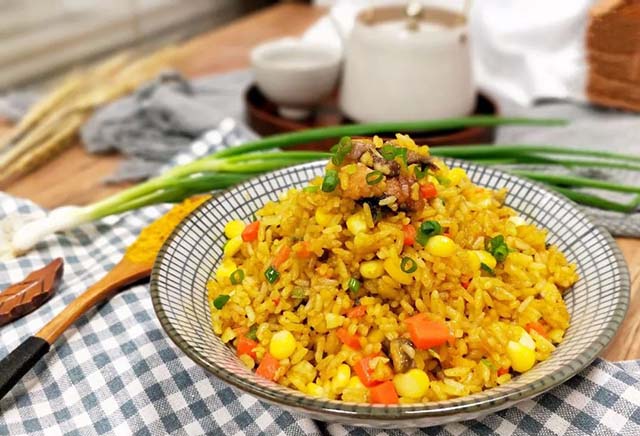
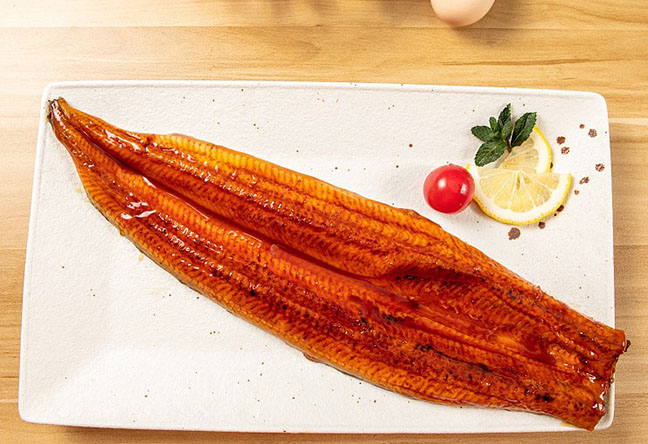
Unagi fried rice is fried rice made with Japanese-style grilled freshwater eel, often prepared as unagi kabayaki. The eel is typically coated in a sweet-savory glaze before serving, so it contributes both flavor and protein to the dish.
Compared with ordinary egg fried rice, eel fried rice has a deeper flavor and a softer, richer finish. Unlike shrimp or squid versions of seafood fried rice, eel offers a tender texture with a lightly caramelized sauce profile. It also pairs well with simple pantry ingredients, making it useful when speed matters.
The best version relies on contrast:
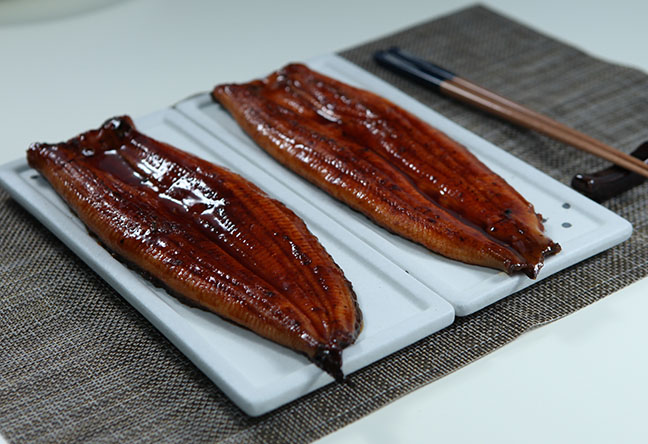
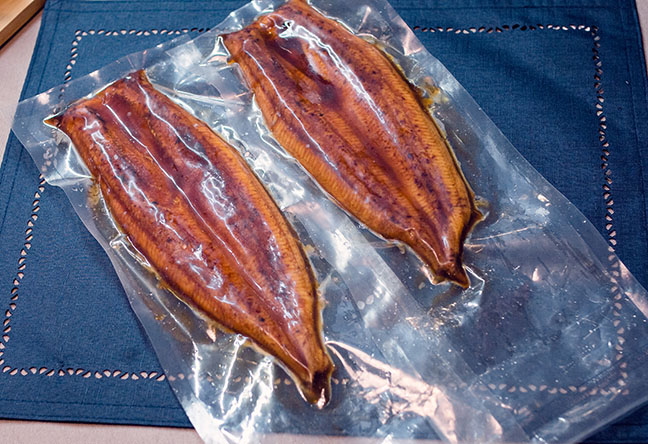
Our unagi kabayaki product is a practical starting point for this style of dish. Prepared kabayaki can be portioned, warmed, and cut before it goes into the pan. That keeps the cooking process focused on texture rather than lengthy eel preparation.
Leftover rice is useful because chilling helps the grains firm up. If the rice is tightly packed, spread it across a tray or plate. Break apart large clumps with clean hands or a rice paddle, taking care not to crush the grains.
If you are using freshly cooked rice, let the steam escape before frying. Rice that goes directly from the cooker to the pan can carry too much surface moisture. Instead of frying, the grains may steam and turn soft.
For general food safety guidance, handle cooked rice and eel promptly, keep chilled ingredients cold until use, and reheat the finished dish until it is steaming hot throughout.
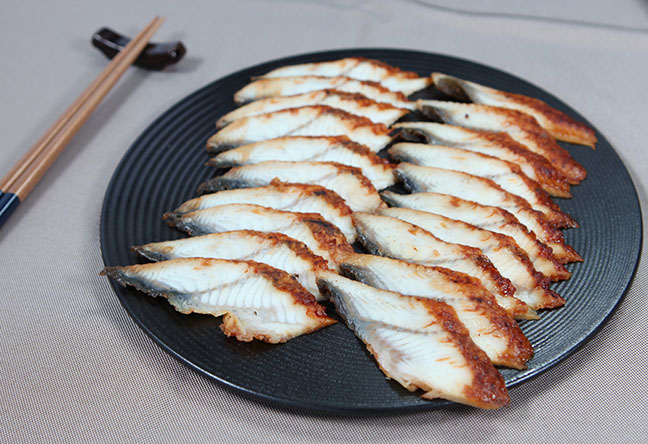
Warm the kabayaki according to the product instructions, then cut it into bite-size pieces. Smaller pieces distribute the eel flavor throughout the rice, while slightly larger pieces create a more premium look for plated dishes or lunch bowls.
Keep the eel separate until the final stage. It is already cooked and seasoned, so it does not need prolonged frying. A quick final toss is enough to warm it and let its glaze coat the surrounding rice.
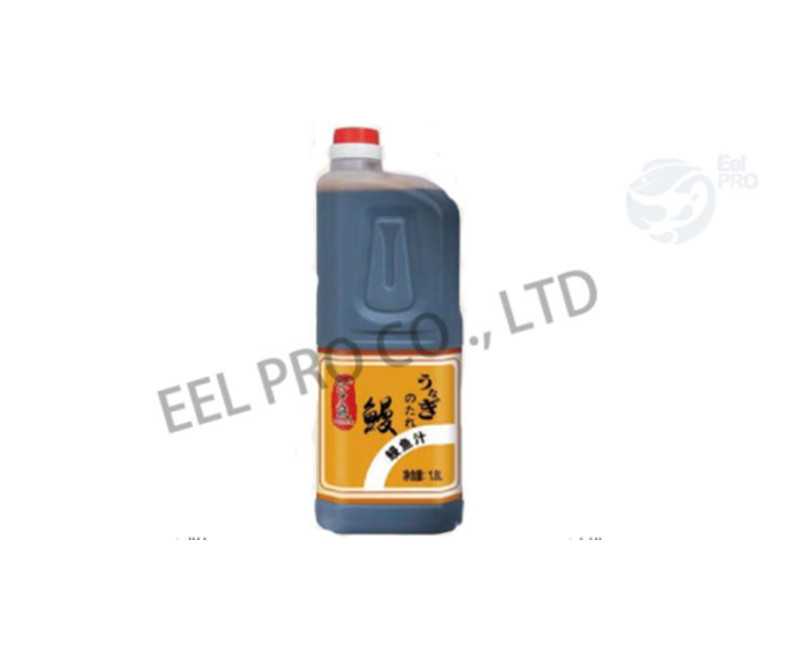
When comparing products, look for clear information on eel format, glaze, packaging, storage, and cooking instructions. Eelpro supplies frozen unagi kabayaki for overseas buyers, along with eel sauce, frozen seafood, and freshwater eels. Product selection should match the kitchen’s portioning method and service format.
What vegetables pair with unagi fried rice? Choose vegetables that add color, freshness, or crunch without releasing too much water.
Avoid adding a large amount of wet vegetables at once. Cabbage, zucchini, and thawed frozen vegetables can release liquid and lower the pan temperature. Drain them well and add them in small amounts.
The cooking order matters more than recipe complexity. Prepare every ingredient before heating the pan, because once cooking starts, everything moves quickly.
The visual cues are simple: high heat for the rice stage, brief reheating for the eel, and gentle folding at the finish. These steps help preserve the texture of both the grains and the eel.
For a stronger sauce flavor, serve a small amount of extra tare on the side rather than adding more directly to the pan. Our eel sauce product page can help buyers review sauce options for menu development. You can also explore our article on kabayaki sauce flavor for more ideas.
Use rice that has been chilled, separated, and checked for excess moisture. Remove any hard, dry pieces. Cut leftover eel into pieces that match the size of the vegetables. If the eel was stored with sauce, reserve that sauce for seasoning instead of pouring it all into the pan at once.
Heat the pan, cook the egg and vegetables, then fry the rice until the grains are separated and lightly glossy. Add a modest amount of tare. Taste before adding more, since the eel may already provide plenty of seasoning.
Fold in the eel at the end. The rice should be hot, but the eel should not cook for long. Finish with sliced green onion or sesame seeds.
This method works especially well for a home dinner because everyone can choose a different topping. In a restaurant, the same base can support several menu variations: a simple eel fried rice bowl, a vegetable-forward version, or a larger seafood fried rice plate with shrimp and scallops.
Yes. Frozen unagi can be used in fried rice when it is properly thawed or warmed according to the product instructions before cutting. Frozen unagi kabayaki can be convenient because the eel is already prepared and seasoned.
Do not place a large frozen block directly into the rice. It can cool the pan, release excess moisture, and cause the grains to clump. Warm the eel separately, manage any released liquid, then cut it into pieces.
For commercial kitchens, a frozen format can simplify portion planning. Staff can prepare only the quantity needed for a service period while remaining product stays in approved frozen storage. Always follow the supplier’s storage and handling instructions, along with your own food safety procedures.
When purchasing for a menu, ask whether the product comes as a whole fillet, cut portion, or another format. Ask how the glaze is applied and how the product should be reheated. These details affect plating, labor, and sauce control.
A heavy pour can make the rice dark, wet, and overly sweet. Add sauce gradually. The goal is a light coating, not a pool at the bottom of the pan.
A crowded cooking surface traps steam. Cook in smaller batches when possible, especially for foodservice orders. A wide pan gives the rice more contact with the heat.
Long cooking can dry out the eel or cause the pieces to break apart. Add it after the rice has been seasoned.
Drain thawed vegetables well and pat them dry when needed. If the pan loses heat, pause briefly and let it recover before continuing.
Kabayaki, tare, egg, and vegetables all affect the final balance. Taste near the end, then add sauce, pepper, sesame, or a little acidity only if the dish needs it.
Avoid the soggy-rice trap: do not use a large amount of liquid seasoning to compensate for bland rice. Separate the grains first, then build flavor in small additions.
For a home meal, serve the rice in a shallow bowl with eel pieces visible on top. Add nori, green onion, or a soft-boiled egg, if desired. A light soup or quick cucumber salad can balance the richness.
For a restaurant menu, consider three formats:
Portioning also changes the presentation. Small eel pieces distribute flavor through the rice, while larger slices create a clear premium topping. The same ingredients can support either a casual bowl or a more polished plated dish.
For menu inspiration beyond fried rice, visit our eel flavor pairings article or browse our frozen seafood selection.
Chill the rice, separate the grains, and remove excess moisture. Cook the egg and vegetables first. Fry the rice over high heat, add tare in small amounts, and fold in warmed eel at the final stage. This helps keep the rice loose and the eel tender.
Green onion, carrot, peas, corn, shiitake mushrooms, bean sprouts, and well-drained leafy greens are good choices. Choose vegetables with color and texture, and avoid adding too much watery produce at once.
Yes. Warm or thaw it according to the product instructions, then cut it before adding it near the end of cooking. Do not add a frozen block directly to the pan, as it can release moisture and reduce heat.
It can be a practical menu option because the preparation uses cooked rice, portionable eel, vegetables, egg, and sauce. The final format depends on the product, storage system, kitchen equipment, and local food handling procedures.
Unagi fried rice is more than a way to clear out the refrigerator. It gives leftover rice a new purpose. With separated grains, controlled sauce, crisp vegetables, and eel added at the right moment, a simple pan dish becomes warm, glossy, and satisfying.
For home cooks, start with ingredients already on hand. For buyers and foodservice operators, test the dish with the eel format, sauce level, and portion size that suit your operation. Eelpro Co., LTD supplies frozen unagi kabayaki, eel sauce, frozen seafood, and freshwater eels for overseas buyers seeking practical menu ingredients.
How do you like your eel fried rice: heavy on vegetables, extra saucy, or topped with larger kabayaki pieces? Share your favorite combination in the comments, and explore our eel meal-prep recipes for more kitchen ideas.
 WhatsApp
 sales@chinaeels.com
 +8619937922411