


Does a Great Vegan Unagi Sauce Really Need Mirin or Kombu Dashi?
As a quality specialist, I often field questions about ingredient substitutions in sauce formulations. A common one is whether traditional components like mirin and kombu dashi are non-negotiable for creating an authentic-tasting vegan unagi sauce. The short answer is no, they are not strictly essential, but removing them requires careful, deliberate compensation to replicate the complex balance of sweetness, umami, and body they provide. Anything less results in a flat, one-dimensional glaze that fails to mimic the richness of classic unagi tare.
Authentic unagi sauce, or tare, is a masterful blend of just four core ingredients: soy sauce, sugar, mirin, and sake. The flavor deepens over time as it's used to glaze countless fillets of grilled eel. At Eelpro, our own eel sauce product page details a process built on this tradition, perfected for large-scale production. Recreating this experience for a plant-based audience means understanding what each component contributes and finding effective, stable alternatives that meet commercial standards for taste, consistency, and food safety.
The Foundational Flavors of Traditional Unagi Tare
Before building a vegan alternative, it's critical to analyze the function of each ingredient in the original sauce used for unagi kabayaki. The magic of unagi tare isn't just in the ingredients themselves, but in how they interact during reduction over heat.
Soy Sauce (Shoyu): This is the backbone, providing the primary savory (umami) flavor and deep color. The quality of the soy sauce directly impacts the final product's complexity. Tamari is often a good choice for its richer flavor and gluten-free properties.
Sugar: Provides the signature sweetness that balances the saltiness of the soy sauce. During cooking, the sugar caramelizes, contributing to the sauce's thick, glossy texture and rich brown hue. The ratio of sugar to soy sauce is a critical control point for consistency.
Mirin: A type of Japanese rice wine, mirin contributes a unique, mild sweetness and a distinctive syrupy body. Its alcohol content helps to mellow any harsh flavors and adds a glossy sheen to the finished glaze. It contains complex sugars that provide a more nuanced sweetness than plain sugar alone.
Sake: Another rice wine, but typically drier and with a higher alcohol content than mirin. Sake adds depth and a subtle fruity aroma while its alcohol helps to tenderize the eel and meld the flavors in the sauce. In many traditional recipes, dashi is also included to boost umami, but this often contains bonito flakes (katsuobushi), making it unsuitable for vegan versions.
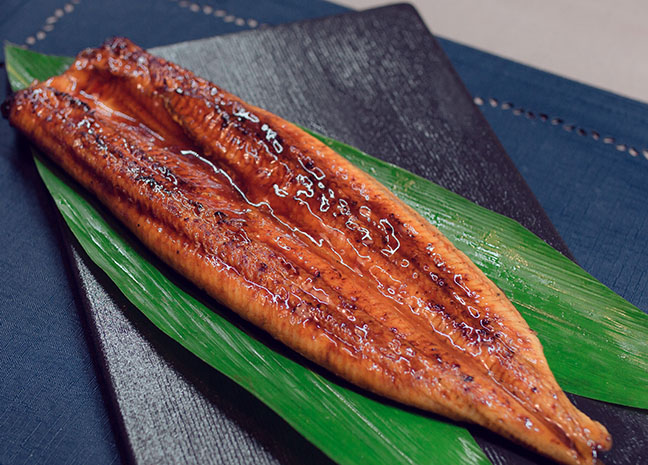
At our facility, we apply our sauce in four precise layers during a temperature-controlled roasting process. This method, backed by our patented low-fat roasting technology, ensures each layer of unagi kabayaki is perfectly glazed. Achieving this level of quality requires a sauce with impeccable viscosity and flavor stability—a benchmark any vegan formulation must aim for.
Building Flavor in Vegan Unagi Sauce: A Component-by-Component Comparison
Creating a commercially viable vegan unagi sauce means making smart substitutions that deliver on flavor, texture, and stability without introducing compliance risks. As someone who oversees our ISO 22000:2018 and HACCP systems, I evaluate every ingredient for its impact on the final product's safety and consistency. Here is a breakdown of traditional ingredients and their plant-based counterparts, highlighting the trade-offs for food importers and distributors.
This comparison clarifies the choices you have when formulating or sourcing a vegan unagi sauce.
| Traditional Ingredient | Function | Common Vegan Substitute(s) | Flavor & Umami Trade-Offs |
|---|---|---|---|
| Mirin | Adds mild, complex sweetness, gloss, and body. | Rice Vinegar + Sugar/Agave: A mix of rice vinegar and a sweetener (sugar, agave, maple syrup) can mimic the sweet-acidic balance. | Lacks the nuanced, fermented depth of true mirin. The sweetness can be more direct and less complex. Requires careful pH and brix monitoring to ensure consistency. |
| Sake | Provides umami depth, aroma, and helps to meld flavors. | Dry Sherry or Rice Wine Vinegar: A small amount can replicate the acidic notes. For alcohol-free versions, a splash of water with a pinch of sugar works. | Substitutes miss the subtle fruity and fermented notes of sake. The primary function of flavor-melding is reduced, requiring a longer simmering time to compensate. |
| Dashi (with Bonito Flakes) | Delivers a powerful, smoky umami foundation from fish. | Kombu Dashi: A broth made from dried kombu (kelp), providing a clean, oceanic umami. Often combined with dried shiitake mushrooms. | Kombu provides a gentler, more vegetal umami compared to the smoky, intense flavor of bonito. Shiitake adds an earthy depth that is different but equally effective. This is the most common and successful substitution. |
| Dashi (No Bonito) | Umami from other sources. | Mushroom Broth or Yeast Extract: A concentrated broth from dried shiitake mushrooms offers deep, earthy umami. Nutritional yeast or yeast extract can provide a savory, cheesy note. | Mushroom-based umami is distinctly earthy and lacks the marine notes of kombu. Yeast extract is potent and must be used sparingly to avoid an overpowering, processed flavor. It's an efficient industrial solution but can taste less "natural." |
A Buyer's Checklist for Sourcing High-Quality Vegan Unagi Sauce
For importers and foodservice chains in markets like the United States, Germany, or Australia, sourcing a reliable vegan unagi sauce goes beyond taste. It involves verifying quality, safety, and supply chain stability. Our experience exporting to demanding markets has shown that buyers who perform due diligence avoid costly import rejections and supply disruptions. Use this checklist when evaluating a potential supplier.
- Ingredient Declaration and Transparency: Does the supplier provide a full, clear ingredient list? Look for high-quality soy sauce (or tamari) as the primary ingredient. Be wary of sauces padded with excessive corn syrup or artificial flavor enhancers.
- Allergen Management and Certifications: Is the facility certified to manage allergens effectively? A vegan claim must be backed by processes that prevent cross-contamination. Our HALAL, ISO 22000, and HACCP certifications demonstrate our commitment to these protocols.
- Viscosity and Brix Measurement: A good unagi sauce needs to cling to food. Ask for the product's specifications on viscosity (thickness) and Brix (sugar content). These technical details determine how the sauce will perform in a kitchen, whether for glazing, dipping, or drizzling. Inconsistent specs lead to inconsistent results for the end-user.
- Microbiological and Contaminant Testing: Does the supplier have an in-house lab or use third-party testing? Our own professional laboratory and metal detectors at critical control points ensure our products meet strict EU and US standards for veterinary drug residues and microbiological indicators.
- Production Capacity and Lead Time: Can the supplier handle your volume? With an annual capacity of 4,000 tons and a 1,000-ton cold storage facility, we offer stable supply. Our standard 30-day lead time ensures predictable inventory management for our partners.
- Request Samples for Sensory Evaluation: The ultimate test is the taste. A quality sample should be balanced—not overly salty or sweet—with a pleasant aroma and a glossy finish. Test it in your intended application, not just from a spoon.
Common Formulation Mistakes to Avoid
Developing a vegan unagi sauce that stands up to its traditional counterpart is a challenge. Many commercial attempts fall short due to a few common formulation errors. For B2B buyers, recognizing these pitfalls can help you select a superior product.
- Over-Reliance on Soy Sauce for Umami: Many basic recipes simply mix soy sauce and sugar. This creates a salty, sweet liquid but lacks the deep, layered umami that makes unagi sauce so compelling. A great sauce builds umami with kombu, shiitake mushrooms, or other savory vegetable bases.
- Ignoring Texture and Viscosity: A watery sauce will run off food, failing to create that signature glaze. The right texture comes from proper sugar caramelization and reduction, or the addition of a clean-label thickener like cornstarch or arrowroot. The sauce must be thick enough to coat but not so thick it becomes gummy when cool.
- Unbalanced Sweetness and Acidity: Without the balancing act of mirin and sake, it's easy to make a sauce that is cloyingly sweet. A hint of acidity, perhaps from a touch of rice vinegar, is essential to cut through the richness and brighten the overall flavor profile.
- Forgetting the Aroma: Authentic unagi tare has a subtle, inviting aroma from the fermented rice wines. A good vegan version can replicate this with aromatics like a piece of ginger or a splash of toasted sesame oil (added at the end) to create a more complex sensory experience.
Ultimately, while mirin and kombu dashi are powerful tools for flavor, they are not irreplaceable. A well-formulated vegan unagi sauce, built on a deep understanding of flavor chemistry and supported by rigorous quality control, can absolutely deliver the sweet, savory, and umami-rich experience that chefs and consumers expect.
If your business requires a consistent, high-quality eel sauce or a custom-developed vegan alternative that meets global export standards, our team is ready to assist. Contact us to discuss your product specifications and request a sample.