





What Is in Eel Sauce Made Of When Recipes Differ
A glossy spoonful of eel sauce can look simple, yet one label lists soy sauce and sugar while another mentions dashi, eel broth, or cornstarch. So, what is in eel sauce made of when recipes do not agree? The short answer is that the sweet-salty base stays familiar, but the supporting ingredients can change for flavor, texture, cooking use, and local market requirements.
For home cooks, restaurant buyers, and food importers, the question of what is in eel sauce made of is not only about tradition. It also affects allergen checks, menu descriptions, texture after heating, and whether the sauce suits grilled eel, sushi rolls, rice bowls, or seafood glazing.

Start With the Ingredients That Define Eel Sauce
The most reliable answer to what is in eel sauce made of begins with its basic flavor structure: a dark soy-based seasoning balanced by sweetness. Many recipes are called grilled eel sauce because they are brushed over roasted eel during cooking, then used again as a finishing glaze.
The core formula is usually built from a short list. The exact ratios are not universal. A restaurant sauce may taste deeper, sweeter, thinner, or more savory than a retail bottle even when both use the same foundation.
| Ingredient group | Typical role | Usually core or optional | Buyer or cook check |
|---|---|---|---|
| Soy sauce | Provides salt, color, fermented depth, and the main savory backbone. | Core in most traditional-style formulas. | Check whether wheat is present in the soy sauce used. |
| Sugar or another sweetener | Balances salt and helps produce a lacquered finish on grilled foods. | Core in most formulas. | Compare sweetness against the intended menu application. |
| Mirin or cooking wine | Adds mild sweetness and aroma while loosening the sauce. | Common, but not mandatory in every recipe. | Review alcohol-related labeling requirements for the destination market. |
| Water | Adjusts concentration and pourability. | Common, though not always separately listed in reduced sauces. | Assess thickness after heating, not only at room temperature. |
| Eel broth or cooking juices | Adds roasted eel character and a fuller finish. | Optional and recipe-dependent. | Confirm if a seafood-derived ingredient matters for labeling or positioning. |
When people ask what is in eel sauce made of, they often expect a fixed traditional recipe. That expectation has limits. Traditional-style sauce is a category, not one protected universal formula. Soy sauce and sweetness are the strongest common thread. Beyond that, a producer may use cooking wine, broth, stock, thickener, or an alternative sweetener to meet a specific taste or handling target.
The sauce is closely associated with grilled eel because repeated brushing creates a dark, fragrant coating. For a closer look at sauce use during roasting, see our kabayaki sauce article.
Recipe-to-Recipe Variation Explained With Core and Optional Ingredients
This is where conflicting online recipes make sense. What is in eel sauce made of changes when the cook wants a clean sweet glaze, a fuller seafood note, a thicker sushi drizzle, or a lower-cost substitute. Dashi, eel broth, cornstarch, and replacement ingredients are not automatically signs that a sauce is wrong. They simply indicate a different recipe direction.
Umami is the savory taste that helps explain why broth-based versions feel deeper on the palate. Soy sauce already contributes savory depth. Dashi or eel broth can add another layer, especially in sauces intended for grilled fish or rice dishes.
| Ingredient or substitute | When it may appear | What it changes | Is it traditional-style core? |
|---|---|---|---|
| Dashi | Used in some home recipes and foodservice sauces that need a lighter, stock-like savory character. | Adds a brothy taste and may reduce the need for a heavily reduced sauce. | No. It is optional. |
| Eel broth or roasting juices | May appear in recipes designed to connect the sauce directly to roasted eel production. | Can add a more pronounced eel aroma and rounded finish. | No. It is optional, although it is familiar in some grilling methods. |
| Cornstarch | Used when a sauce must thicken quickly without a long reduction step. | Creates a thicker coating, but may feel less glossy or less concentrated than a reduced sauce. | No. It is a functional thickener. |
| Honey, syrup, or brown sugar | Used as a sweetener substitute in household recipes or market-specific formulas. | Changes sweetness, color, and aroma. | No. Sweetness is core; the specific sweetener varies. |
| Sake substitute or extra water | Used when cooking wine is unavailable or excluded from the formula. | May make the flavor simpler and less aromatic. | No. Cooking wine is common but not required. |
| Garlic, ginger, chili, or sesame | Used in fusion recipes, dipping sauces, or flavored retail products. | Adds a regional or menu-specific direction. | No. These are flavor additions rather than classic base ingredients. |
The practical conclusion is simple: if you want a traditional-style grilled eel glaze, choose soy sauce plus sweetener as the non-negotiable base, then assess mirin, cooking wine, and eel-derived broth as recipe choices. If you want a thick topping sauce for rolls or bowls, a small amount of thickener may fit the application. Do not assume cornstarch belongs in every bottle.
That distinction matters when deciding what is in eel sauce made of for menu copy. Calling every sweet soy glaze “traditional” can confuse customers if the formula includes noticeable garlic, chili, honey, or a heavy starch texture. Describe the actual profile instead: sweet soy glaze, grilled eel sauce, or seafood finishing sauce.
How to Read an Ingredient Label Before Buying or Serving
For packaged products, the most useful answer to what is in eel sauce made of is the ingredient declaration on the exact SKU you plan to buy. Online recipe lists are useful for learning, but they cannot replace a product specification, label artwork, or allergen statement.
Start with the first ingredients. In many markets, ingredients are listed in descending order by weight. A sauce led by soy sauce and sugar will usually present a different flavor balance from one led by water, syrup, and thickener.
- Check soy and wheat carefully. Soy sauce often involves soy, and some soy sauces contain wheat. Review food allergen labeling requirements for the market where the product will be sold.
- Look for seafood-derived components. Eel broth, fish extract, and stock can matter for seafood-sensitive consumers and for menu declarations.
- Separate reduction from thickening. A naturally reduced sauce can be thick because water has cooked away. A starch-thickened sauce achieves body differently.
- Ask about the intended heat treatment. A sauce used as a cold drizzle may need different flow behavior from one brushed onto eel during grilling.
- Do not infer ingredients from color alone. Dark color can come from soy sauce reduction, caramelized sugar, or another coloring approach listed on the label.
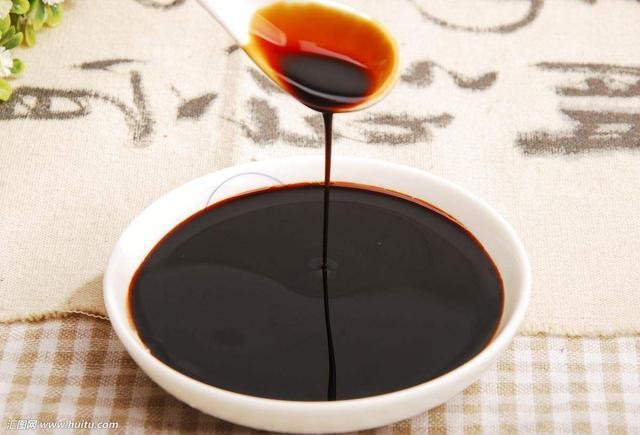
A common mistake is treating every dark bottle as identical. That is not how what is in eel sauce made of should be assessed. Two sauces can look nearly black on a spoon, yet one may be salty and thin for roasting while another is sweet and thick for a rice bowl.
Choose the Right Formula for Each Foodservice Use
Choose the sauce by application first. This prevents a frequent kitchen problem: a sauce that tastes good from the bottle but burns too fast, runs off the eel, or overwhelms rice after heating. Understanding what is in eel sauce made of helps purchasing teams match the formula to the menu rather than buying by appearance alone.
| Menu use | Recommended sauce direction | Why it fits | When it may not fit |
|---|---|---|---|
| Grilled eel finishing glaze | Sweet soy base with a smooth, brushable body. | It supports repeated coating and gives roasted eel a glossy finish. | May be too concentrated for dipping. |
| Rice bowl topping | Balanced sweetness with enough flow to spread over rice. | It seasons rice without forming a heavy layer in one spot. | A very thin sauce can make the bowl watery. |
| Sushi roll drizzle | Thicker formula, sometimes using a controlled thickener. | It stays on the surface and gives portion control. | A starch-heavy formula may feel pasty if overused. |
| Seafood glaze | Less sweet and moderately fluid. | It lets shrimp, salmon, or other seafood remain noticeable. | A strong eel-broth note may not suit every seafood item. |
| Marinade or noodle seasoning | Lighter sauce, sometimes supported by dashi or stock. | It disperses more evenly through broth or noodles. | A thick finishing sauce may not dissolve evenly. |
Eelpro supplies frozen roasted eel and eel sauce for foodservice and export buyers. Our roasted eel process uses four precise layers of soy sauce coating, with established color standards from white-roasted eel through the first, second, third, and fourth coating stages. This describes our roasting approach, not a claim that every eel sauce recipe uses four layers.
For buyers serving grilled eel, compare the sauce with the finished protein rather than tasting it alone. A sauce that seems assertive by itself can become balanced after heating on eel and rice. Explore our unagi kabayaki product page when planning a paired grilled eel and sauce program.
Use This Step-by-Step Check When Comparing Recipes
If you are still asking what is in eel sauce made of after reading several recipes, use a repeatable comparison process. It works for home cooks choosing a recipe and for buyers reviewing supplier documents.
- Identify the intended use. Write down whether the sauce is for brushing, dipping, drizzling, rice bowls, or noodles.
- Mark the core base. Confirm that soy sauce and a sweetener are present if you expect a classic sweet-savory grilled eel style.
- Flag optional flavor builders. Note mirin, cooking wine, dashi, eel broth, garlic, ginger, sesame, or chili separately.
- Check texture method. Ask whether thickness comes from reduction or cornstarch. These methods behave differently during heating.
- Review allergens and declarations. Check soy, wheat, fish-derived ingredients, and any market-specific label needs.
- Test on the actual food. Brush a small amount onto grilled eel or spoon it over rice. Judge salt, sweetness, cling, and aftertaste after heating.
- Record the selected specification. For repeat purchasing, retain the product label, ingredient declaration, batch information, and approved sample notes.
This method gives a clearer answer to what is in eel sauce made of than relying on one social-media recipe. It also keeps culinary preference separate from food safety, labeling, and consistency requirements.
Frequently Asked Questions About Traditional-Style Eel Sauce
Is dashi always part of eel sauce?
No. Dashi is optional. When people ask what is in eel sauce made of, dashi is often mentioned because it adds a gentle stock-like savoriness. However, many traditional-style formulas rely on soy sauce, sugar, and cooking wine without dashi. Use dashi when you want a lighter, more broth-forward profile; skip it when you want a direct, reduced sweet soy glaze.
Does real eel sauce always contain eel broth?
No. Eel broth or roasting juices may be used in some formulas, especially when sauce is prepared around grilled eel production. It is not required in every commercial or home recipe. The practical limit is labeling: if eel-derived ingredients are included, they should be declared accurately for the target market.
Is cornstarch traditional in this type of sauce?
Cornstarch is not a core traditional ingredient. It is used as a shortcut thickener when quick viscosity is needed. If your question is what is in eel sauce made of for a sushi drizzle, cornstarch may appear. If you are looking for a reduced grilling sauce, thickness may instead come from simmering and sugar concentration.
Can teriyaki sauce replace eel sauce?
Sometimes, but it is not a direct match. Both are often sweet and soy-based, yet their ingredient balance and intended use can differ. Teriyaki-style sauces may be lighter, more ginger-forward, or less concentrated. Substitute only when the menu does not depend on the distinctive dark, sweet grilled-eel finish.
Which ingredient list should a buyer trust?
Trust the current specification and package label for the exact product and destination market. That is the most useful response to what is in eel sauce made of when online lists conflict. Ask suppliers for ingredient details, allergen information, storage instructions, and use recommendations before confirming a purchase order.
For a practical next dish idea, try pairing a sweet soy glaze with grilled eel and rice using these eel rice bowl toppings.
Request an eel sauce specification or sample discussion from Eelpro to compare the right formula for your menu or market.
 WhatsApp
 sales@chinaeels.com
 +8619937922411