





Make Homemade Unagi Sauce Without Mirin for a Glossy Sweet-Salty Finish
Mirin missing from the shelf just as your grilled eel starts to smell smoky and rich? You can still make a shiny, balanced sauce with ordinary pantry ingredients. The key is not copying mirin exactly. It is rebuilding its sweetness, mild acidity, and gentle body in the pan.
A good homemade unagi sauce should taste savory first, sweet second, and never like plain soy sauce mixed with sugar. It should also cling to eel, rice, sushi rolls, and roasted vegetables without turning into a sticky candy layer. This guide explains how to make that happen when mirin is unavailable.

Start with the flavor job mirin normally performs
Mirin is not only a sweet ingredient. In unagi tare, it softens soy sauce saltiness, adds a mild fermented note, and helps the glaze look polished after heating. If you remove it without replacing those functions, the sauce can become harsh, thin, or overly sugary.
The most reliable approach for homemade unagi sauce is to separate the task into three parts: salt and umami from soy sauce, sweetness from sugar or another sweet pantry ingredient, and gentle lift from a suitable liquid substitute. This gives you more control than simply adding extra sugar.
For a basic home batch, place soy sauce, sugar, and your chosen mirin replacement in a small saucepan. Heat over low heat and stir until the sugar fully dissolves. Let the liquid reduce gently until it lightly coats the back of a spoon. That coating test matters more than chasing a fixed cooking time because different sugars, soy sauces, and substitute liquids reduce differently.
Keep the pan calm. A hard boil can make sugar catch on the bottom, pushing the sauce toward bitterness. The desirable browned aroma comes from caramelization, but it should be subtle. Burnt sugar will bury the clean, savory character that grilled eel needs.
Choose the right base before sweetening
- Use regular soy sauce for a familiar savory base. This fits sushi, rice bowls, grilled eel, and vegetable glazing. It may not suit people who need a lower-sodium option.
- Choose a sweeter soy sauce carefully. It can shorten the sweetening step, but it may create a heavier flavor and darker finish. This is better for rich grilled dishes than for delicate sushi.
- Use tamari only when its deeper flavor is welcome. Tamari can give a fuller profile, but it may dominate mild fish or tofu if used without adjustment.
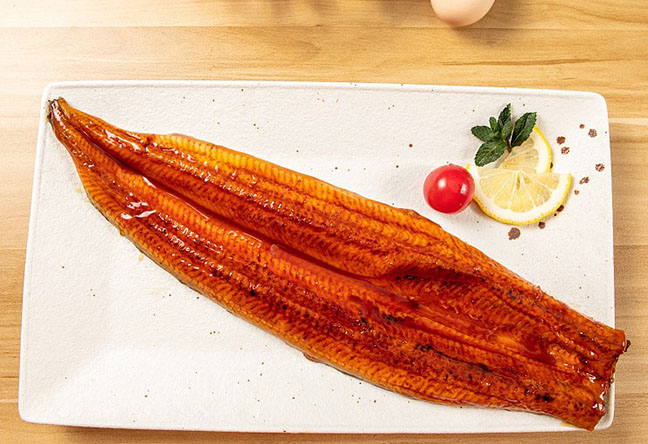
If you are serving prepared eel, start with a restrained amount of sauce. Frozen kabayaki already has roasted flavor and may already carry a glaze. For product context, see our unagi kabayaki page before deciding how heavily to brush the finished portion.
How substituting mirin with specific pantry ingredients preserves the sauce’s sweet-salty balance and glaze consistency
The best mirin substitute depends on what you have and how the sauce will be used. A homemade unagi sauce for sushi needs a clean finish and controlled sweetness. A glaze for grilled eel can accept a deeper, more rounded note. In both cases, add sweetness slowly and reduce gently rather than trying to make the substitute taste exactly like mirin before cooking.
| Pantry substitute | What it replaces | Best use | Key checkpoint | When not to use it |
|---|---|---|---|---|
| Dry sake with sugar | Light fermented aroma and sweetness | Grilled eel, sushi glaze, rice bowls | Cook gently until the alcohol aroma softens and the sauce becomes glossy | Avoid when no alcohol-based ingredient is acceptable |
| Dry sherry with sugar | Body and mild fruitiness | Rich eel dishes and roasted seafood | Use sparingly because its wine character can become noticeable | Not ideal for a very traditional Japanese flavor profile |
| Rice vinegar with sugar and water | Gentle brightness with controlled sweetness | Sushi rolls, vegetable glaze, lighter sauces | Add vinegar carefully; the sauce should taste savory, not sour | Do not use as the only liquid, or the acidity may stand out |
| Water with sugar | Sweetness and reduction body | Emergency pantry version | Reduce only until spoon-coating consistency | It lacks fermented depth, so it is less suitable for a sauce-forward dish |
| Honey or maple syrup with water | Sweetness and shine | Small finishing batches for grilled foods | Use a light hand because these sweeteners brown quickly | Not the best choice when you want a classic unagi tare taste |
Best all-purpose choice: dry sake and sugar. The conclusion is simple: it gives the closest balance of mild aroma, sweetness, and cooking behavior for a homemade unagi sauce. It fits grilled eel and sushi because it reduces into a smooth glaze without adding sharp acidity. Its limit is clear: it is not suitable for alcohol-free cooking requirements.
Best alcohol-free choice: water, sugar, and a very small touch of rice vinegar. This combination works because water gives room for reduction, sugar creates gloss, and vinegar keeps the finished sauce from tasting flat. It suits home cooks making a small batch for rice bowls or vegetable brushing. It does not fully reproduce mirin’s rounded fermented flavor, so keep expectations realistic.
A practical substitution method that avoids harsh sweetness
- Pick one liquid substitute. Do not combine every available ingredient. Sake plus sugar is a good starting point; water plus sugar and a restrained touch of rice vinegar is the practical alcohol-free path.
- Mix soy sauce and the chosen liquid before heating. Taste a small drop. It should be salty but not aggressively sharp.
- Add sweetener gradually. Stir until dissolved before adding more. The sauce becomes sweeter as it reduces, so an early taste can be misleading.
- Simmer over low heat. Watch for small, gentle bubbles. Fast boiling can create a thick sauce too early while leaving an unbalanced soy flavor.
- Use the spoon-coating test. Lift the spoon and run a finger through the coating after it cools briefly. A clear line that closes slowly signals a glaze-like texture.
- Cool before judging the final body. A warm sauce always appears thinner. If you keep reducing after it is nearly ready, it may become too thick when cold.
This process produces a homemade unagi sauce with enough body for brushing but enough flow for drizzling. If the sauce will sit on hot rice, keep it slightly looser. If it will be brushed onto grilled eel, take it closer to a glossy spoon-coating finish.
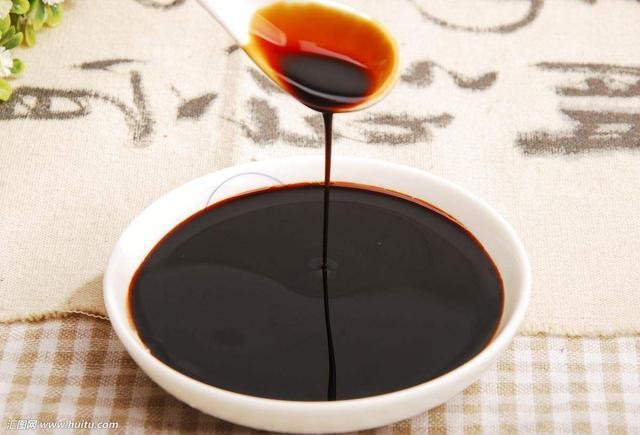
Use a controlled cooking process for a clean glossy glaze
The pan method looks simple, yet most disappointing sauces fail at one of three points: excessive sweetness, over-reduction, or late acidity. A better homemade unagi sauce is built in stages. Taste, reduce, cool slightly, then decide whether it needs adjustment.
Common mistakes and how to fix them
- Mistake: adding all the sugar at once. The result can become sweet before you notice that the soy sauce needs softening. Fix it by adding sweetener in small additions and tasting after each one. This matters most with honey, maple syrup, and sweet soy sauce.
- Mistake: boiling hard for a quick thick sauce. Rapid heat can darken the sauce and create bitter edges. Use low heat and stop when the sauce barely coats a spoon. This method is less suitable when you need a large commercial production batch, where controlled processing equipment is needed.
- Mistake: adding rice vinegar too freely. The sauce can shift toward sweet-and-sour rather than unagi-style sweet-salty. Add acidity only to brighten the finish, not to become a leading flavor.
- Mistake: brushing thick sauce on cold eel. The glaze sits on the surface instead of bonding with the roasted flavor. Warm the eel first, then brush lightly and heat again.
- Mistake: expecting every brown glaze to taste like unagi tare. Teriyaki-style sauces may contain ingredients that change the flavor direction. For a focused comparison, see this kabayaki sauce article.
Kitchen cold fact: unagi sauce is often called tare, which refers to a seasoned dipping or glazing sauce rather than one fixed formula. That is why home recipes can vary. The useful standard is not whether every pantry version tastes identical. The useful standard is whether the sauce supports the smoky, fatty, savory character of eel instead of covering it.
Match the finished sauce to eel, sushi, and everyday pantry meals
A homemade unagi sauce becomes more useful when you decide its final job before cooking. A sushi roll needs a thin drizzle. A grilled eel fillet needs repeated light brushing. A rice bowl needs enough flow to season the rice without making it wet.
| Serving use | Recommended consistency | Flavor direction | Application method |
|---|---|---|---|
| Unagi rice bowl | Loose and pourable | Moderate sweetness with clear soy savoriness | Drizzle lightly over warm rice and eel |
| Sushi rolls | Glossy but not thick | Clean and lightly sweet | Use a thin line across the finished roll |
| Grilled kabayaki | Spoon-coating glaze | Full-bodied, sweet-salty finish | Brush in light layers as the eel warms |
| Roasted vegetables | Medium glaze | Slightly brighter with restrained sweetness | Toss near the end of cooking |
| Tofu or mushrooms | Medium glaze | More savory than sweet | Brush after searing for surface shine |
For a home sushi night, use the sauce as a finishing layer, not a soaking liquid. Brush a small amount across warm eel, then slice. If you are making rolls, keep the rice seasoning separate so the sauce does not make the rice heavy. For more serving ideas, this eel sushi roll recipe offers a useful direction for pairing eel with cucumber and rice.
If you are using frozen roasted eel, warm it according to its product instructions before glazing. The sauce should support the eel’s existing roast rather than mask it. Eelpro supplies frozen roasted eel and eel sauce for buyers who need a consistent finished option for retail, foodservice, or menu development.
Know when a pantry sauce is enough and when a prepared option makes more sense
A homemade unagi sauce is a good answer when mirin is missing, you are cooking a small meal, or you want to tune sweetness for your own taste. It also helps early-stage recipe researchers understand what makes a good eel glaze work.
Prepared sauce makes more sense when consistency matters across repeated servings. Restaurant teams, retailers, and foodservice buyers may need the same color, flavor, and coating behavior from batch to batch. That is a different requirement from making a quick pan sauce at home.
- Choose the pantry method when flexibility matters more than exact repetition.
- Choose prepared unagi tare when menu standardization, portion control, and repeatable flavor matter more.
- Choose frozen kabayaki with matching sauce support when you want a faster route to an eel rice bowl, sushi topping, or grilled presentation.
A final taste check keeps the result on track: the first impression should be savory, the middle should be gently sweet, and the finish should be clean enough that you want another bite of eel. That is the standard worth chasing with any homemade unagi sauce made without mirin.
For foodservice or retail sauce specifications, request a quote from Eelpro Co., LTD.
 WhatsApp
 sales@chinaeels.com
 +8619937922411