

What is Eel Sauce and How Is It Used Beyond Sushi?
Many chefs and food importers ask, what is eel sauce? Despite its name, authentic eel sauce—known in Japanese as unagi no tare—contains no eel. It is a thick, sweetened soy glaze, traditionally used for grilling freshwater eel (unagi). Its rich umami and syrupy consistency are perfect for fatty, savory unagi, but its intense sweetness can easily overpower other dishes. This creates a challenge for foodservice businesses wanting to use it as a versatile finishing sauce.
The key is understanding how to control its application and balance its flavor profile for lighter proteins like chicken, other types of fish, and even vegetables. As a B2B supplier, we regularly consult with clients in the US, Japan, and the European Union on how to adapt traditional sauces for wider menu applications. The secret lies not just in the recipe, but in the viscosity, application technique, and the quality of the base ingredients.
The Composition of Commercial-Grade Eel Sauce: A B2B Perspective
For a foodservice buyer, the consistency of a product from one batch to the next is paramount. A high-quality eel sauce is defined by the precise balance of its core components. While recipes vary, the foundation always includes four key ingredients. Understanding their role is critical for sourcing a stable, reliable product.
As a quality specialist with over 12 years in seafood export, I've seen firsthand how variations in these simple ingredients can affect the final product. At Eelpro, our entire process is managed under our ISO 22000:2018 and HACCP certifications, ensuring every batch meets the exact specifications our clients depend on.
- Soy Sauce (Shoyu): This is the backbone of the sauce, providing the primary umami and saline flavor. The quality of the soy sauce—its fermentation time, sodium level, and color—directly impacts the final taste. We use a specific grade to maintain a consistent flavor profile that meets Japanese export standards.
- Mirin: A type of sweet Japanese rice wine, mirin adds a mild, complex sweetness and glossy sheen. It's less sugary than sugar and contributes to the sauce's characteristic glaze. The alcohol content is cooked off during the reduction process.
- Sugar: This ingredient provides the primary sweetness and contributes significantly to the sauce's thickness and viscosity. The ratio of sugar to liquids determines how well the sauce will cling to food when heated.
- Sake: A Japanese rice wine that adds depth and helps to mellow some of the harsher notes from the soy sauce. Like mirin, its alcohol content evaporates during cooking.
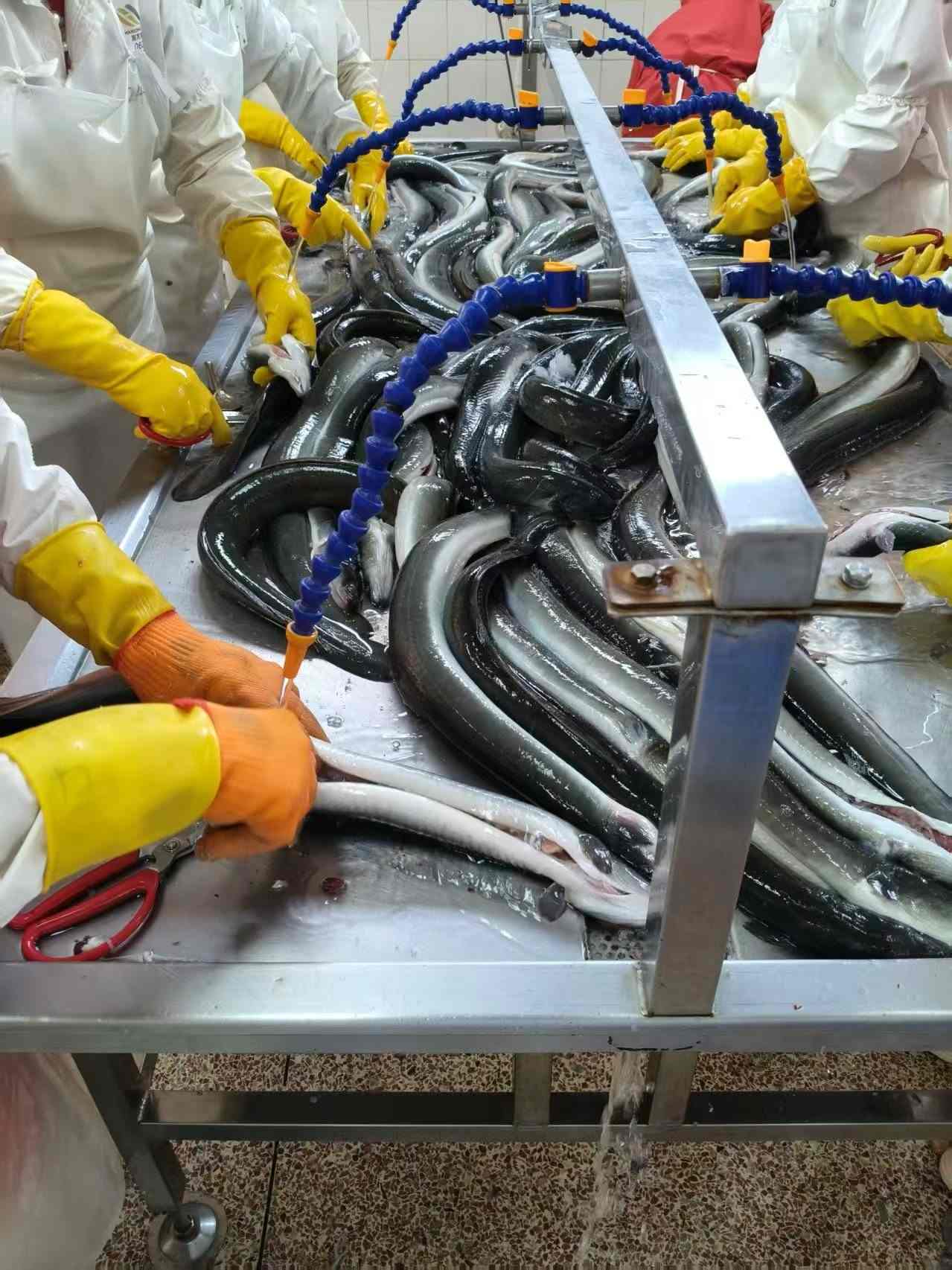
For large-scale production, controlling the reduction process is essential. We utilize temperature-controlled vats to slowly simmer the mixture, allowing the sugars to caramelize without burning and the sauce to thicken to a precise Brix level (a measure of sugar content). This guarantees that a client in Germany receives the same product as a restaurant chain in Japan.
A Practical Guide: Applying Eel Sauce to Other Foods
The most common mistake when using eel sauce on non-unagi dishes is applying it too heavily. Its potent sweet-savory profile is designed to complement the rich fat of grilled eel. For leaner proteins or vegetables, you need a different approach. The goal is to use it as a finishing glaze or a component in a marinade, not a dipping sauce.
Here is a technical guide for foodservice applications to achieve a balanced flavor without overwhelming the dish. These guidelines are based on our experience supplying to diverse foodservice channels in Australia and Southeast Asia.
| Food Item | Application Method | Recommended Dilution | Key Consideration |
|---|---|---|---|
| Grilled Chicken Thighs | Brush on during the last 2-3 minutes of grilling. | 1 part eel sauce to 1 part water or chicken broth. | The high sugar content will burn if applied too early. Applying it at the end creates a perfect, non-bitter caramelization. |
| Pan-Seared Salmon Fillets | Drizzle a small amount over the cooked fillet just before serving. | Use full strength, but sparingly (approx. 1 teaspoon per 6 oz fillet). | Salmon's natural oils pair well with the sauce's sweetness. Drizzling post-cooking prevents the sauce from breaking in the pan's hot oil. |
| Roasted Root Vegetables (Carrots, Parsnips) | Toss vegetables in a diluted sauce after roasting. | 1 part eel sauce to 2 parts water or a neutral oil (e.g., grapeseed). | Roasting concentrates the vegetables' natural sugars. Applying the sauce afterward prevents a cloyingly sweet result and provides a light, even glaze. |
| As a Base for Rice Bowl Drizzle | Whisk with other liquids to create a custom "donburi" sauce. | 1 part eel sauce, 1 part soy sauce, 2 parts dashi broth. | This creates a thinner, less sweet, and more savory sauce that can be absorbed by the rice without making it sticky or overly sweet. Explore more eel rice bowl toppings for inspiration. |
Common Sourcing Mistakes Importers Make with Eel Sauce
Sourcing a seemingly simple product like eel sauce can expose an importer to significant risks if key details are overlooked. From my experience guiding clients through import compliance for the US and EU, I have identified several recurring issues. Avoiding them is crucial for maintaining brand reputation and ensuring food safety.
Here are the most common mistakes to avoid:
- Ignoring Brix and Viscosity Specifications: Buyers often focus on taste alone. However, the Brix level (sugar content) and viscosity (thickness) determine how the sauce performs in a commercial kitchen. A sauce that is too thin won't glaze properly, while one that is too thick can burn easily and be difficult to portion. Always request a full specification sheet.
- Overlooking Food Safety Certifications: A low price is tempting, but it can be a red flag for inadequate safety protocols. Ensure your supplier holds internationally recognized certifications like ISO 22000:2018 and a HACCP system. These are non-negotiable for avoiding costly recalls and protecting consumers. Eelpro also holds HALAL certification, opening access to more markets.
- Failing to Verify Ingredient Traceability: Where does the soy sauce come from? Are the other ingredients sourced from reputable suppliers? True traceability means the supplier can track every component back to its origin. Our system, supported by ~20 customs-registered farming bases, ensures full-chain control from raw material to finished product.
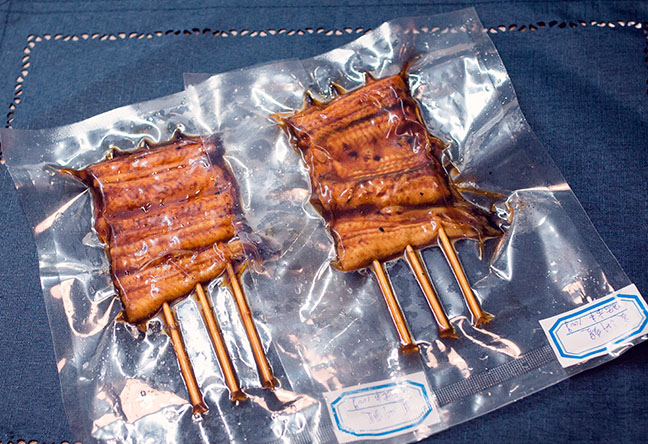
- Disregarding Logistics and Storage: How is the product stored and shipped? Poor temperature control can degrade quality and compromise safety. We operate a 1,000-ton cold storage facility to ensure our products, from unagi kabayaki product to sauces, maintain quality throughout the cold chain.
Verifying Quality: What to Demand from a Bulk Eel Sauce Supplier
When you're sourcing by the pallet or container, you are investing in a partnership, not just a product. A reliable supplier should offer more than just a competitive price. They must provide verifiable proof of quality, consistency, and compliance.
At Eelpro, we built our 8,497 m² production workshop to meet the stringent standards of our export clients in demanding markets. Our two modern production lines have a combined annual capacity of 4,000 tons, allowing us to handle large-volume orders without compromising quality. When evaluating a potential supplier, use this checklist to guide your decision:
Buyer's Decision Checklist:
- Does the supplier have an in-house laboratory? An on-site eel lab of eelpro co., ltd allows for rapid testing of raw materials and finished products, ensuring specifications are met consistently. We have 25 technical and quality-control personnel overseeing this process.
- What are their export credentials? Ask for proof of successful exports to regulated markets like the EU, US, or Japan. This demonstrates their ability to meet strict veterinary drug residue and microbiological standards.
- Can they provide customizable specifications? For large-volume clients, a good partner can adjust sweetness, viscosity, or sodium levels to meet specific menu requirements or regional taste preferences.
- Is their production capacity sufficient and stable? A supplier's ability to deliver consistently is tied to their production capacity and raw material sourcing. Our 5,000-ton annual supply of eel raw materials and 4,000-ton finished goods capacity ensure we can meet demand.
- What is their MOQ policy? Look for flexibility. We offer differentiated MOQ policies for different types of buyers, from catering chains to export traders, with terms negotiable based on the order.
Ultimately, a high-quality eel sauce is a versatile tool for any professional kitchen. By understanding its composition and sourcing from a certified and transparent unagi kabayaki manufacturer , frozen eel supplier, you can confidently incorporate its unique flavor into a wide range of dishes.
For detailed specifications on our eel sauce product page or to discuss your volume requirements for foodservice, please send us your inquiry.