

The Unakyu Roll Ingredient That Defines Every Bite
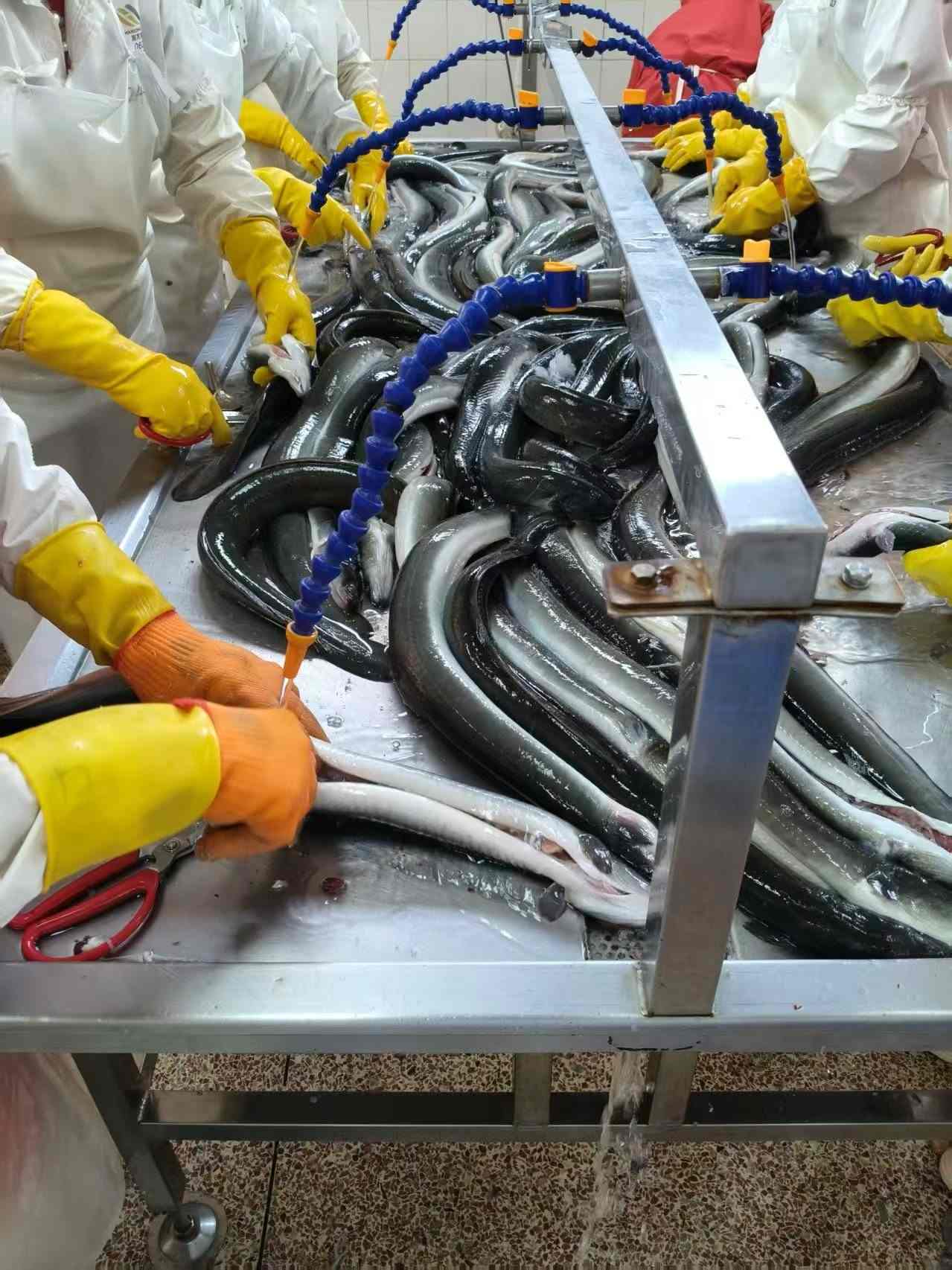
You see glossy eel, cool cucumber, rice, and nori in one neat sushi roll. But which item actually makes it an Unakyu roll? The direct answer is simple: the defining unakyu roll ingredient is unagi, or Japanese-style freshwater eel.
An Unakyu roll is not just any cucumber sushi roll with sauce on top. Its name combines “unagi” for eel and “kyu” from kyuri, the Japanese word for cucumber. The eel gives the roll its identity, while the cucumber provides a fresh contrast that keeps the bite from feeling too rich.
For diners, home cooks, and menu planners, knowing the main unakyu roll ingredient makes ordering and preparation much easier. If the roll contains cucumber, sushi rice, nori, and sauce but no eel, it may still be tasty, but it is not a true Unakyu roll.
Why Unagi Is the Defining Ingredient in an Unakyu Roll
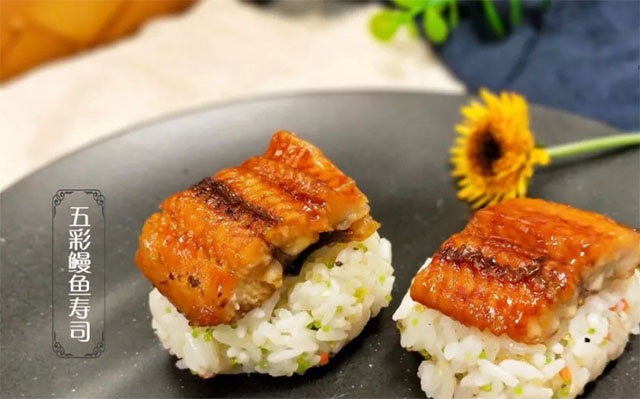
The main unakyu roll ingredient is unagi because eel supplies the signature flavor, texture, aroma, and name of the roll. In most sushi settings, unagi refers to freshwater eel prepared in a kabayaki style: cooked, grilled, and coated with a sweet-savory soy-based glaze.
Cucumber matters, but it does not replace eel. Its job is to add a clean snap and a light, watery freshness. This contrast is why Unakyu is popular with people who enjoy grilled eel but do not want a heavy bite of rice and sauce.
For home cooks, the best starting point is usually prepared frozen unagi kabayaki rather than raw eel. Raw freshwater eel requires cleaning, deboning, and careful cooking. Prepared kabayaki gives you the familiar grilled profile expected in an Unakyu roll. See our unagi kabayaki product page for a closer look at the format used for eel-focused dishes.
A useful boundary: Unakyu is not the same as an unagi nigiri. Nigiri places eel over a hand-formed rice portion. Unakyu is a rolled sushi format, generally using nori, seasoned sushi rice, cucumber, and eel.
What Each Ingredient Does in an Authentic Unakyu Roll
When choosing an unakyu roll ingredient, start with eel and then build the remaining components around it. Each item has a distinct role. Removing or changing one component may create a good roll, but it can move the result away from the familiar Unakyu style.
| Ingredient | Role in the Roll | What It Contributes | When It Can Change |
|---|---|---|---|
| Unagi kabayaki | Defining ingredient | Grilled eel flavor, soft texture, and the identity of Unakyu | It should not be replaced if the roll is being called Unakyu |
| Cucumber | Fresh supporting ingredient | Crisp texture and a cooling contrast to glazed eel | It may be cut into thin sticks or narrow strips |
| Sushi rice | Structural base | Holds the filling together and provides mild seasoned flavor | Rice quantity can vary, but too much can hide the eel |
| Nori | Outer wrapper | Contains the filling and adds seaweed aroma | Some restaurant versions may use rice outside the nori |
| Eel sauce | Flavor accent | Adds sweet-savory depth and surface gloss | Use lightly when the eel is already heavily glazed |
Conclusion: unagi must remain the center of the roll. Reason: it is the ingredient that gives Unakyu its name and classic grilled flavor. Best fit: use this structure when making a recognizable Japanese eel-and-cucumber sushi roll. Limit: creative rolls can add avocado, sesame, or other toppings, but those additions should not cover the eel’s flavor.
For sauce, restraint is usually the better choice. Kabayaki eel is already prepared with a soy-based coating, so adding too much extra sauce can make the rice sticky and overly sweet. A light finish is often enough. If you want to compare sauce formats for serving or home use, visit our eel sauce product page.
How to Choose the Best Eel for Your Unakyu Roll
The quality of the unakyu roll ingredient affects the result more than any garnish. Choose eel with an even appearance, a clean package, and a format that suits the way you plan to roll and serve sushi.
For a quick home meal, frozen kabayaki eel is practical because the grilling and seasoning work has already been completed. For a sushi counter, foodservice kitchen, or retail program, standardized eel cuts can help create more consistent portions and reduce back-of-house handling.
- Choose prepared kabayaki eel when you want the familiar sweet-savory Unakyu flavor. This fits home sushi nights and standard Japanese restaurant menus. It does not apply if your menu is specifically designed around plain grilled eel without sauce.
- Choose a suitable cut format when presentation matters. Eel can be supplied in sushi slices, strips, chunks, diced pieces, or other customized cuts. Thin, even pieces are easier to place in a narrow sushi roll. Large pieces may work better for bowls or nigiri.
- Check packaging instructions before reheating. The right method depends on the product format and package guidance. Do not assume every frozen eel product should be heated in exactly the same way.
- Check traceability and food-safety documentation when buying for resale or foodservice. This matters especially for importers and restaurant groups handling regular orders. It is less relevant for a single household serving, though clear labeling is still useful.
Eelpro Co., LTD supports buyers with frozen roasted eel production, deep-processed aquatic products, and an annual finished-goods capacity of 4,000 tons across two production lines. Our facility holds ISO 22000:2018, HACCP, HALAL, export food producer registration, and an SC food production license. For buyers who need documented supply control, our network includes about 20 customs-registered eel farming bases covering 2,150 mu, with traceability from farming registration through shipment.
That information is most useful for importers, distributors, catering chains, and private-label buyers. A casual home cook does not need to evaluate a supplier in the same depth, but should still select eel from a source that provides clear storage and preparation instructions.
A Simple Step-by-Step Method for Building an Unakyu Roll
The easiest way to handle the unakyu roll ingredient is to prepare it first, then assemble the roll while the eel is warm but manageable. Warm eel gives a softer bite, while cold cucumber keeps its snap.
- Prepare the eel according to its package instructions. This is the safest and most reliable approach because preparation guidance can differ by product.
- Rest the eel briefly before slicing. The goal is to avoid tearing the soft flesh while still serving it pleasantly warm.
- Cut cucumber into narrow sticks. Remove excess watery seeds if the cucumber seems very wet. This helps prevent a soggy roll.
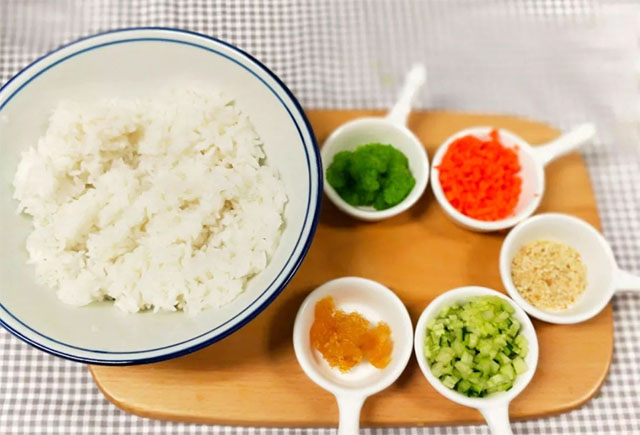
- Spread a modest layer of sushi rice over nori. The rice should support the filling, not bury it.
- Place eel and cucumber in a straight line. Keep both fillings centered so the roll closes evenly.
- Roll firmly but gently. Too much pressure can push the eel and cucumber outward; too little pressure can cause the slices to fall apart.
- Slice with a clean, damp knife. Wipe the blade between cuts if sauce builds up on it.
- Add sauce only if needed. Taste the eel first. If it is already well glazed, a second heavy coating is unnecessary.
Best use case: this method suits first-time home cooks and small foodservice batches. Limit: it is not a production specification for a large sushi factory, where portion size, packaging, shelf life, and local food rules require separate controls.
Common Unakyu Roll Mistakes and How to Avoid Them
Most disappointing rolls do not fail because of the cucumber or nori. They fail when the unakyu roll ingredient is hidden, mishandled, or overwhelmed by rice and sauce.
- Mistake: using too much rice. The roll becomes dense, and the eel flavor disappears. Use enough rice to hold the nori and filling together, but leave room for the eel to stand out.
- Mistake: treating cucumber as the main filling. Cucumber should be noticeable but secondary. If it dominates every bite, the roll tastes like a vegetable maki with a small eel accent.
- Mistake: adding sauce before tasting the eel. Prepared kabayaki often has its own glaze. Extra sauce may make the flavor too sweet or salty.
- Mistake: choosing raw eel for a quick sushi recipe. Raw eel is not a shortcut. It needs more preparation and cooking knowledge. Prepared kabayaki is the more suitable option for a simple Unakyu roll.
- Mistake: letting moisture collect inside the roll. Wet cucumber, excess sauce, or overly warm rice can soften the nori quickly. Keep cucumber dry and assemble close to serving time.
Cold food fact: the “kyu” in Unakyu does not mean a special sauce or a type of rice. It points to cucumber. That small name detail explains why cucumber is a traditional partner, even though eel remains the defining unakyu roll ingredient.
Frequently Asked Questions About Unakyu Roll Ingredients
Is eel the main unakyu roll ingredient?
Yes. Unagi is the main unakyu roll ingredient. Cucumber, sushi rice, nori, and sauce support the eel rather than define the roll. Without eel, the name Unakyu no longer accurately describes the sushi.
Can I make an Unakyu roll with canned eel?
You can make an eel-and-cucumber roll with canned eel, but the result may not have the expected kabayaki flavor, texture, or appearance. Prepared frozen unagi kabayaki is generally a better fit when you want a classic sushi-style result.
Does an Unakyu roll always contain eel sauce?
No. Sauce is common, but the eel itself is the defining unakyu roll ingredient. Some versions use the glaze already on the kabayaki eel and add no additional sauce. Others apply a small amount after slicing.
Can avocado be added to an Unakyu roll?
Yes, avocado can be added for a softer, richer style. However, it is an optional addition, not a traditional defining component. Use it when you want a fuller texture; skip it when you want the clean contrast of eel and cucumber.
What should I buy for a first homemade Unakyu roll?
Buy prepared unagi kabayaki, cucumber, sushi rice, nori, and an optional eel sauce. This short list keeps the focus on the true unakyu roll ingredient without adding unnecessary fillings. For more assembly ideas, see this Unakyu maki recipe.
Request a quote or product specification for frozen unagi kabayaki suited to your sushi menu.