


Choose Each Unakyu Roll Ingredient Carefully for Crisp Cucumber and Tighter Slices
A beautiful unakyu roll can collapse at the final cut. The usual culprit is not the eel or the rice. It is cucumber water. If your unakyu roll ingredient list includes fresh cucumber without salting and draining, that clean green crunch can quickly turn into damp rice, soft nori, and loose slices.
Unakyu maki looks simple: grilled eel, cucumber, seasoned rice, nori, and sauce. Yet each component carries moisture differently. Frozen unagi kabayaki brings rich glaze and tenderness. Sushi rice needs to stay lightly sticky, not wet. Nori needs a dry surface long enough to hold its snap. Cucumber is refreshing, but it can release liquid when cut, pressed, or held before serving.
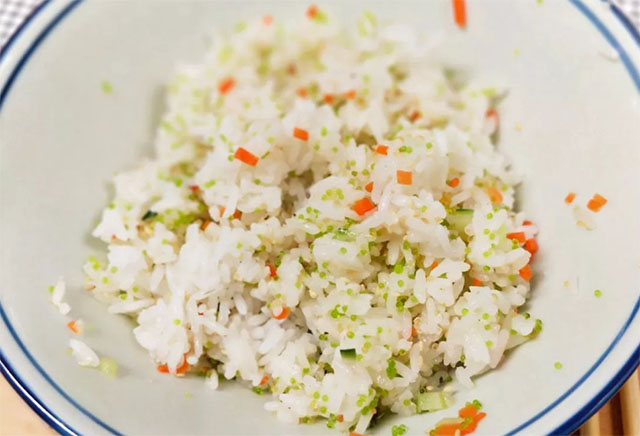
This guide focuses on the one preparation habit that makes a visible difference: salt the cucumber, drain it well, and cut it into controlled strips before rolling. It is useful for home cooks who want neat portions, but it also gives foodservice teams a practical prep standard for consistent rolls.
Check the Unakyu Roll Ingredient List Before You Start Rolling
The best conclusion is simple: prepare moist components separately and bring them together only when each one is ready. An unakyu roll ingredient should have a clear job. Eel provides savory richness, cucumber provides fresh crunch, rice provides structure, nori holds the roll, and sauce supports flavor without flooding the filling.
| Component | What to Check | Best Use | When It Does Not Apply |
|---|---|---|---|
| Unagi kabayaki | Surface should be glazed, warm, and not sitting in excess sauce | Use as the rich center of the roll | Do not use a heavily sauced portion if the roll must sit before serving |
| Cucumber | Firm flesh, drained strips, minimal wet seed core | Use for crisp contrast | Do not add raw wet cucumber directly from the cutting board |
| Sushi rice | Sticky enough to hold but not glossy with excess moisture | Spread in a thin, even layer | Do not use rice that is overly wet or compressed into a paste |
| Nori | Dry sheet with no steam exposure before rolling | Wrap and support the roll | Do not leave it under a damp towel or beside steaming rice for too long |
| Eel sauce | Coats rather than pools | Brush lightly on eel or serve separately | Do not pour sauce across the rice before rolling |
When selecting the eel portion for an unakyu roll ingredient, choose pieces that can be cut into even strips rather than torn fragments. Even filling creates even pressure during rolling. That matters because uneven pressure squeezes cucumber and pushes moisture into the rice.
For a dependable eel base, see our unagi kabayaki product page. If you are deciding whether to brush sauce on the eel or serve it alongside the roll, the eel sauce product page explains the role of unagi tare in finished dishes.
How Salting Draining and Cutting Cucumber Protects Rice and Nori
Salting, draining, and cutting are not decorative extra steps. They directly control the moisture behavior of the cucumber, which is often the most overlooked unakyu roll ingredient. The conclusion: treat cucumber as a moisture-management task, not just a garnish.
Salt draws moisture from the cucumber surface and inner flesh. Draining removes that released liquid before it reaches the rice. Cutting the cucumber into narrow, uniform strips reduces the amount of crushing required during rolling. Less crushing means less water forced out at the moment the roll is tightened.
- Salt first: Lightly salt the prepared cucumber strips. This fits when cucumber is juicy or when the rolls will wait before serving. It does not apply if you want a completely unsalted flavor profile; in that case, drain thoroughly after cutting and use the cucumber immediately.
- Drain second: Place the salted strips in a clean strainer, then gently press or blot away released liquid. This fits any roll where rice has become damp in the past. Do not squeeze aggressively, because flattened cucumber loses its fresh bite.
- Cut last for control: Use long, narrow strips instead of thick chunks. This fits standard maki because the strips distribute evenly from end to end. It does not apply to oversized hand rolls, where a slightly wider strip can be easier to bite.
Here is the food-science reason behind the method. Rice absorbs surface moisture quickly, especially where warm rice meets a wet filling. Once that happens, the nori sheet also begins to soften from the inside. The result is a roll that may look fine at first, then becomes hard to slice cleanly. A properly prepared unakyu roll ingredient keeps moisture inside the cucumber until the diner bites into it.
Cold kitchen fact: The pale center of a cucumber, where the seeds sit, is usually the wettest part. For especially neat maki, trim away the soft seed core before salting. This is most helpful with large cucumbers or cucumbers that feel heavy and watery. It is less necessary with small, firm cucumbers that have a tight seed area.
Diagnose a Watery Roll in the Right Order
Do not blame the eel first. Follow this diagnosis order for any unakyu roll ingredient problem: check cucumber, then sauce, then rice, then rolling pressure. Each symptom points to a different correction.
| Check Order | Visible Symptom | Likely Cause | Immediate Correction |
|---|---|---|---|
| First: cucumber | Clear liquid appears on the board after cutting | Raw cucumber was not salted or drained | Remove cucumber, prepare fresh drained strips, and remake the roll |
| Second: sauce | Dark sauce streaks soak into the rice | Too much sauce was added before rolling | Brush a lighter coating on eel or serve sauce separately |
| Third: rice | Rice looks glossy, heavy, or mushy | Rice carries excess moisture or was spread too thickly | Use a thinner rice layer and avoid pressing it flat |
| Fourth: pressure | Filling bulges and nori tears at the seam | Roll was squeezed too hard or overfilled | Use less filling and apply steady, moderate pressure |
This order saves ingredients. Cucumber is the most common source of hidden water, so it should be checked before changing the rice recipe or replacing good eel. When a sliced roll is wet only at one end, inspect whether cucumber strips were uneven. That often means one section had a thicker, wetter piece of the unakyu roll ingredient.
Use This Practical Preparation Sequence for Cleaner Unakyu Maki
The following sequence gives each unakyu roll ingredient a defined preparation point. It works for a quick home meal and for small-batch foodservice preparation. Its limit is holding time: once assembled, nori will naturally soften, so roll close to serving whenever possible.
- Prepare the cucumber before the rice is spread. Wash it, trim the ends, remove the wet seed center if needed, and cut long narrow strips.
- Salt and drain the strips. Allow the cucumber to release moisture, then blot it until the surface feels dry rather than slippery.
- Prepare the eel separately. Heat frozen kabayaki according to its package instructions, then cut it into consistent strips. Let excess surface sauce settle before placing it on rice.
- Lay out a dry nori sheet. Keep it away from steam and wet work surfaces. This is where a dry unakyu roll ingredient prep station pays off.
- Spread sushi rice gently. Cover the sheet evenly without packing the rice down. Leave room at the closing edge so the seam can seal.
- Place eel and cucumber in one controlled line. Avoid stacking fillings. A single even line creates a rounder roll and cleaner slices.
- Roll with steady pressure. Tighten enough to hold the filling, but stop before cucumber begins to crush.
- Cut with a clean, damp knife. Wipe the blade between cuts if rice or sauce begins to cling. This protects the shape of every slice.
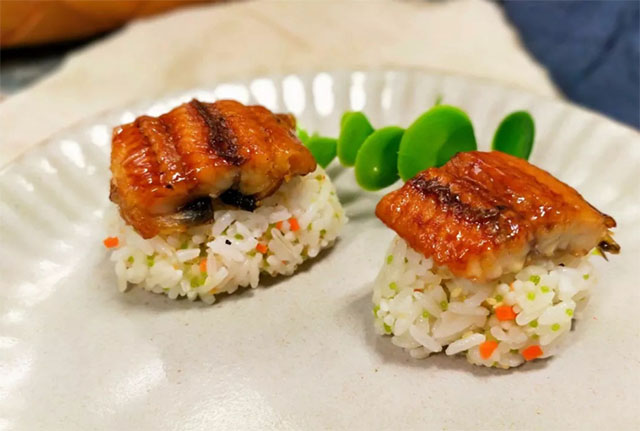
A common mistake is using cucumber directly after rinsing it. Another is preparing it early, then leaving it in its own liquid while the rest of the meal is made. Both mistakes defeat the purpose of choosing a fresh unakyu roll ingredient. Drain it, blot it, and use it promptly.
Choose Eel and Sauce That Support a Balanced Roll
Cucumber control matters most, but the other unakyu roll ingredient choices still affect texture. Select kabayaki with a stable roasted surface and cut it after heating, not while frozen. Frozen roasted eel is useful because it gives home cooks a consistent starting point without cleaning or deboning whole freshwater eel.
Eelpro Co., LTD produces frozen roasted eel on modern production lines with a four-layer soy-sauce coating process and patented low-fat roasting and deodorizing technology. The company operates under ISO 22000:2018, HACCP, HALAL certification, export food producer registration, and an SC food production license. For buyers and foodservice operators, this provides documented production controls alongside product selection.
For home cooks, the practical point is simpler: use eel that can be portioned cleanly and avoid adding extra sauce until you see the moisture level of the finished roll. A light coating belongs on the eel, not throughout the rice. For more flavor guidance, see this kabayaki sauce article.
- Choose firmer cucumber when you want a crisp bite and rolls that hold for serving.
- Choose evenly cut kabayaki when you want uniform slices and less filling displacement.
- Choose restrained sauce application when the rice and nori must stay dry.
- Choose boneless eel portions when preparing rolls for guests who expect easy, clean bites.
Serve Promptly and Know When Salted Cucumber Is Not the Fix
A salted, drained cucumber is a better unakyu roll ingredient for tidy maki, but it cannot correct every problem. If the nori is already limp before rolling, replace it. If the rice is overly wet, prepare a fresh batch. If eel sauce pools on the board, reduce the amount used inside the roll.
Handle finished sushi with basic food safety care: keep ingredients clean, avoid cross-contact with raw seafood, and follow the storage instructions on frozen eel packaging. Salted cucumber improves texture; it is not a preservation method.
For another preparation approach and filling arrangement, visit our unakyu maki recipe. If you source eel for retail, restaurant, or catering use, request an Eelpro product specification or sample recommendation for your preferred roll format.