

How to Layer Eel and Avocado for Stable Sushi Rolls
Why does your homemade roll fall apart the second you slice it? Nine times out of ten, it's the filling order, not the rice or the nori. Getting eel in sushi rolls to hold together with avocado takes a specific sequence, not a random pile of ingredients wrapped and hoped for the best.
This is a common frustration for home cooks working with frozen unagi kabayaki. The eel is soft, the avocado is slick, and the sauce wants to run everywhere. Fix the order, and the roll fixes itself.
Why Avocado and Eel Fillings Fail Without a Layering Plan
Avocado is the main saboteur in an eel roll. It's fatty, it's smooth, and it has almost zero grip on rice or nori. Add a glaze-heavy protein like unagi kabayaki right next to it, and you've got two slippery surfaces sliding against each other inside a roll that's supposed to hold a knife cut.
Here's what typically goes wrong:
- Avocado slides out when the roll is compressed, leaving gaps on one side.
- Excess eel sauce pools at the bottom of the mat, soaking the nori before it even gets rolled.
- Nori splits along the seam because the filling stack is uneven and puts pressure on one spot during rolling.
None of this is caused by bad ingredients. It's a sequencing problem — and it's fixable in one attempt once you understand which layer needs to anchor the roll.
The Correct Filling Order to Prevent Slipping, Sogginess, and Splits
This is the core fix. For an inside-out roll (rice on the outside, nori wrapping the fillings), layer in this order, working from the nori upward:
| Layer | Placement | Reason |
|---|---|---|
| 1. Nori (rough side up) | Bottom, on plastic wrap over the mat | Rough side grips rice better than the smooth side |
| 2. Rice | Thin, even layer over nori | Uneven rice thickness is the #1 cause of lopsided rolls |
| 3. Eel (kabayaki), laid flat, skin-side coordinated | Center line, running the length of the nori | Eel is your anchor — it's firmer than avocado and holds shape under pressure |
| 4. Avocado, sliced thin (2-3mm) and fanned | Directly on top of the eel, not beside it | Stacking avocado ON the eel — not next to it — stops it sliding sideways during rolling |
| 5. Eel sauce (unagi tare) | Drizzled last, in a thin line, not poured | Sauce added after fillings are set prevents it from soaking the rice from below |
Key rule: eel goes down first, avocado goes on top of the eel — never side by side. When placed side by side, the avocado has nothing to lean against and squeezes out under mat pressure. Stacked, the eel's firmer texture supports the avocado through the roll and the cut.
Step-by-Step Assembly
- Lay plastic wrap over your bamboo mat. Place nori rough-side up.
- Spread rice in a thin, even layer, leaving a 1cm border at the top edge.
- Flip the nori-rice sheet over so rice faces down onto the mat.
- Lay kabayaki eel strips in a straight line across the center — this is your structural base.
- Fan thin avocado slices directly on top of the eel strips.
- Add a thin drizzle of eel sauce along the avocado — don't overdo it, a little goes far.
- Roll firmly using the mat, applying even pressure from the bottom up, tucking on the first turn.
- Rest the roll seam-side down for 30 seconds before cutting — this lets the rice "set" against the filling.
- Use a wet, sharp knife and wipe the blade between cuts for clean slices.
Common Mistakes That Break the Roll
- Pouring sauce before rolling instead of drizzling after fillings are placed — this is the #1 cause of soggy, split nori.
- Cutting avocado too thick (over 5mm) — thick slices don't compress evenly and push out during slicing.
- Skipping the rest period before cutting — cutting immediately causes the roll to unwind mid-slice.
- Using a dry knife — rice sticks to the blade and drags the whole roll apart.
- Overfilling — more than 2 tablespoons of eel plus a quarter avocado per roll usually can't be rolled tight enough to hold.
Choosing the Right Eel Cut for Roll Stability
Not all eel cuts behave the same inside a roll. Whole kabayaki fillets need to be cut down before layering, and how you cut them affects grip and slice quality.
| Cut Style | Best For | Roll Stability |
|---|---|---|
| Strip-cut (1cm wide) | Standard inside-out rolls | High — lies flat, anchors avocado well |
| Chunk-cut | Thicker, rustic-style rolls | Medium — can create uneven bulges |
| Dicing | Mixed-filling rolls with rice or cream cheese | Low for pure eel-avocado rolls, better blended |
| 3-section cut | Nigiri or sashimi-style presentation | Not suited to rolled sushi |
For home rolling, strip-cut kabayaki gives the most reliable results — flat, even, and firm enough to hold the avocado layer without shifting.
A Cold-Chain Detail Most Home Cooks Miss
Here's a "cold knowledge" tip: frozen kabayaki eel needs a controlled thaw, not a rushed one. Thawing too fast (room temperature, or worse, warm water) breaks down the glaze and makes the eel mushy — which then behaves like avocado instead of anchoring it.
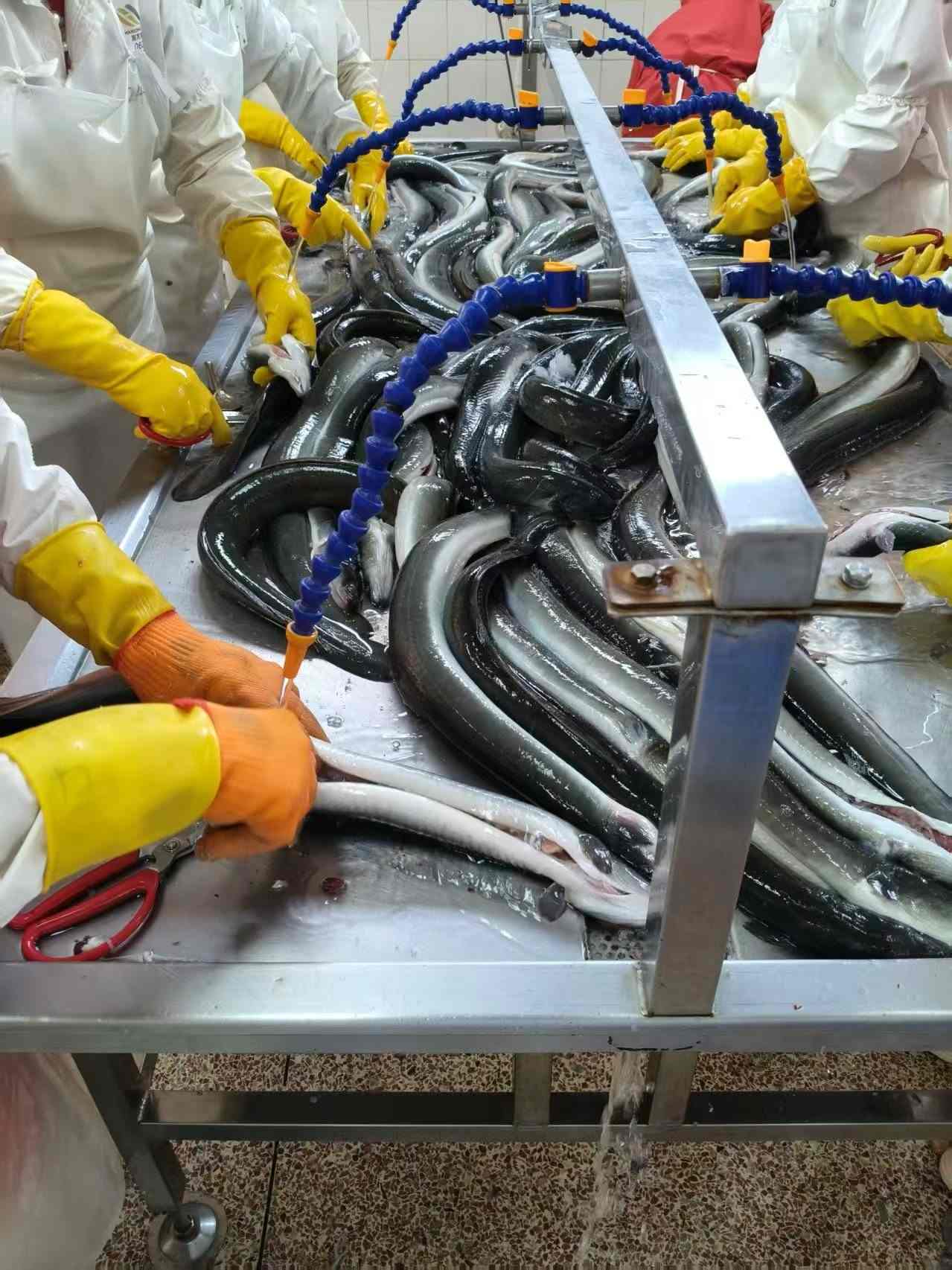
Thaw eel in the refrigerator for 8-12 hours before use. This keeps the flesh firm enough to hold a strip cut and support the avocado layer above it. Products meeting export inspection standards for markets like Japan, the US, and the EU are processed and frozen specifically to preserve this texture through the cold chain — but the final thaw step at home still matters for roll stability.
Buyer's Checklist Before You Start Rolling
- Is the eel fully thawed (refrigerator method, not room temp)?
- Is the eel cut into flat strips, not chunks or dice?
- Is the avocado sliced thin and ready to fan, not chunked?
- Is the sauce in a squeeze bottle or spoon for controlled drizzling, not a bowl for dunking?
- Is your knife wet and your cutting board clear before the roll is finished?
If you can check all five, your roll should hold through the cut without avocado sliding out or sauce soaking the nori.
For readers building out a full unagi menu at home, our guide on making unakyu maki covers cucumber-eel pairing in more detail, and the kabayaki sauce article explains why glaze consistency affects how much sauce you should actually drizzle. If your rolls keep coming out with too much or too little sauce flavor, the kabayaki sauce recipe fix walks through common flavor mistakes step by step.
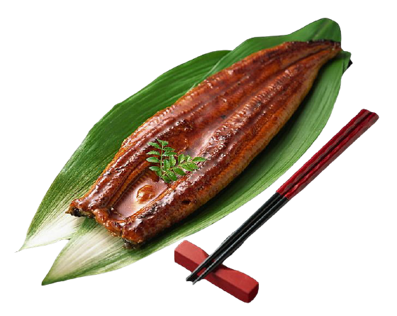
The layering principle here isn't unique to home kitchens — it follows the same logic used in Japanese makizushi preparation, where structural fillings go closest to the rice and softer, wetter ingredients sit above them.
When This Method Doesn't Apply
This layering order is built for inside-out rolls with thin avocado and standard kabayaki strips. It doesn't directly apply to:
- Hand rolls (temaki) — cone shape doesn't need the same anchoring, ingredients can be looser.
- Pressed sushi (oshizushi) — uses a mold, so slipping isn't a factor the same way.
- Rolls without avocado — if you're only using eel and cucumber, sauce placement still matters but the anchoring issue disappears.
Once you've got the layering down, the rest is practice — rice thickness, roll tension, and knife technique all come with repetition. But the filling order is the one variable that decides whether your roll survives the first cut or falls apart on the board.
Have a roll that keeps splitting even with this order? Drop your setup in the comments — eel cut, avocado thickness, sauce amount — and we'll help you troubleshoot it. For more on selecting the right eel cut before you even start rolling, check our notes on unagi kabayaki sourcing.