





Anago vs Unagi: What Foodservice Buyers Need to Know
For foodservice importers and distributors, selecting the right eel is a critical menu decision. While both are staples in Japanese cuisine, the choice between anago vs unagi directly impacts flavor profile, texture, preparation cost, and ultimately, customer satisfaction. Misunderstanding their core differences can lead to sourcing a product that doesn't fit your culinary application or price point. This guide breaks down the technical distinctions to help you make an informed purchasing decision for your market.
As a quality assurance specialist, I've guided dozens of overseas clients through import compliance for eel products. The most common questions always revolve around these two varieties. Unagi, the freshwater eel, is known for its rich, bold flavor, while anago, the saltwater conger eel, offers a much lighter, softer experience. Let's examine the specific attributes that define them.
Key Differences: A Technical Breakdown for Menu Planning
Choosing the wrong eel can be a costly mistake. Serving delicate anago with a heavy sauce can overwhelm it, while using unagi in a light tempura might be too rich for the dish. This technical comparison table outlines the critical factors foodservice buyers must consider when planning menus and sourcing products.
| Attribute | Anago (Saltwater Conger Eel) | Unagi (Freshwater Eel) |
|---|---|---|
| Habitat & Species | Saltwater. Primarily the white-spotted conger (Conger myriaster). Typically wild-caught. | Freshwater. Primarily the Japanese eel (Anguilla japonica). Mostly farm-raised in controlled environments. |
| Fat Content | Lower fat content. This results in a leaner profile. | Significantly higher fat content. This richness is a key characteristic. |
| Texture | Very soft, delicate, and fluffy. Can fall apart easily if not handled correctly. Has a fine, almost airy texture. | Firm, meaty, and slightly chewy. The higher fat content gives it a succulent, satisfying mouthfeel that holds its shape well. |
| Flavor Profile | Subtle, light, and naturally sweet. Lacks the strong "eel" flavor some associate with unagi. | Rich, bold, and savory with a distinct umami depth. The flavor is robust enough to stand up to strong sauces. |
| Standard Japanese Preparations | Often simmered (nitsume) and served with a light, sweet sauce. A popular choice for high-end sushi (nigiri) and eel tempura where its delicate texture can shine. | Almost always grilled (kabayaki) over charcoal and lacquered with a thick, sweet-savory soy-based sauce (tare). The standard for unadon (eel rice bowls) and robust eel sushi rolls. |
| Foodservice Application | Best for delicate applications where the eel is the star. Suitable for fine-dining Japanese restaurants and sushi bars. | Versatile for a wide range of foodservice channels, from quick-service restaurants to catering chains. Its firm texture makes it ideal for pre-portioned, ready-to-heat products. |
Sourcing and Processing: How Production Affects Final Product Quality
The journey from water to plate involves critical processing steps that define the final quality of the eel. Since unagi is primarily farm-raised, suppliers have significant control over the consistency and safety of the raw material. At Eelpro, we manage this from the very beginning.
Our supply chain is supported by approximately 20 customs-registered eel farming bases covering over 2,150 mu. This provides full-chain traceability, from farm registration and targeted sampling to final shipment. This level of control is essential for meeting the stringent import standards of markets like Japan, the US, and the European Union, particularly concerning veterinary drug residues and microbiological indicators.
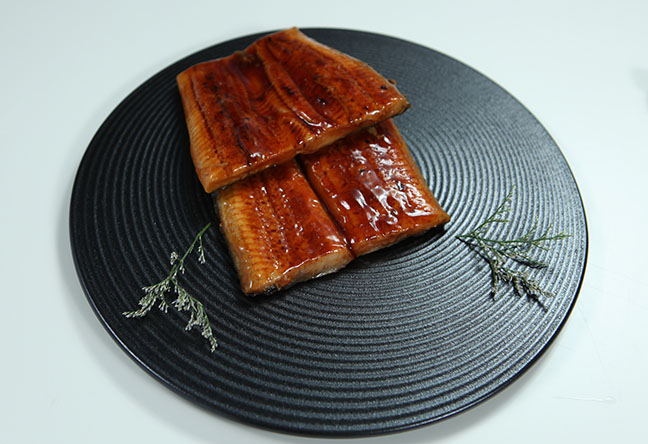
The roasting process is where unagi's flavor is truly developed. Our export-grade roasting line applies four precise layers of soy sauce at temperature-controlled steps. This patented technique, combined with our deodorizing equipment, ensures a rich flavor without any muddy or off-putting notes. This standardized process creates a consistent unagi kabayaki product that foodservice clients in Japan, Germany, and Australia rely on. The high-fat nature of unagi is perfectly suited for this intense grilling, allowing the skin to crisp while the flesh remains tender and moist.
For large-scale foodservice operations, processing directly impacts back-of-house efficiency. Our products are boneless and deboned, with options for custom cutting like shredding, dicing, and sushi slices. This standardization reduces labor costs and ensures portion control, a key advantage for catering chains and wholesale clients.
A Buyer's Checklist: Choosing the Right Eel for Your Market
Before placing an order for frozen eel, walk through these questions to ensure you're sourcing the right product for your business needs. This checklist helps align the eel's characteristics with your menu, operational capacity, and customer expectations.
- What is your primary menu application?
If you're serving classic unadon or unaju rice bowls, grilled unagi kabayaki is the industry standard. Its robust texture and flavor are essential. For high-end, delicate nigiri sushi where subtlety is key, anago is the traditional choice. For fusion rolls or appetizers, the firm texture of a high-quality unagi is more versatile. - What is your target price point and margin?
Anago is often perceived as a more seasonal or specialty item and can sometimes be less expensive than high-quality farmed unagi. However, unagi offers greater consistency in supply and pricing, which is a major advantage for large-volume buyers. Our 4,000-ton annual production capacity ensures a stable supply chain for our partners. - How important is preparation consistency?
Farmed unagi, especially from a certified supplier, offers exceptional consistency in size, fat content, and flavor. This is a significant benefit for chain restaurants. Wild-caught anago can vary more in size and texture. Pre-cooked and frozen unagi kabayaki offers a ready-to-heat solution that guarantees consistency across all your locations. - What is your customers' flavor expectation?
In many Western markets like the US and Poland, customers are familiar with the rich, sweet-and-savory taste of unagi kabayaki and its accompanying eel sauce. This flavor profile is highly accessible. Anago's lighter, more nuanced flavor may appeal more to connoisseurs of traditional Japanese cuisine. - Do you require specific certifications?
For export, certifications are non-negotiable. Ensure your supplier holds internationally recognized credentials. Eelpro is certified for ISO 22000:2018, HACCP, and HALAL, and our facility holds an Export Food Producer Registration Certificate. This documentation is critical for smooth customs clearance and market access.
Compliance and Food Safety: Mitigating Import Risks
Sourcing seafood internationally carries inherent risks, from food safety failures to customs rejections. A reliable supplier mitigates these risks through a documented, verifiable quality management system. Our entire operation is built around export compliance.
We apply the same quality standards required for the Japanese market to all our products, including those for domestic sale. This begins with raw material control at our certified farming bases and continues through every processing step. Critical control points, such as metal detectors, are monitored continuously. Our in-house professional eel lab conducts rigorous testing for microbiological indicators and veterinary drug residues to ensure our products meet US, EU, and Japanese food inspection standards.
Our 1,000-ton cold storage facility is another key part of our food safety system. It ensures that from the moment the product is frozen until it is shipped, the cold chain is never broken. This maintains product integrity, prevents spoilage, and guarantees the quality our clients in Indonesia and other Southeast Asian markets expect.
Choosing a supplier with a proven track record and the right certifications is the most effective way to protect your business. It avoids costly delays, product recalls, and damage to your brand's reputation.
Understanding the fundamental differences between anago and unagi is the first step toward building a successful and profitable eel menu. While anago holds a special place in traditional cuisine, the consistency, versatility, and rich flavor of high-quality unagi kabayaki make it the preferred choice for most modern foodservice applications worldwide.
To discuss your specific product needs or request a specification sheet for our frozen unagi kabayaki, please contact our export team.


 WhatsApp
 sales@chinaeels.com
 +8619937922411