


Are Gulper Eels Dangerous to Humans Despite Their Giant Mouths?
A shadow drifts through black water. Its mouth opens wider than its body seems able to support. It looks like something built for nightmares. So, are gulper eels dangerous to humans, or are they simply one of the ocean’s most misunderstood animals?
The short answer is no. Gulper eels look startling because of their oversized mouths, whip-like tails, and deep-sea lifestyle, but they are not known as aggressive animals toward people. Their appearance is designed for survival in dark water, not for attacking humans.
That distinction matters. A gulper eel is very different from the freshwater eel used for Japanese unagi dishes, including unagi kabayaki. One is a rarely seen deep-sea predator; the other is a food fish raised and processed for the table. Confusing the two can lead to bad assumptions about both safety and eating quality.
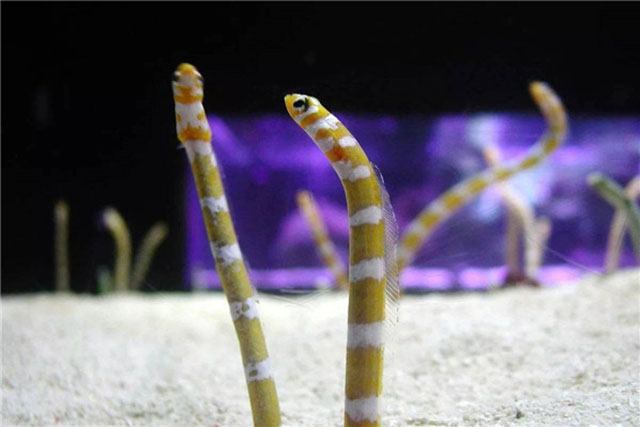
Why Gulper Eels Look So Threatening
When people ask, “are gulper eels dangerous to humans?” they are usually reacting to the mouth first. The gulper eel, also called a pelican eel, has a mouth that can expand dramatically. It can look less like an eel and more like a floating net.
The large mouth is not a weapon made for fighting large animals. It is a feeding adaptation. In deep water, food can be scarce and unpredictable. A gulper eel benefits from being able to take in prey when an opportunity appears.
The animal’s long tail adds to the strange effect. Some species have a light-producing organ near the tail tip, which may help attract prey in the dark. This is part of the world of deep-sea adaptation, where animals often develop unusual body shapes because sunlight, warm water, and frequent meals are not available.
| Feature | What It Looks Like | What It Is More Likely Used For | Human Risk Meaning |
|---|---|---|---|
| Expandable mouth | Huge, pouch-like opening | Capturing available prey in low-food environments | Looks alarming but is not evidence of human hunting behavior |
| Long tail | Thin, trailing shape | Movement and, in some species, light signaling | Not a defensive stinger or striking weapon |
| Dark coloration | Black or very dark body | Camouflage in low-light water | Helps concealment, not aggression |
| Deep-water habitat | Far below normal swimming depth | Living where food and light are limited | Creates a practical barrier between eels and people |
The conclusion is simple: a frightening shape is not the same as dangerous behavior. If you are judging animal risk, start with habitat, feeding behavior, and documented interactions rather than appearance alone.
Boundary Between People and Gulper Eels Is the Main Safety Factor
The clearest answer to are gulper eels dangerous to humans comes from where they live. Gulper eels are associated with waters roughly 500 to 10,000 feet below the surface. That is far beyond normal recreational diving conditions and far from beaches, reefs, fishing piers, or shallow-water swimming areas.
This habitat boundary makes human encounters effectively impossible for ordinary swimmers, snorkelers, and most divers. A person enjoying the sea near shore is not sharing space with a gulper eel in any realistic sense.
They are also not known for non-aggressive attacks on people. Gulper eels are adapted to finding food in darkness, not defending territory from humans or pursuing large mammals. Their likely response to a much larger unfamiliar animal would be avoidance, not confrontation.
- For swimmers: There is no practical exposure route. Gulper eels do not live in normal swimming zones.
- For recreational divers: The depth range is the limiting factor. Standard leisure diving does not place people in gulper eel habitat.
- For deep-sea researchers: Observation may occur through specialized equipment, submersibles, or remotely operated vehicles. This is a research scenario, not a casual wildlife encounter.
- For fishers: A deep-water catch may be possible in some regions, but handling any unfamiliar marine animal should be avoided unless proper identification and handling methods are available.
There is one limit to keep in mind. “Effectively impossible” does not mean that a trained deep-sea expedition can never observe one. It means that the normal situations people worry about—swimming, surfing, snorkeling, or eating at a seafood restaurant—do not put them in contact with gulper eels.
So, are gulper eels dangerous to humans in the way people often mean? No. They are not a beach hazard, a diving hazard for ordinary visitors, or a food-chain concern for consumers buying farmed freshwater unagi.
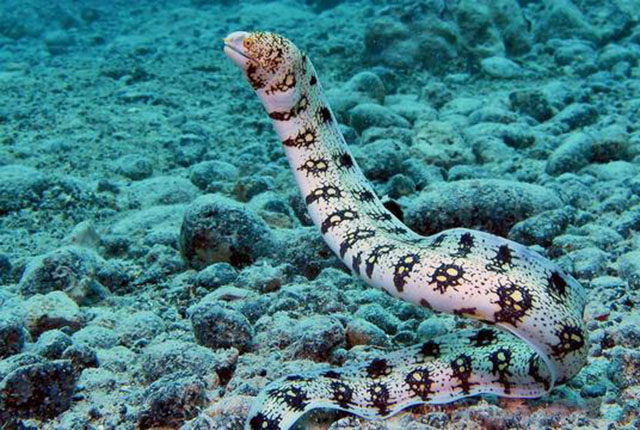
Frequently Asked Questions About Gulper Eel Safety
Can a gulper eel bite a human?
A gulper eel has a mouth and teeth, so physically it can bite prey. But asking whether it can bite is different from asking whether it poses a realistic biting danger. Are gulper eels dangerous to humans through attacks or bites? There is no normal encounter setting where that concern applies.
The right conclusion is that its mouth is a feeding tool, not proof of a threat to people. This answer does not apply to careless handling of any wild animal brought aboard a vessel. If an unknown eel is caught, do not grab it by hand.
Do gulper eels chase humans?
No known behavior suggests that gulper eels chase people. They occupy deep, dark water and feed on prey available in that environment. Their body design supports a life of opportunistic feeding rather than pursuit of large animals.
For a viewer watching dramatic underwater footage, the useful rule is this: a wide mouth does not indicate hunting behavior toward humans. In this case, the setting and animal scale matter more than the visual shock.
Are gulper eels venomous or poisonous?
Gulper eels are not generally described as venomous animals. They do not have the well-known venom-delivery structures associated with some marine fish. They are also not a familiar food item, so consumers should not treat them as an edible substitute for freshwater eel.
This is where the question “are gulper eels dangerous to humans?” needs a careful boundary. The animal itself is not a routine human threat, but that does not make an unidentified wild catch safe to eat. Wild seafood requires correct species identification, legal sourcing, and proper food-safety handling.
Could one swallow a person?
No. The oversized mouth creates that impression in photographs, especially when the animal is seen against a dark background. Yet gulper eels are not human-sized predators. Their expandable mouths help them manage prey in a food-limited environment; they are not built to consume people.
That is the cold fact behind the scary image: a mouth can be very large relative to an animal’s body without making the animal dangerous to a human.
Cold Fact About the Famous Oversized Mouth
Here is a useful cold fact: the gulper eel’s famous mouth may be expanded even when it is not actively eating. Images of that open pouch are often treated as proof that the animal is always ready to attack. They are not.
The mouth is more like a flexible collection tool. Deep water does not offer regular meals, so an animal that can take advantage of a sudden feeding chance has an advantage. This helps answer are gulper eels dangerous to humans with a more accurate frame: the mouth is about survival under scarcity, not aggression.
Do not make the common mistake of comparing every eel to a movie monster. Eels are a broad group with very different habitats, sizes, diets, and food uses. A deep-water gulper eel should not be judged by the standards used for freshwater unagi, and freshwater unagi should not be judged by the appearance of a gulper eel.
Avoid These Mistakes When Comparing Gulper Eels With Food Eels
For seafood lovers, the word “eel” can create confusion at the market, on a menu, or while watching ocean documentaries. Use the following checks before drawing a conclusion.
- Mistake: assuming all eels live in the ocean depths. Freshwater eels used for unagi are different from deep-sea gulper eels. Check the species and supply source before making a safety judgment.
- Mistake: treating a huge mouth as proof of danger. Consider the animal’s habitat and feeding ecology. For gulper eels, 500 to 10,000 feet of depth is more informative than a dramatic photograph.
- Mistake: assuming a wild marine eel is food-grade. Food products need traceable farming or legal catch records, controlled processing, and cold-chain handling. A strange-looking animal caught from deep water is not automatically a culinary ingredient.
- Mistake: confusing kabayaki with a wild eel species. Kabayaki refers to a prepared eel product style involving roasting and sauce, not a gulper eel species.
- Mistake: ignoring preparation details. Ready-to-heat eel products reduce the need for home cleaning, skinning, and deboning. If cooking raw eel, use reliable handling guidance such as this how to cook eel resource.
For buyers and home cooks, species identification is the first decision point. The conclusion is not that all eel is risky or all eel is the same. The conclusion is that buying a properly identified, processed product is a different activity from encountering an unusual deep-sea animal.
How to Choose Safe Eel Products Instead of Guessing From Appearance
If your interest in this question comes from food rather than wildlife, focus on product controls instead of scary anatomy. Are gulper eels dangerous to humans as a seafood menu concern? No, because gulper eels are not the standard source for commercial unagi products. Still, choosing food-grade eel correctly matters.
Eelpro Co., LTD supplies freshwater eel products under ISO 22000:2018, HACCP, and HALAL systems, with export food producer registration and an SC food production license. The company applies traceability controls from registered farming bases through processing and shipment. This is relevant for buyers comparing supply-chain documentation, not for identifying gulper eels in the sea.
| Buyer Check | What to Ask For | Why It Matters | When It Does Not Apply |
|---|---|---|---|
| Species and product identity | Confirm freshwater unagi, cut style, and packaging format | Prevents confusion between food eel and unrelated deep-sea species | Not needed when only researching marine wildlife |
| Food-safety system | Ask about HACCP and ISO 22000:2018 controls | Supports supplier evaluation for processed eel | Does not determine wildlife encounter safety |
| Traceability | Request farm-to-shipment documentation where required | Helps importers manage sourcing and compliance checks | Not a substitute for local import rules |
| Cold-chain capacity | Confirm storage and shipment requirements | Protects frozen product quality after processing | Does not apply to observing live gulper eels |
For example, a restaurant buyer selecting frozen kabayaki should compare portion format, sauce preference, certification needs, and cold-chain arrangements. A marine-life reader worried about an oversized mouth should compare depth, behavior, and likelihood of contact. These are completely different decisions.
Those exploring prepared eel can also compare serving ideas with an eel rice bowl toppings guide or learn how sauce changes the finished flavor through this kabeyaki sauce article.
Final Safety Answer for Curious Ocean Readers
So, are gulper eels dangerous to humans? No, not in any ordinary real-world situation. Their intimidating mouths are feeding adaptations, their usual habitat sits far below human recreation zones, and their behavior is not known for aggression toward people.
The best way to avoid misinformation is to separate image from evidence. A gulper eel may look terrifying on screen. In practice, it is a distant deep-sea animal, not a threat waiting below a swimming beach.
For frozen unagi kabayaki specifications, traceability details, or export-order advice, contact Eelpro Co., LTD for a product quote.